Algarve Winter Long Stay Guide
A month or six weeks in the Algarve in winter: real temperatures, daylight, what stays open, the 90-day rule, insurance and where to stay.
November 26, 2026 • 6 min read
Algarve Winter Long Stay Guide
Algarve in Winter at a Glance
What Is the Weather Really Like?
Days are mild and often sunny, nights are cool. The climate normals for Faro from Portugal's weather institute, IPMA, give average highs of 17.0 °C in December, 16.1 °C in January and 16.9 °C in February, with lows between about 8 and 10 °C. That is shirt-sleeve weather at lunchtime on a sunny terrace and a sweater in the evening. Rain comes in spells, mostly between November and February, followed by clear days.
Indoor comfort matters more than the weather. Many Algarve homes and older apartments were built for summer and have little insulation or central heating. Ask whether your accommodation has heating or air conditioning with a heat mode, and pack warm layers for the evenings.
How Much Daylight Is There?
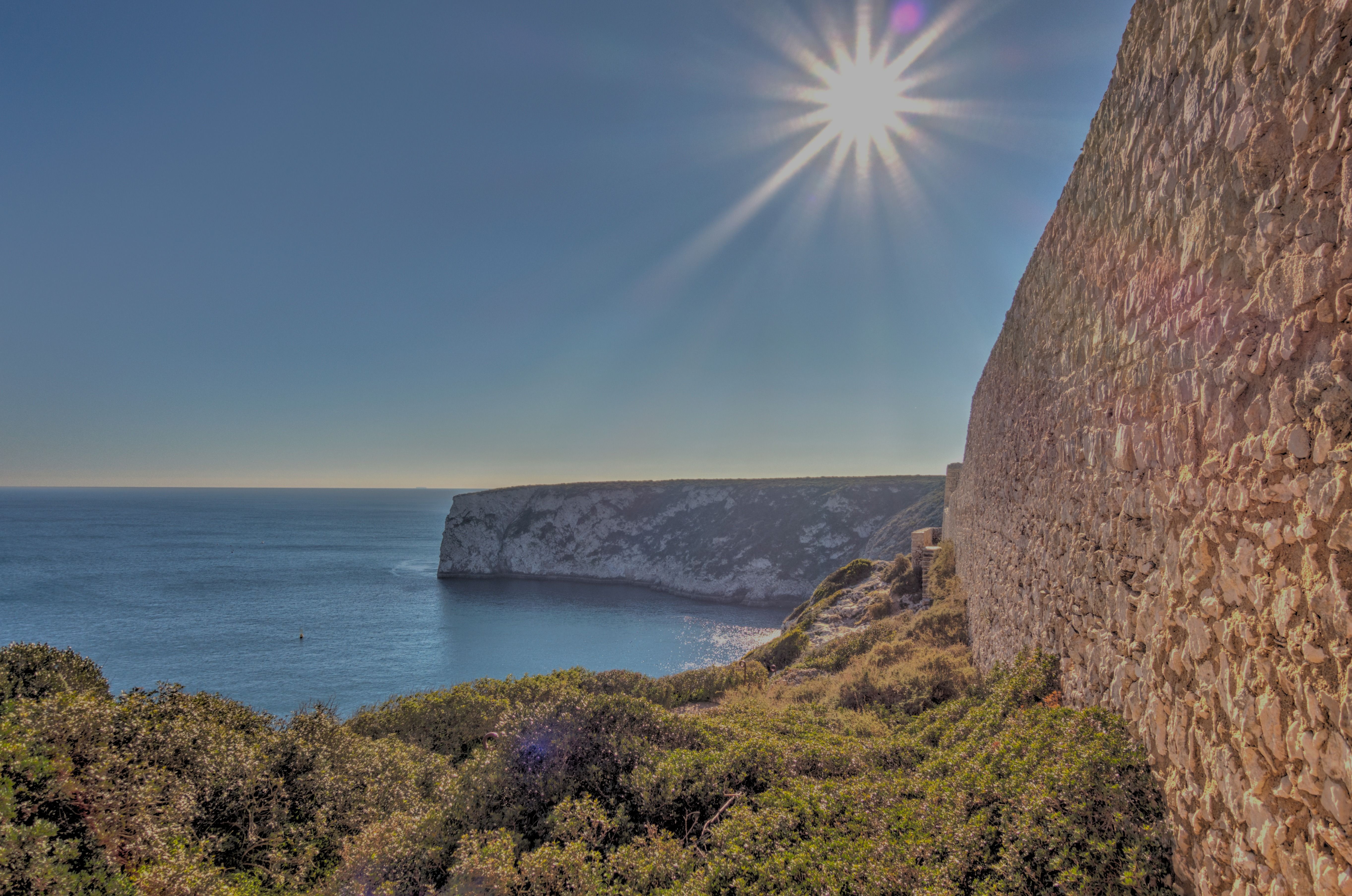
About 9 hours 40 minutes around the winter solstice, rising to roughly 11 hours 20 minutes by the end of February. Mornings start late in December, so plan walks and excursions for late morning and early afternoon, when the light and warmth are best.
One Month or Six Weeks?
A month gives you time to settle in, find a favorite café and see the region at an easy pace. Six weeks lets you pass the low point of winter and stay into the almond blossom season in late January and February. Both fit within the Schengen rule, which allows US citizens up to 90 days in any 180-day period without a visa. If you want to stay longer than 90 days, you need a Portuguese national visa arranged before you travel.
Where Should You Base Yourself?
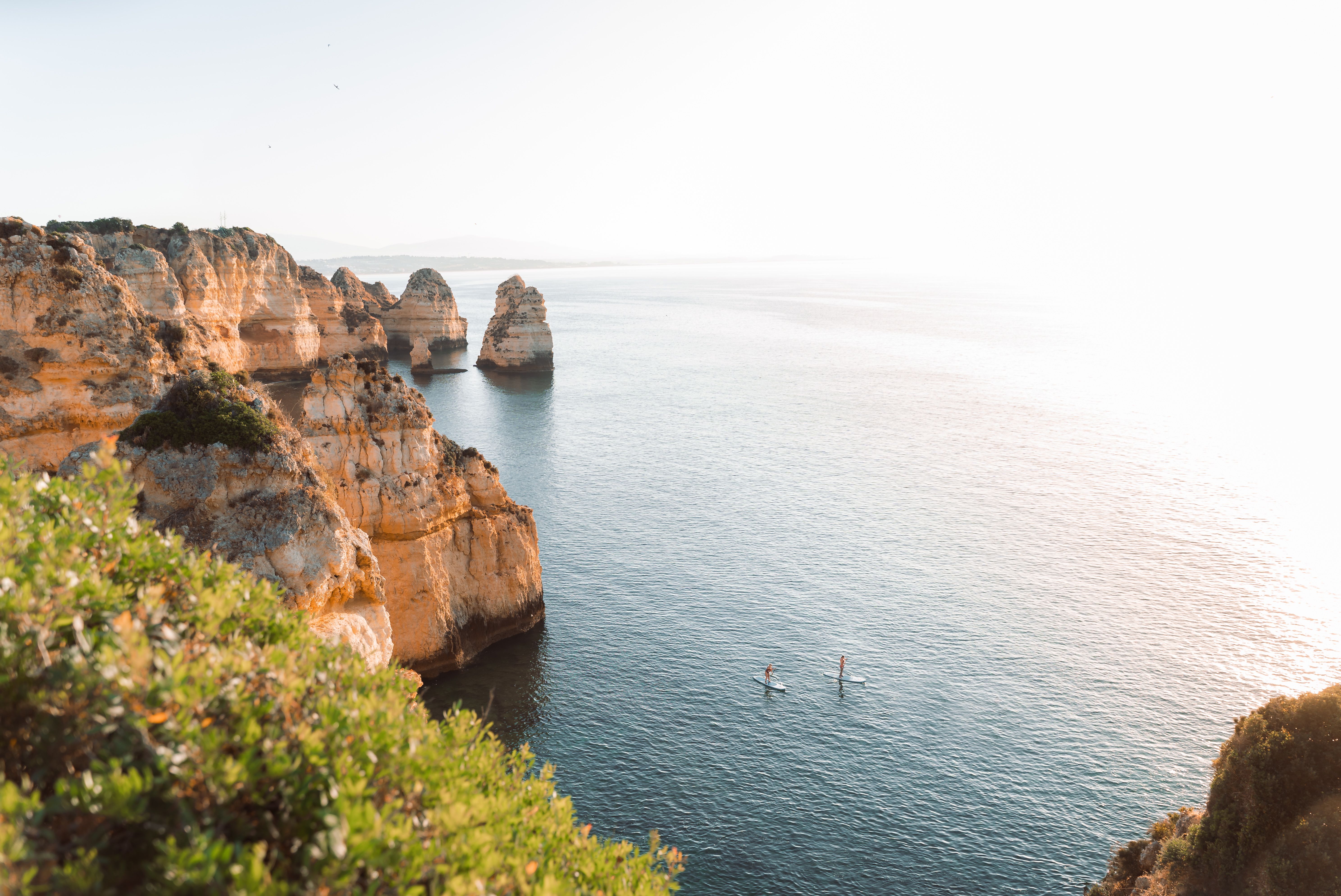
Choose a town where locals live all year rather than a resort built only for summer. In the western Algarve, Lagos has a walled old town, a marina, cliffs at Ponta da Piedade and plenty open in winter. Carvoeiro is smaller and quieter, set above a cove. In the east, Tavira is a low-rise town on a river with easy access to the Ria Formosa lagoon. Faro has the airport, the most services and train links. A car widens your choice; without one, stay in a town center close to shops and buses.
What Is Open in Winter?
Supermarkets, pharmacies, health centers, markets, golf courses and most town restaurants keep running. Some beach bars, water parks and seasonal hotels close between November and March, and boat trips run less often, depending on the sea. Village markets carry on through winter; the Saturday market in Loulé is one of the best known in the region. Christmas and New Year bring lights, concerts and fireworks to the larger towns.
How Should You Budget Your Days?
Long stays are cheaper per night than short ones, and cooking some meals in your apartment keeps daily spending low. Lunch is the main meal in Portugal, and many restaurants offer a set lunch, the prato do dia, which is a good-value way to eat out. Local markets and supermarkets are well stocked, and fresh fish, fruit and vegetables are part of everyday shopping. Mix free days of walking and beach strolls with a few paid outings each week.
What About Health Insurance?
Medicare generally does not cover medical care outside the US. For a month or more abroad, buy travel medical insurance that covers treatment in Portugal, evacuation and pre-existing conditions if you have any. Bring enough prescription medicine for the whole stay plus a copy of the prescriptions with generic names. Pharmacies in Portugal are well stocked and pharmacists can advise on minor problems.
Who Is an Algarve Winter Stay For?
A good fit if:
- You want to swap a northern winter for mild days and coastal walks
- You are happy with a slower rhythm and some cooking at home
- You can travel for four to six weeks between December and March
Maybe not if:
- You want beach weather for swimming
- You need lively nightlife every evening
- Cool evenings indoors bother you and you cannot confirm heating in advance



