Évora and the Alentejo: Travel Guide
Évora and the Alentejo: what to see, getting there from Lisbon, how many days, wine, villages, dark skies and the 2027 Capital of Culture.
January 6, 2026 • 6 min read
Évora and the Alentejo: Travel Guide
Évora and the Alentejo at a Glance
What to See in Évora
Évora's historic center, inside its old walls, has been a UNESCO World Heritage Site since 1986. It is compact and easy to explore on foot in a day.
The Roman Temple
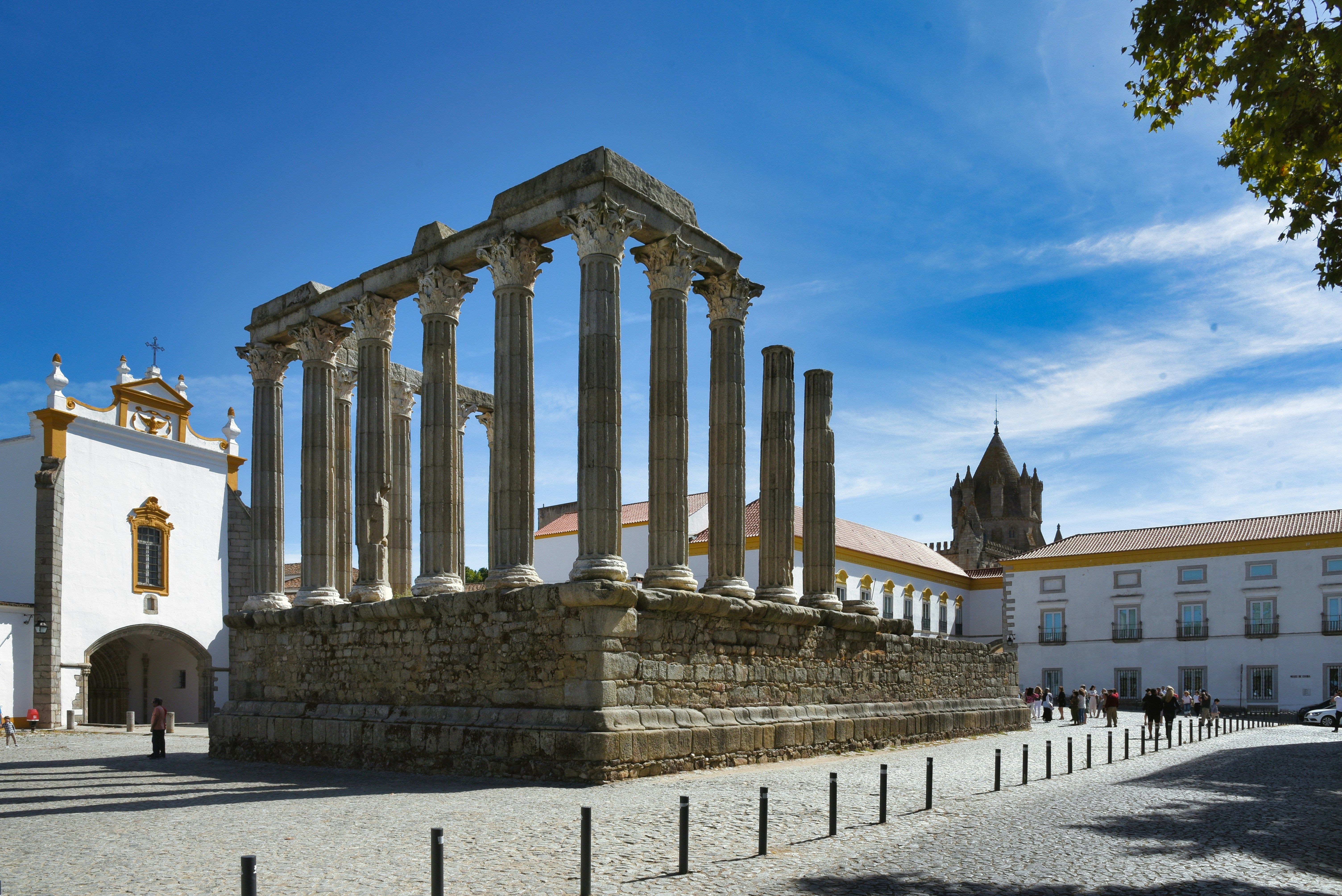
Built in the 1st century CE, the Roman Temple is the city's symbol, with its granite columns standing in the old upper town. It is often called the Temple of Diana, but there is no archaeological evidence for that name, and it was most likely dedicated to the Emperor Augustus.
Évora Cathedral
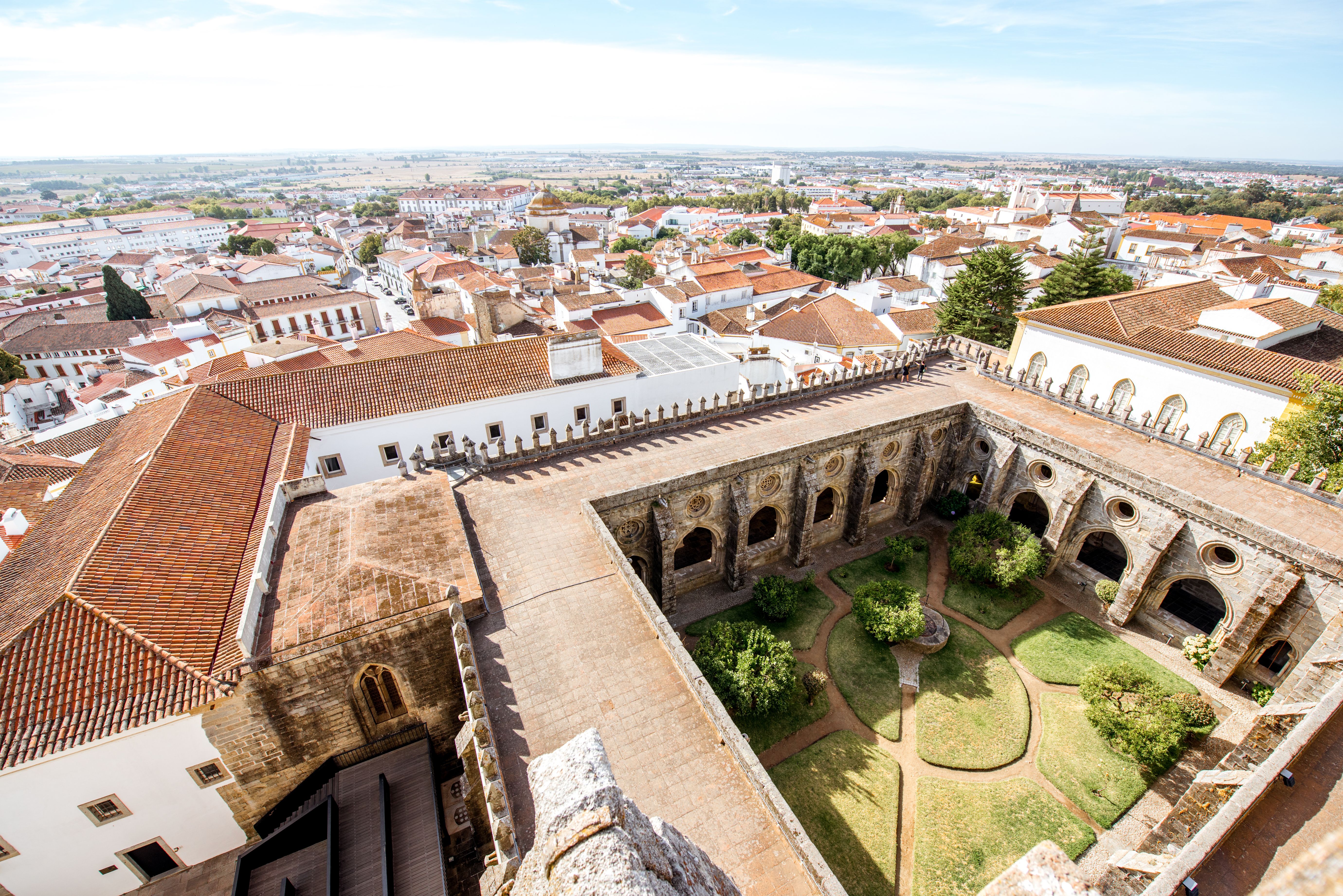
Begun around 1186 and completed in 1250, the Sé de Évora is the largest medieval cathedral in Portugal. Climb to the roof for views over the city and the plains around it.
The Chapel of Bones
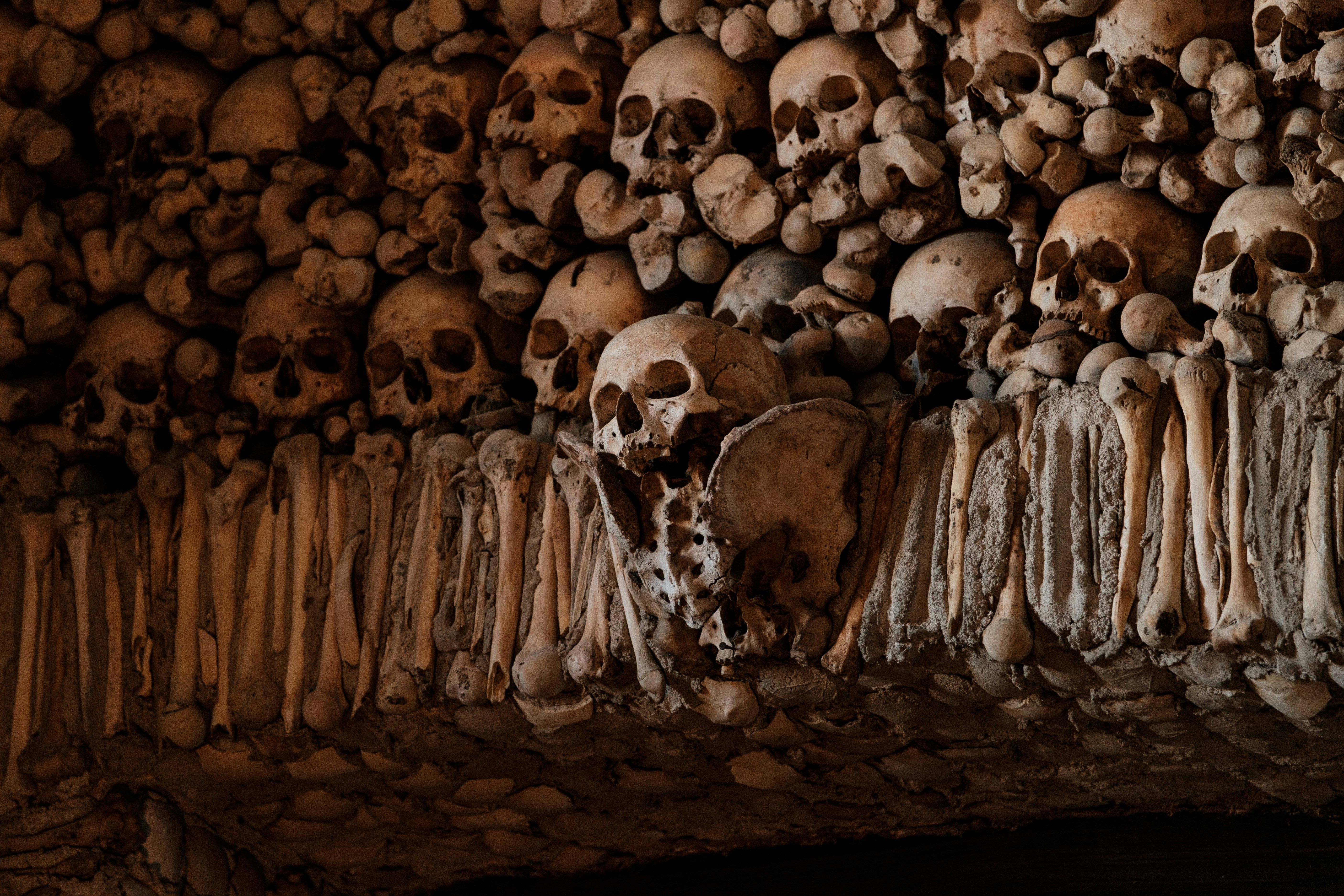
Inside the Church of São Francisco, the Capela dos Ossos was built by Franciscan monks in the late 16th century and is lined with the bones and skulls of 5,000 or more people. The inscription above the door reads "Nós ossos que aqui estamos, pelos vossos esperamos": we, the bones that are here, await yours.
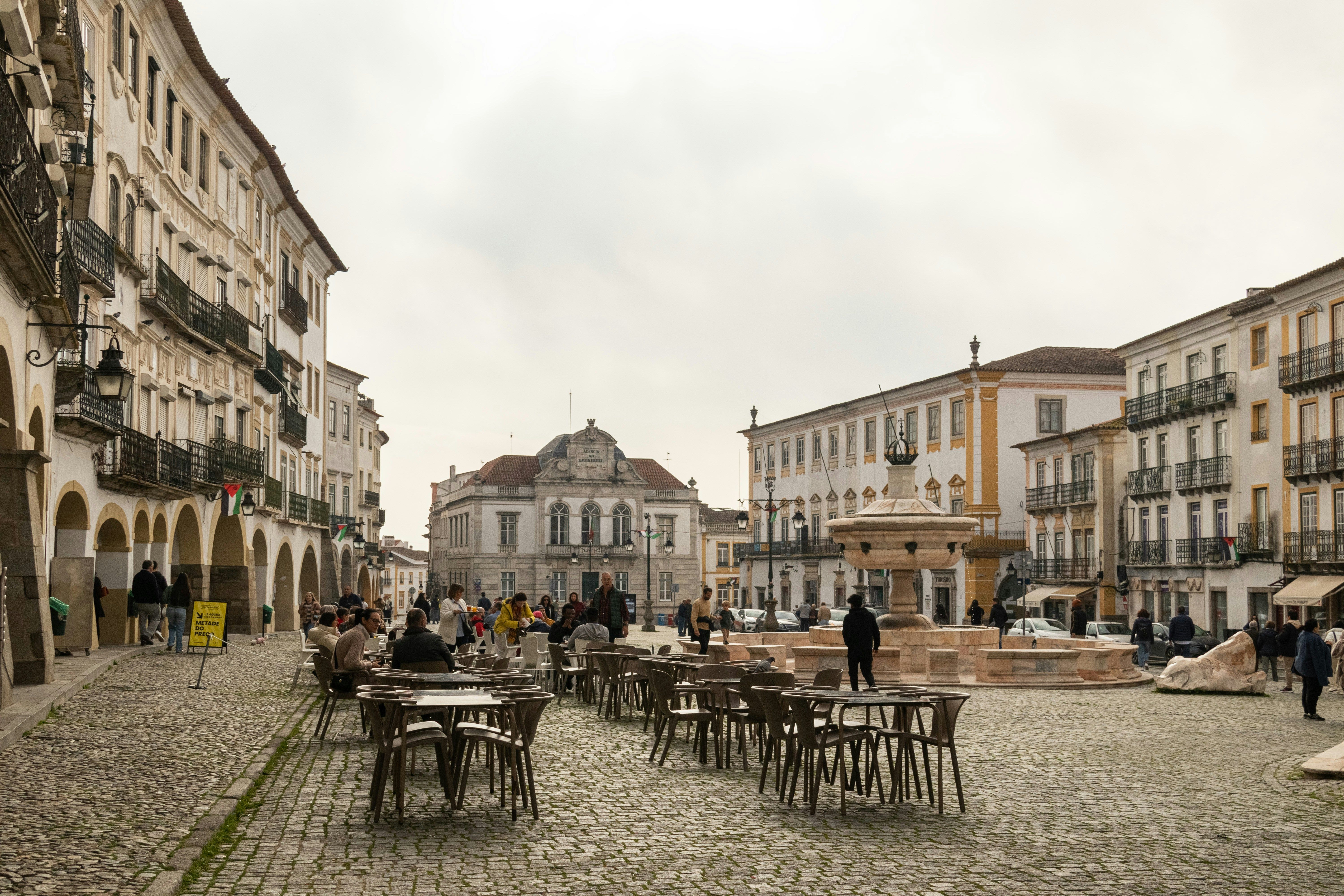
Praça do Giraldo and the Old Town
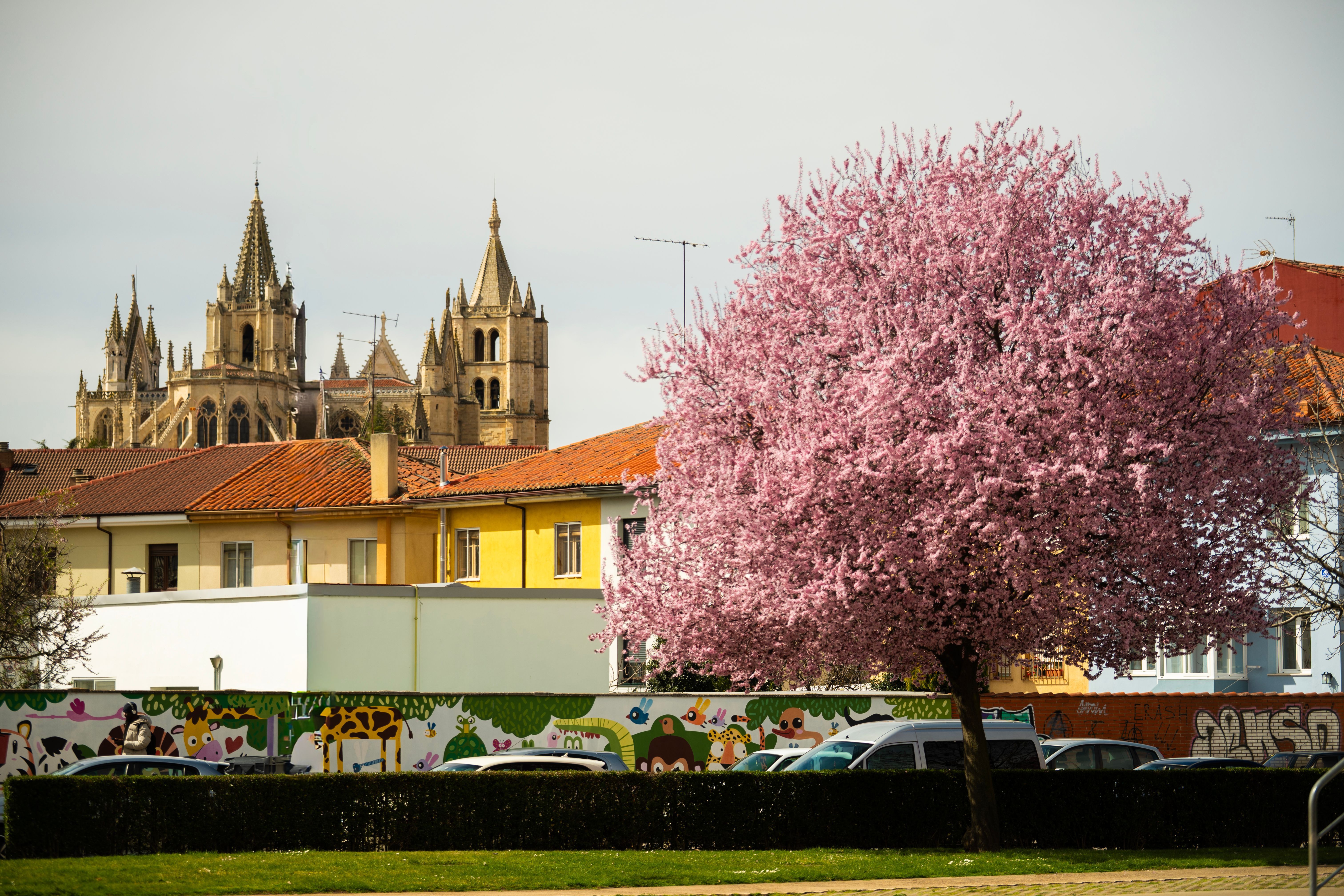
The main square, Praça do Giraldo, is the place to start, with cafés and narrow streets leading up to the temple and the cathedral. Wander the whitewashed lanes, the old university and the city walls.
Beyond Évora: The Best of the Alentejo
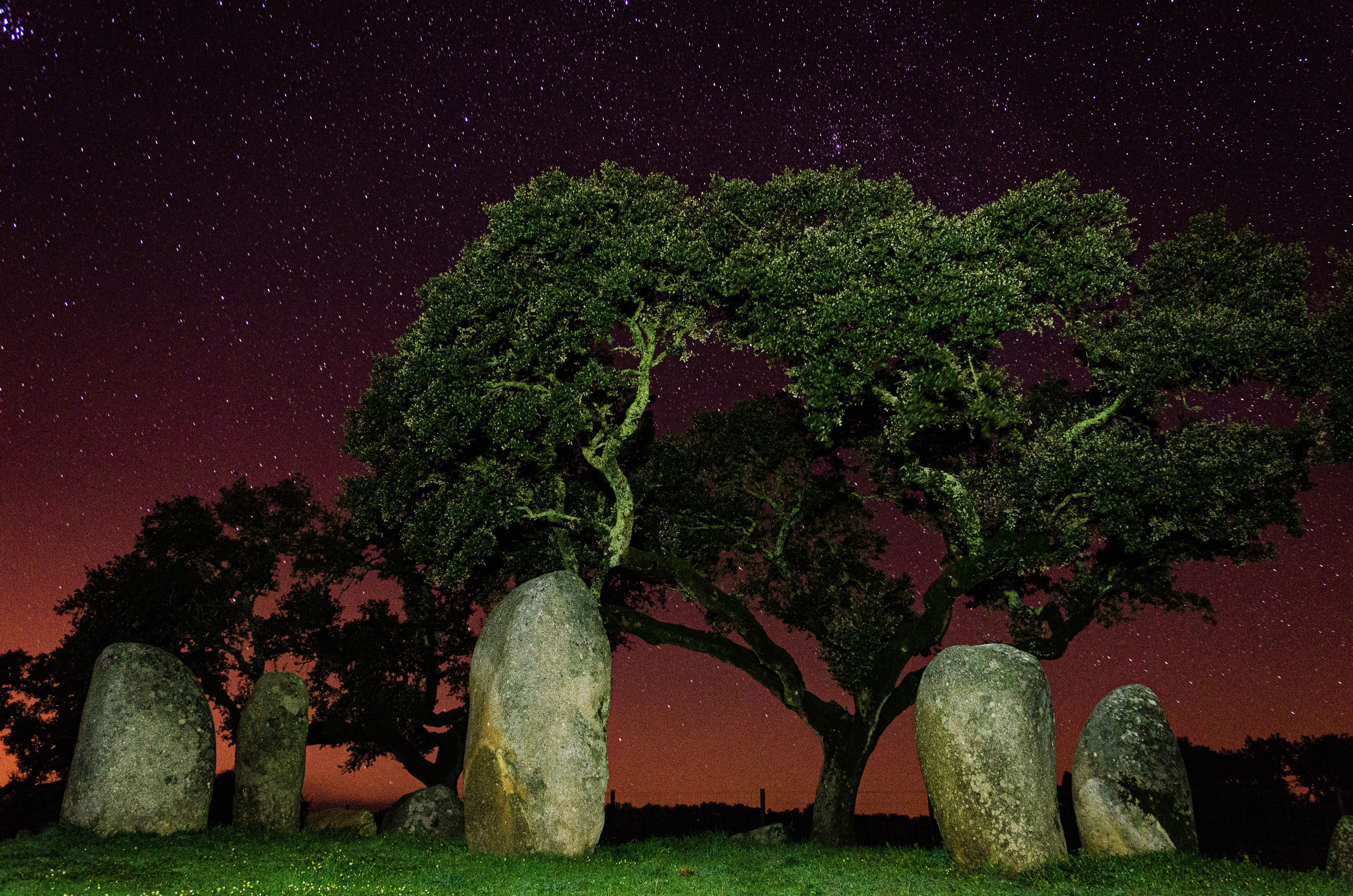
Almendres Cromlech
West of Évora, the Almendres Cromlech has about 95 granite standing stones, built from around 6000 BC, and is the largest group of structured menhirs in the Iberian Peninsula. It is easiest to reach by car or on a tour.
Monsaraz and Alqueva
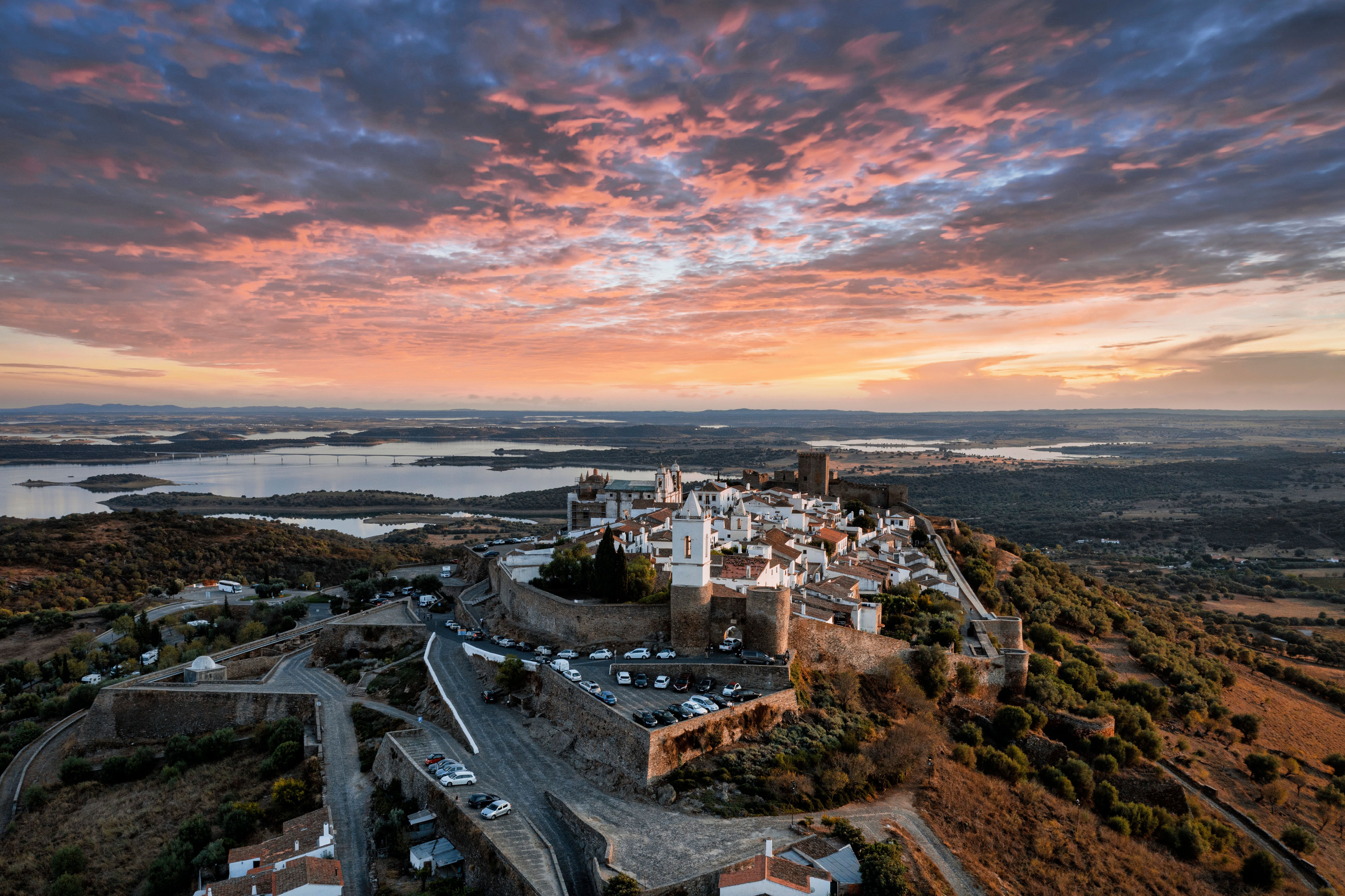
The walled hilltop village of Monsaraz looks over the Alqueva reservoir. Around the lake, Dark Sky Alqueva covers about 10,000 km² and became the world's first Starlight Tourism Destination in 2011, so it is one of the best places in Europe for stargazing.
Elvas and Marvão
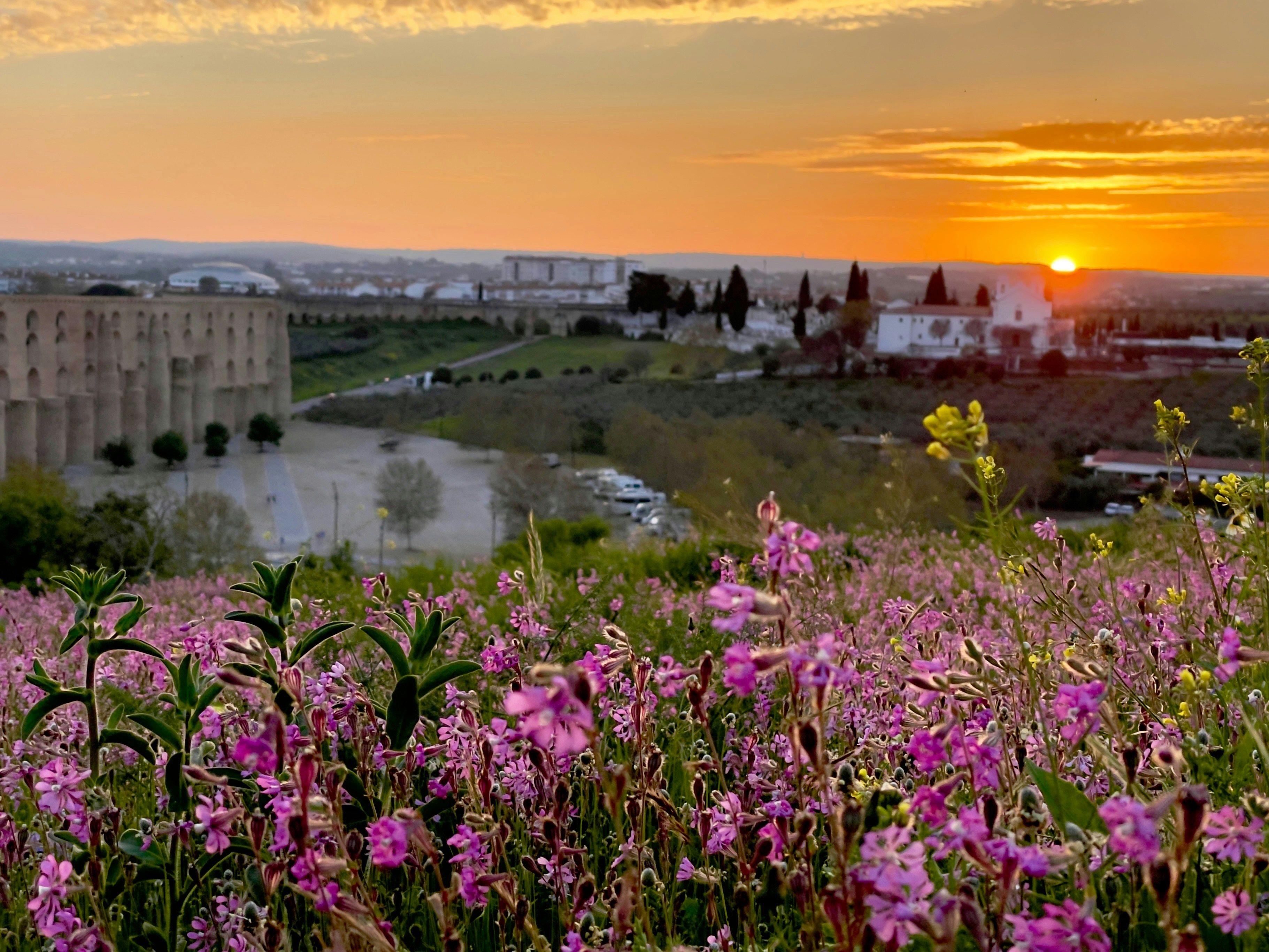
Near the Spanish border, Elvas has been a UNESCO World Heritage Site since 2012 for its garrison fortifications. Farther north, Marvão is a village on a granite crag with wide views into Spain.
The Alentejo Coast
The Alentejo also has a long Atlantic coast, from Comporta to the Costa Vicentina, with quiet beaches and villages like Vila Nova de Milfontes.
Alentejo Wine, Cork and Food
The Alentejo is one of Portugal's best-known wine regions, with eight DOC sub-regions, yet only about 5% of its land is planted with vines. Its reds are generous and fruity, and many estates around Évora open for tastings. The Alentejo is also cork country: Portugal has about 720,000 hectares of montado, the cork oak landscape typical of the region.
Alentejo food is hearty and rural: try black pork (porco preto), migas, açorda and local cheeses, with a glass of Alentejo red. In the evening, listen out for Cante Alentejano, the region's unaccompanied choral singing, on UNESCO's list of Intangible Cultural Heritage since 2014.
How to Get to Évora from Lisbon
Évora works as a day trip from Lisbon, but staying a night lets you see the city once the day visitors have left and reach the countryside.
How Many Days?
- Day trip: Évora's old town, the Roman Temple, the cathedral and the Chapel of Bones.
- 1 night: add the Almendres Cromlech and a wine estate.
- 2 to 3 days: add Monsaraz and Alqueva for stargazing, or Elvas and Marvão.
- On the way south: Évora fits well between Lisbon and the Algarve on a road trip.
When to Go
Spring and autumn are the best times to visit the Alentejo, with mild weather and green or golden countryside. July and August are very hot inland, so plan sightseeing for the morning and evening. Winter is quiet and cooler, good for city visits and clear night skies. In 2027, Évora's European Capital of Culture program starts in February, with the full program announced at the end of 2026.