Best Neighborhoods in Lisbon to Explore
A guide to Lisbon's best neighborhoods: Alfama, Mouraria, Graça, Baixa, Chiado, Bairro Alto, Príncipe Real, Belém and more, and what each is like.
March 20, 2020 • 8 min read
Discover The Best Neighbourhoods in Lisbon
Lisbon Neighborhoods at a Glance
The Historic Hills: Alfama, Mouraria and Graça
1. Alfama
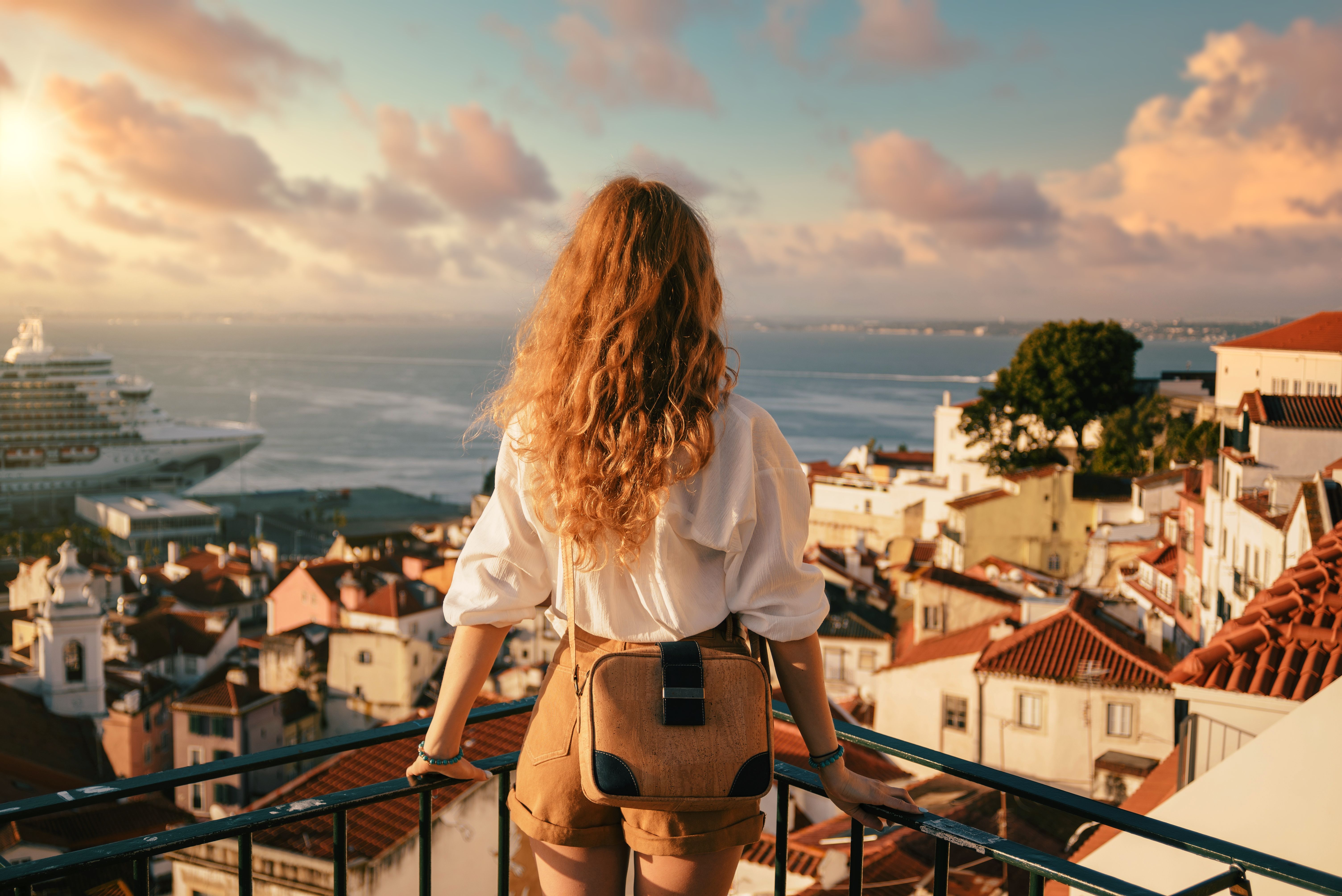
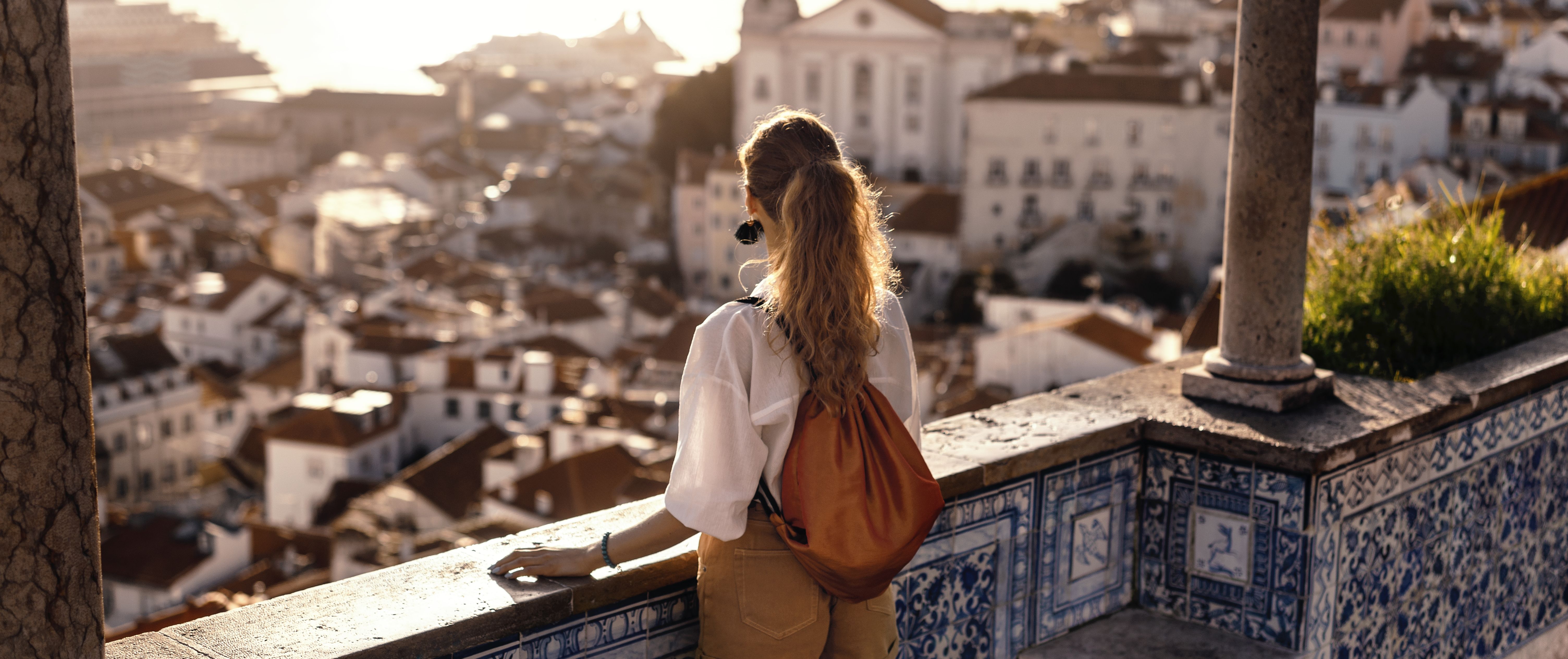
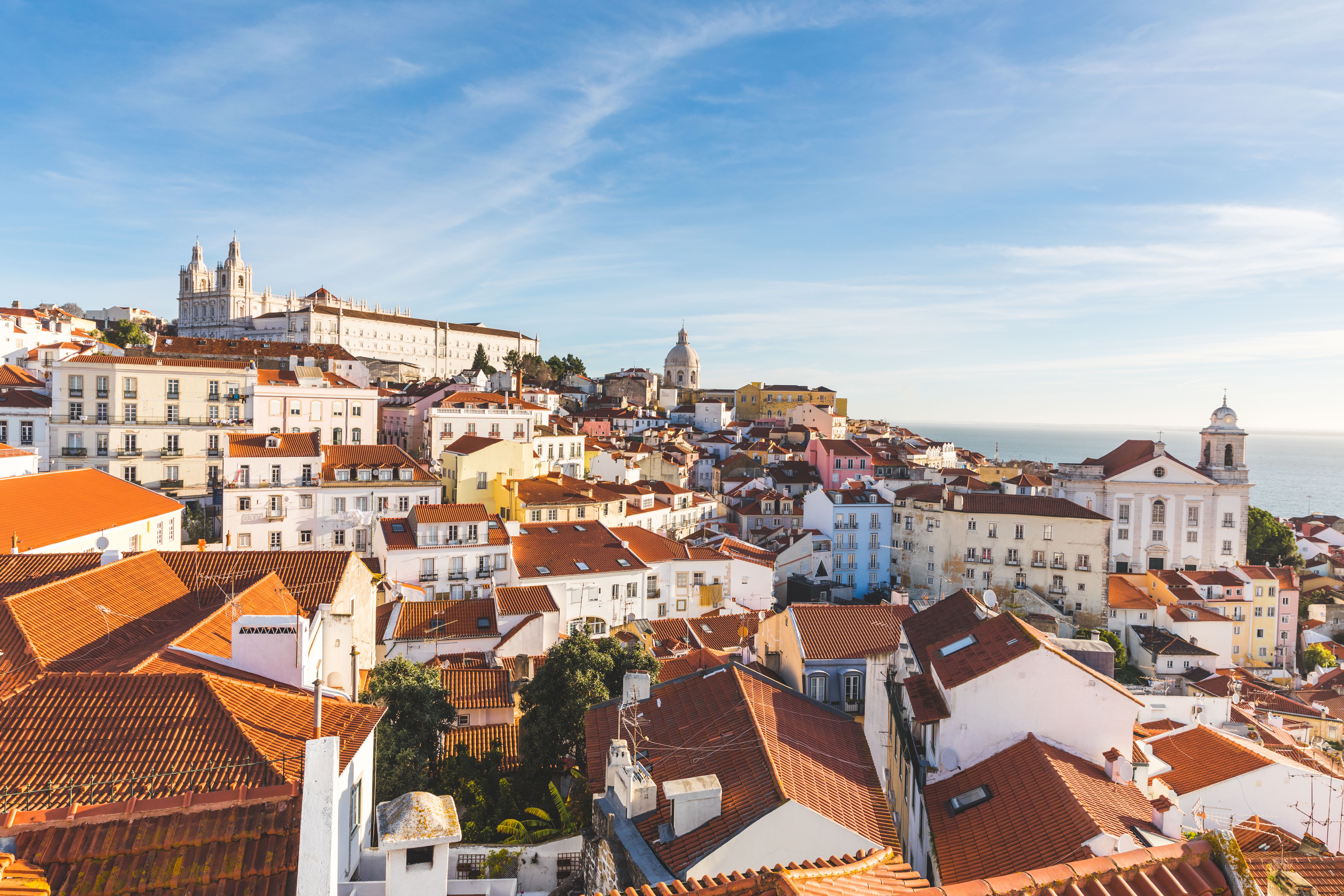
Alfama is the oldest neighborhood in Lisbon, a maze of narrow lanes, stairways and small squares that climbs from the river to São Jorge Castle. Its layout dates from the Moorish period, and much of it survived the 1755 earthquake. Look for the Sé, Lisbon's cathedral, the Santa Luzia and Portas do Sol viewpoints, and the National Pantheon. In the evening, small restaurants serve dinner with live fado, and in June, Alfama is the center of the Santo António festivities.
2. Mouraria
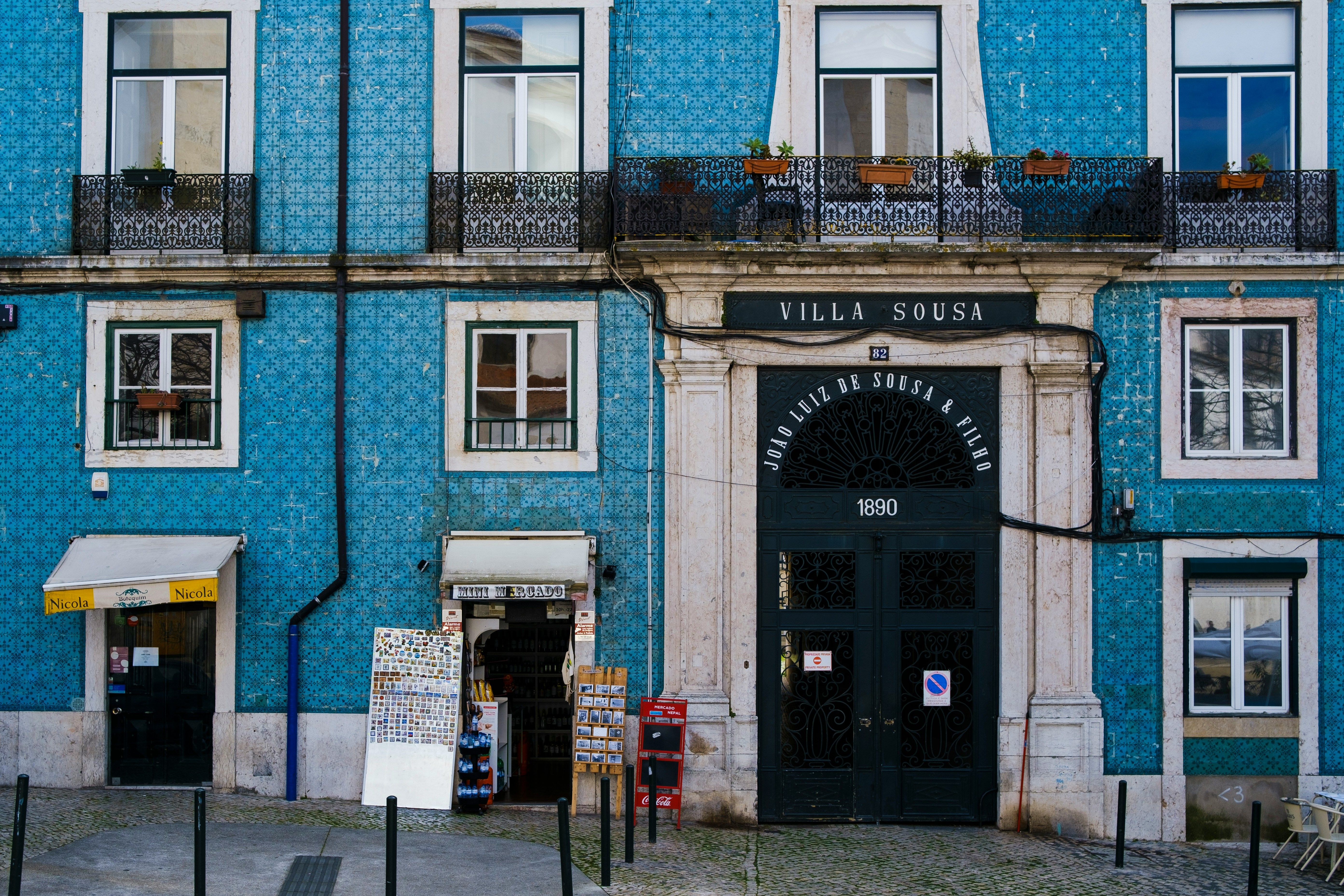
Below the castle, on its north side, Mouraria is where the Moors were allowed to live after the Christian conquest of Lisbon in 1147. It is considered one of the cradles of fado: Maria Severa, the legendary first great fado singer, lived and died here in the 19th century. Today it is one of the most multicultural parts of the city, with small grocery shops and restaurants from around the world. Start in the Largo do Intendente and walk up the lanes toward the castle.
3. Graça
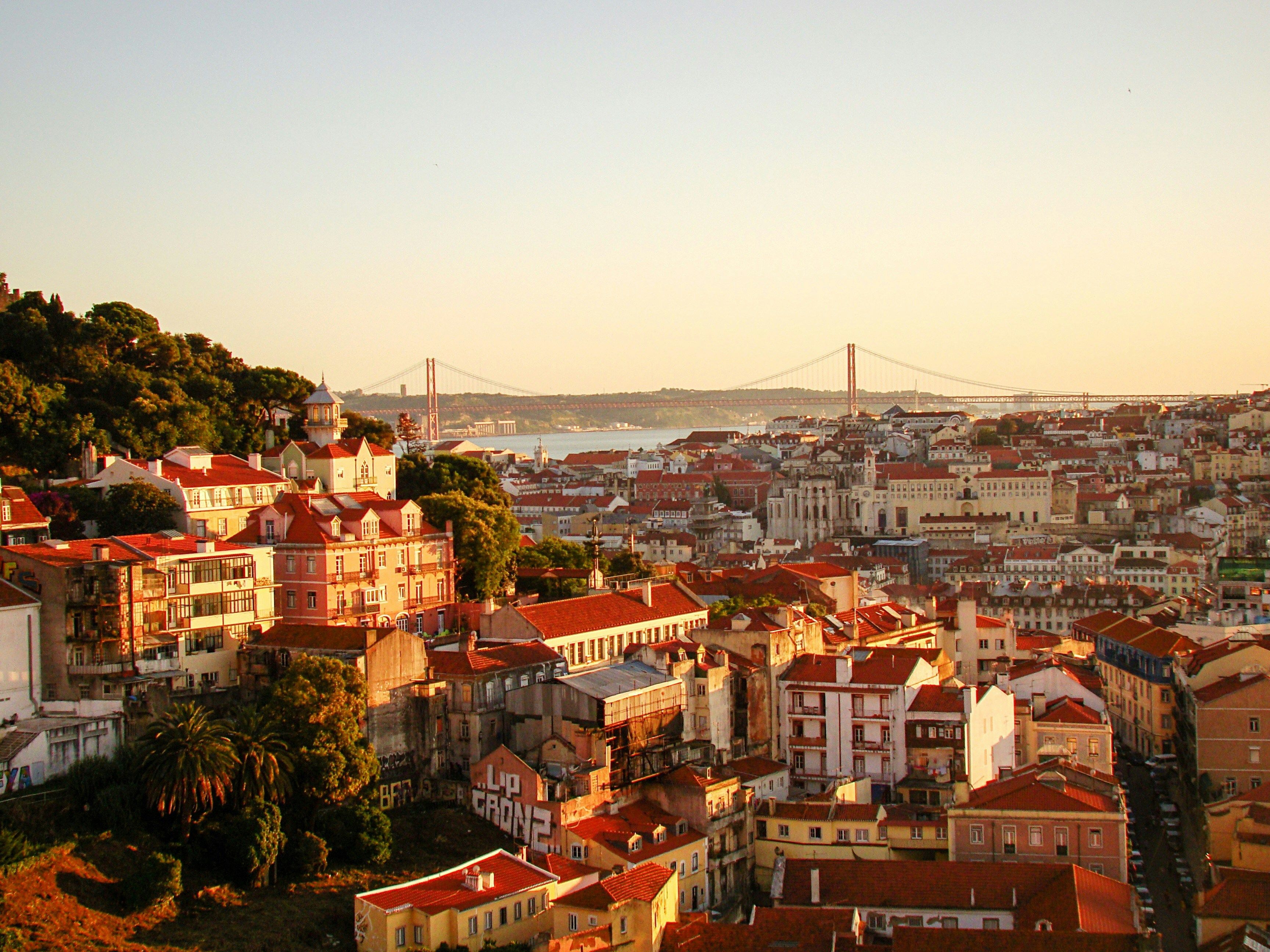
Graça, above Alfama and Mouraria, is a residential neighborhood with some of the best viewpoints in Lisbon: the Miradouro da Graça and, a short walk higher, the Miradouro da Senhora do Monte. Tram 28 passes through on its way across the city. On Tuesdays and Saturdays, the Feira da Ladra flea market fills the Campo de Santa Clara nearby, next to the Monastery of São Vicente de Fora.
The Center: Baixa, Chiado and Bairro Alto
4. Baixa
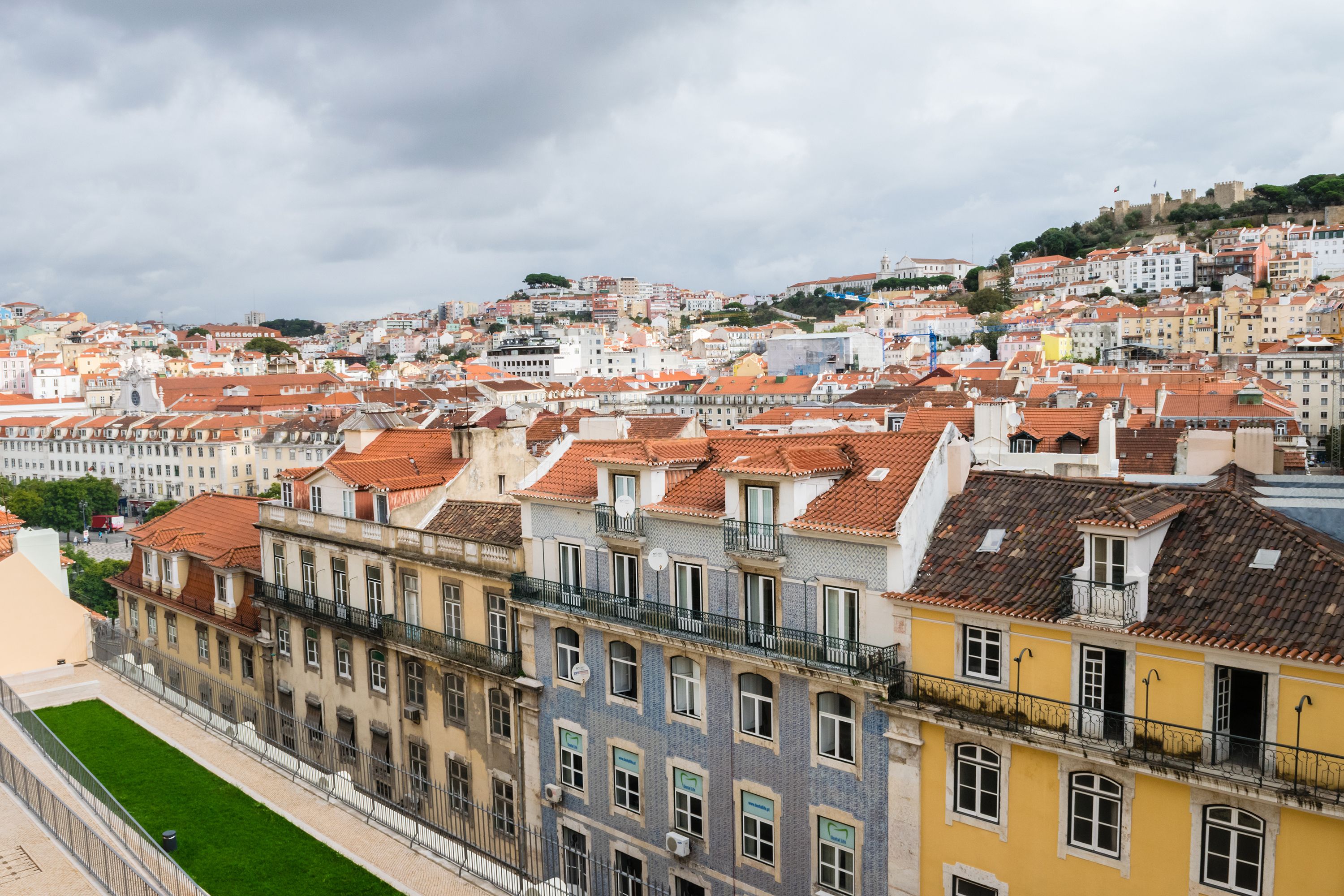
The Baixa, or Baixa Pombalina, is the flat downtown between the hills. After the 1755 earthquake, the Marquis of Pombal had it rebuilt on a grid of straight streets, with uniform buildings designed to resist future earthquakes. Its main street, Rua Augusta, leads from Rossio square through the Rua Augusta Arch to Praça do Comércio on the river.
On the edge of the Baixa, the Santa Justa Lift, opened in 1902, rises about 45 meters to link the Baixa with Largo do Carmo. It was designed by Raoul Mesnier du Ponsard, a student of Gustave Eiffel.
5. Chiado
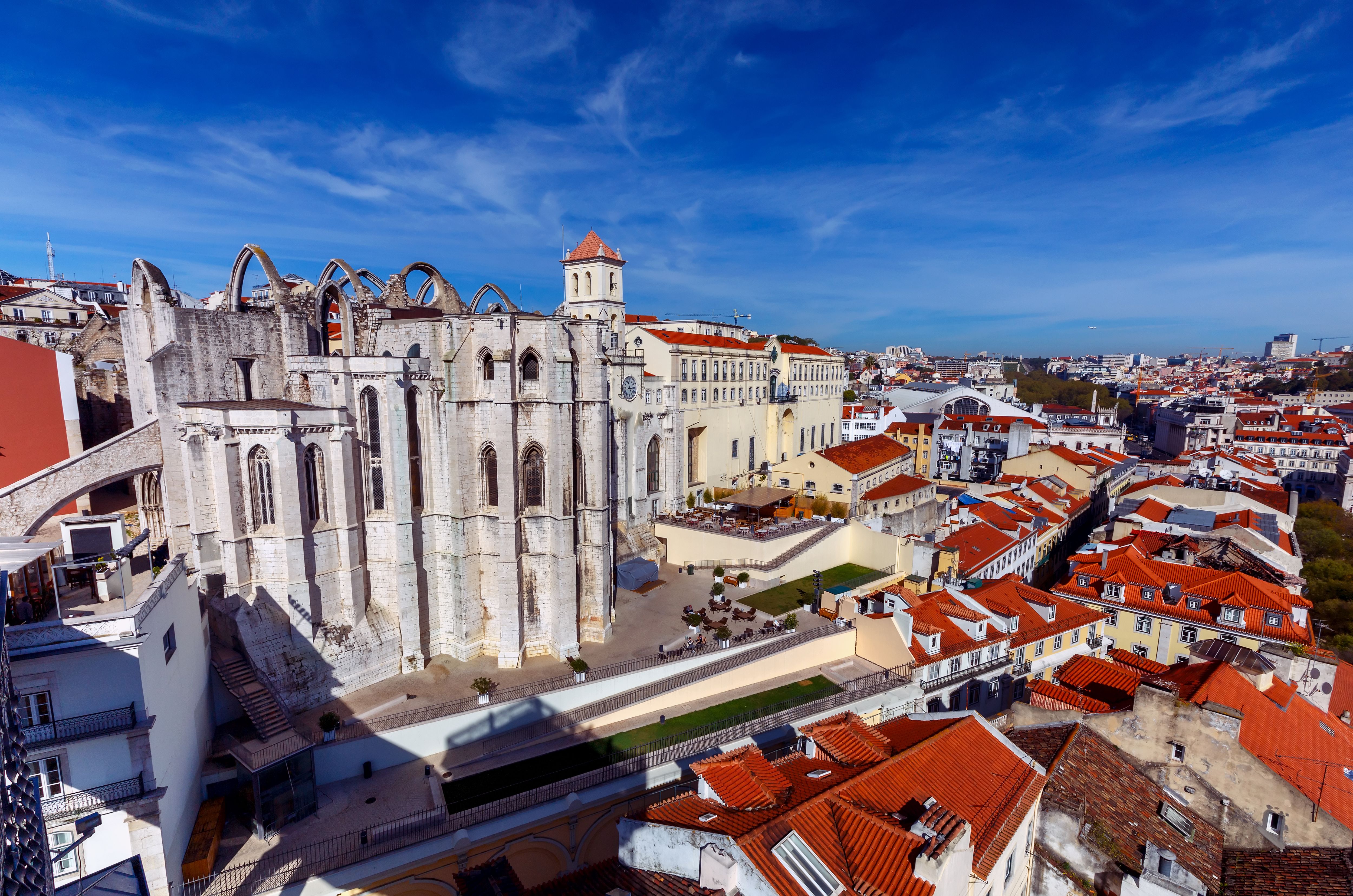
Just uphill from the Baixa, Chiado is Lisbon's most elegant shopping and café district, with historic cafés such as A Brasileira, bookshops, theaters and the São Carlos opera house. Nearby, the ruins of the Carmo Convent, left roofless after the earthquake, are one of the most striking sights in the city. Chiado is also where to find Manteigaria's warm pastéis de nata.
6. Bairro Alto
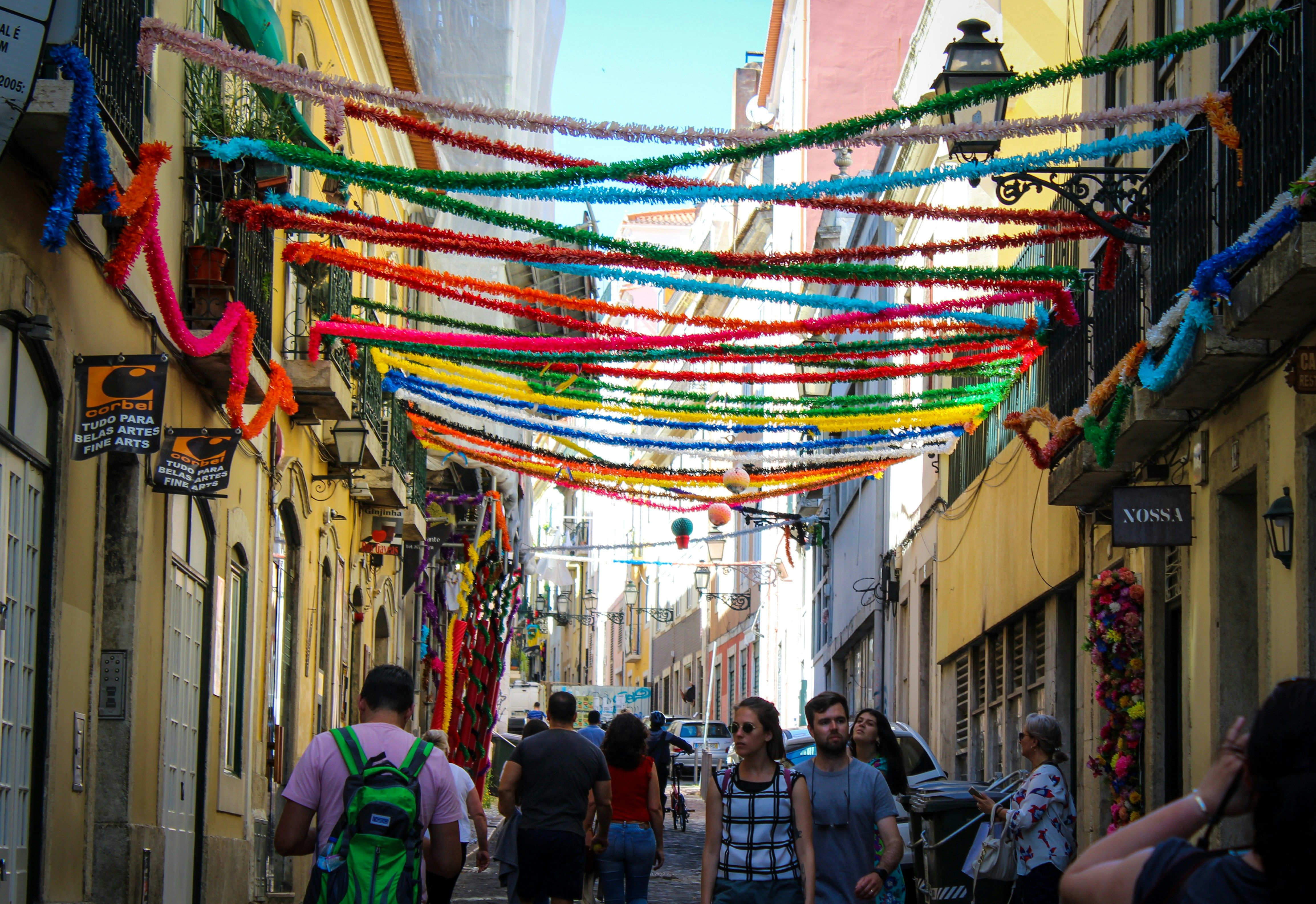
Bairro Alto, the "upper neighborhood," was laid out in the early 16th century on the hill above Chiado, and it was not badly damaged in the 1755 earthquake. By day, it is quiet, with washing hanging between the houses. At night, its narrow streets fill with people drinking outside small bars, and it becomes the center of Lisbon's nightlife. The São Pedro de Alcântara viewpoint, at its northern edge, looks across to the castle.
Stylish and Local: Príncipe Real, Cais do Sodré and Campo de Ourique
7. Príncipe Real
North of Bairro Alto, Príncipe Real is one of the most stylish neighborhoods in Lisbon. Around its garden, the Jardim do Príncipe Real, with a huge cedar tree, you find concept stores, Portuguese design shops, restaurants and wine bars. The Embaixada gallery, in a 19th-century palace, brings together Portuguese brands under one roof. From here, it is a short walk down to Avenida da Liberdade, the city's grand avenue of luxury shops.
8. Cais do Sodré
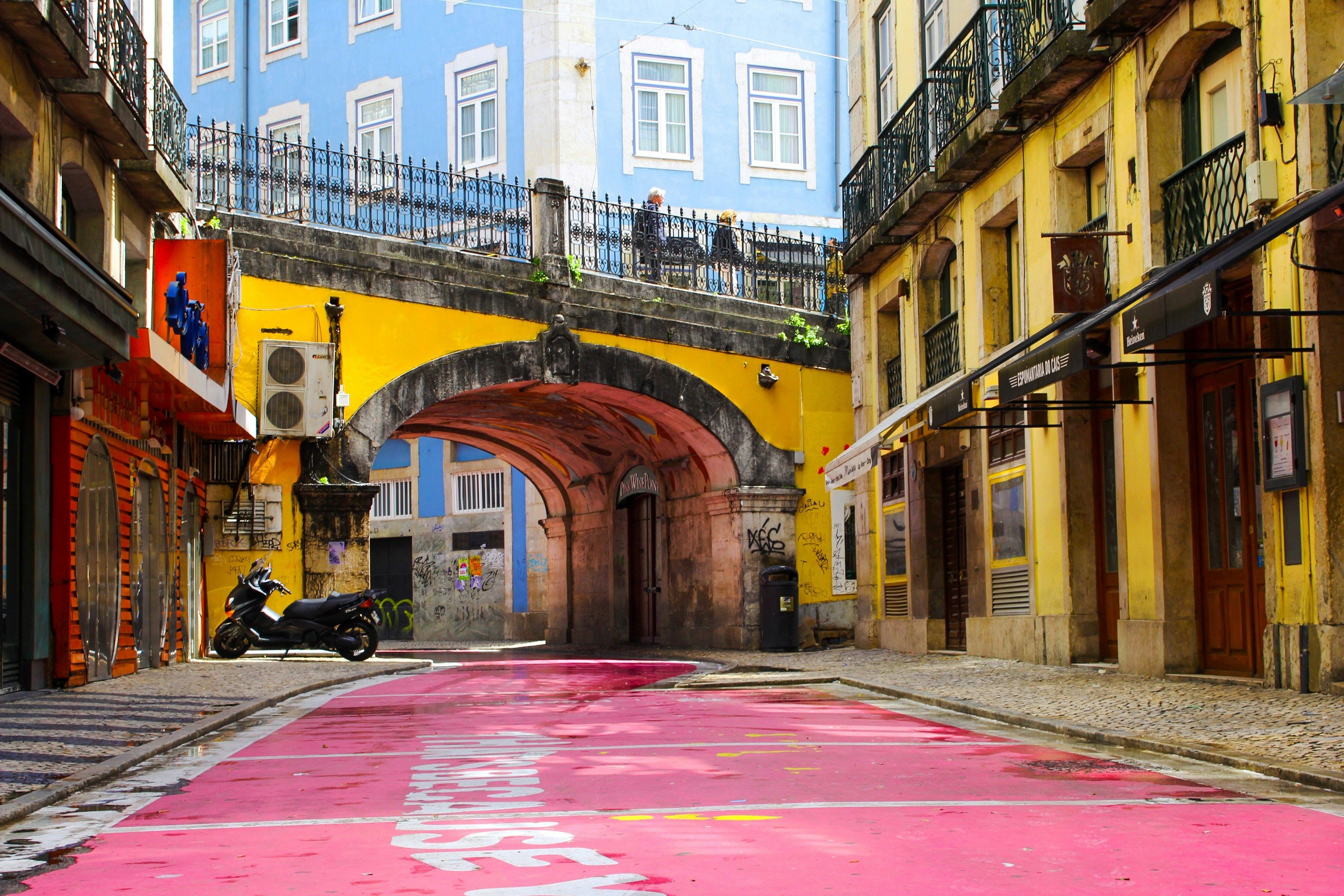
Once a rough port district, Cais do Sodré is now one of Lisbon's liveliest areas. The Time Out Market, in the Mercado da Ribeira, gathers some of the city's best-known chefs under one roof, and the pink-painted Rua Nova do Carvalho, known as Pink Street, is lined with bars. It is also where trains leave for Cascais and ferries cross the river.
9. Campo de Ourique
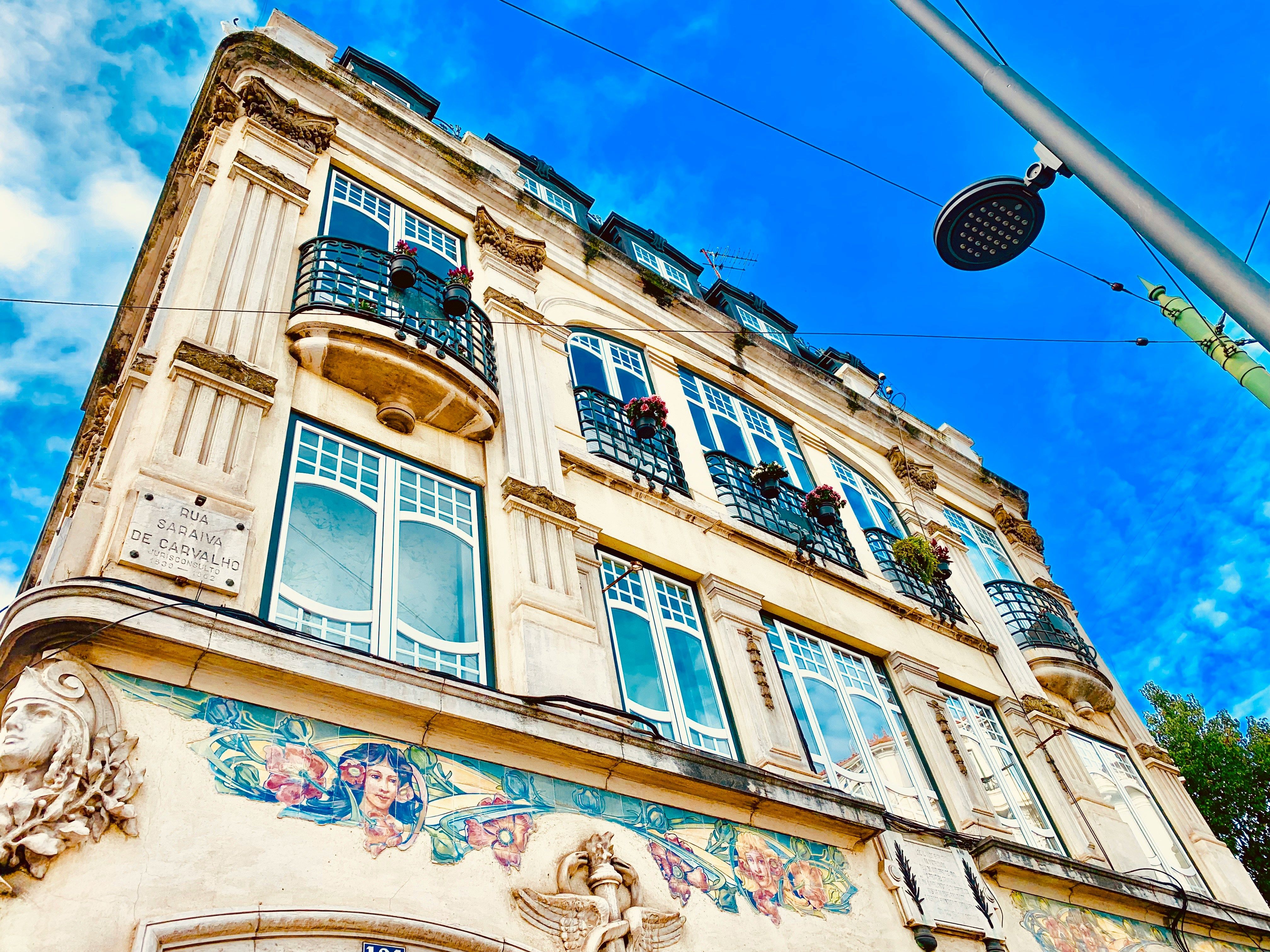
Campo de Ourique is a residential neighborhood west of the center, laid out on a grid and loved by locals for its shops and restaurants. Its covered market, the Mercado de Campo de Ourique, is a good alternative to the busier Time Out Market. Tram 28 ends its route here, near the Prazeres Cemetery, and the Basílica da Estrela and its garden are a short walk away.
Along the River: Alcântara, Belém and Parque das Nações
10. Alcântara
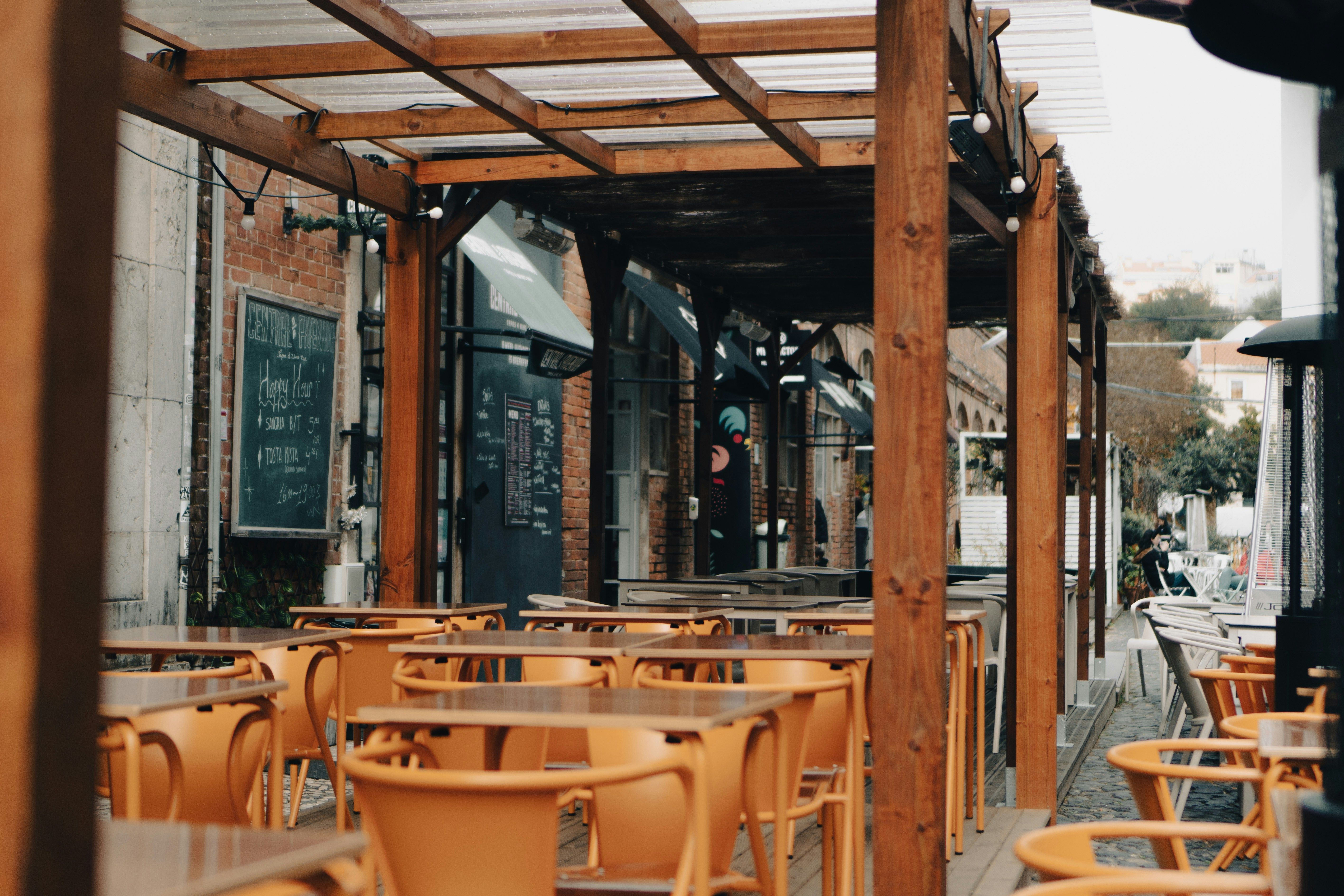
Alcântara, between the center and Belém, sits beneath the 25 de Abril Bridge. Its highlight is LX Factory, an industrial complex where a textile company opened in 1846, now home to shops, restaurants, galleries and studios. By the river, the Docas de Santo Amaro, old warehouses under the bridge, are lined with bars and restaurants.
11. Belém
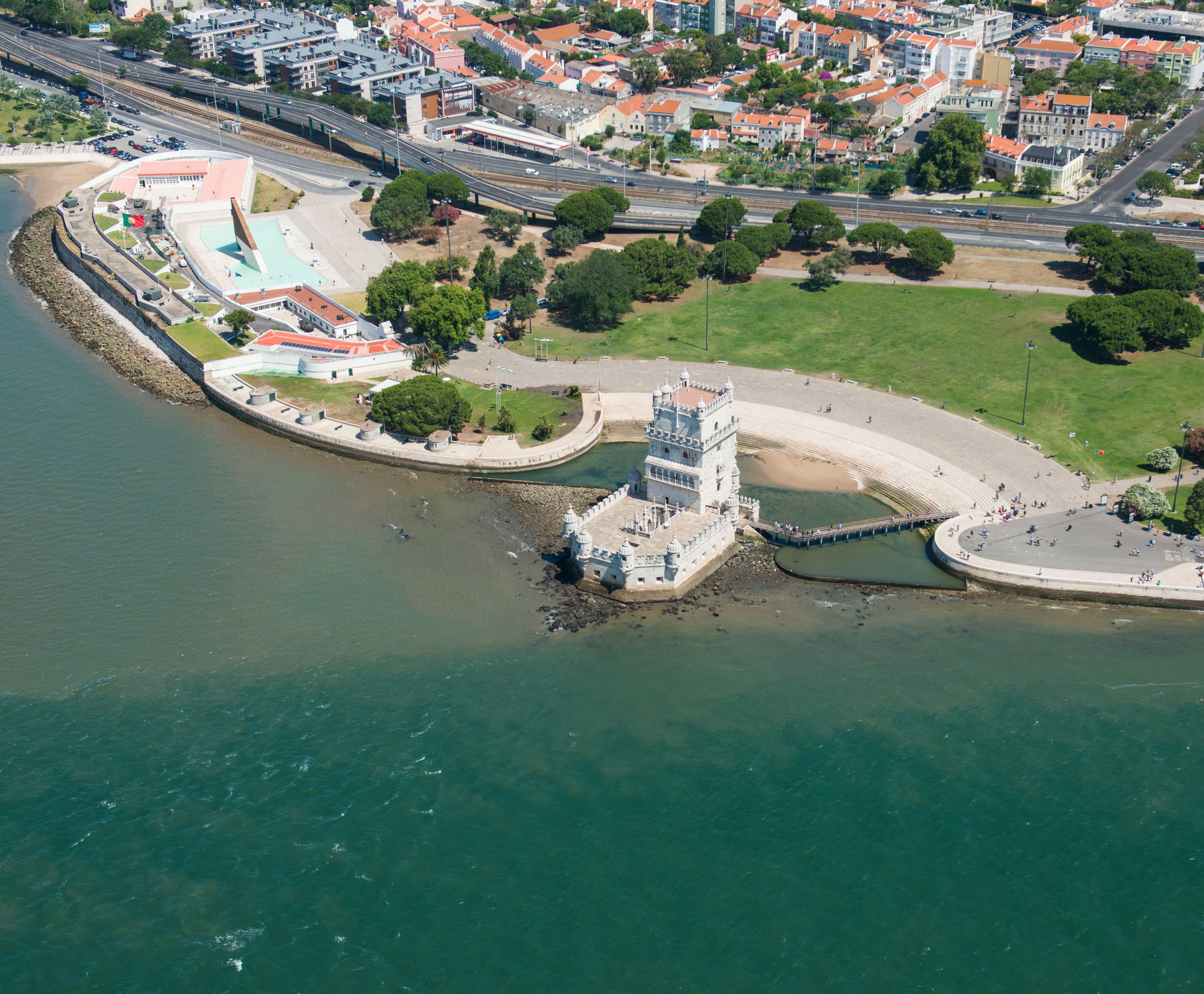
Belém, on the river west of the center, is where the ships of the Age of Discoveries set sail. It has some of Lisbon's most important monuments: the Jerónimos Monastery and the Belém Tower, both UNESCO World Heritage Sites, and the Monument to the Discoveries. Do not leave without trying the custard tarts at Pastéis de Belém, the bakery opposite the monastery, open since 1837. The line moves fast.
12. Parque das Nações
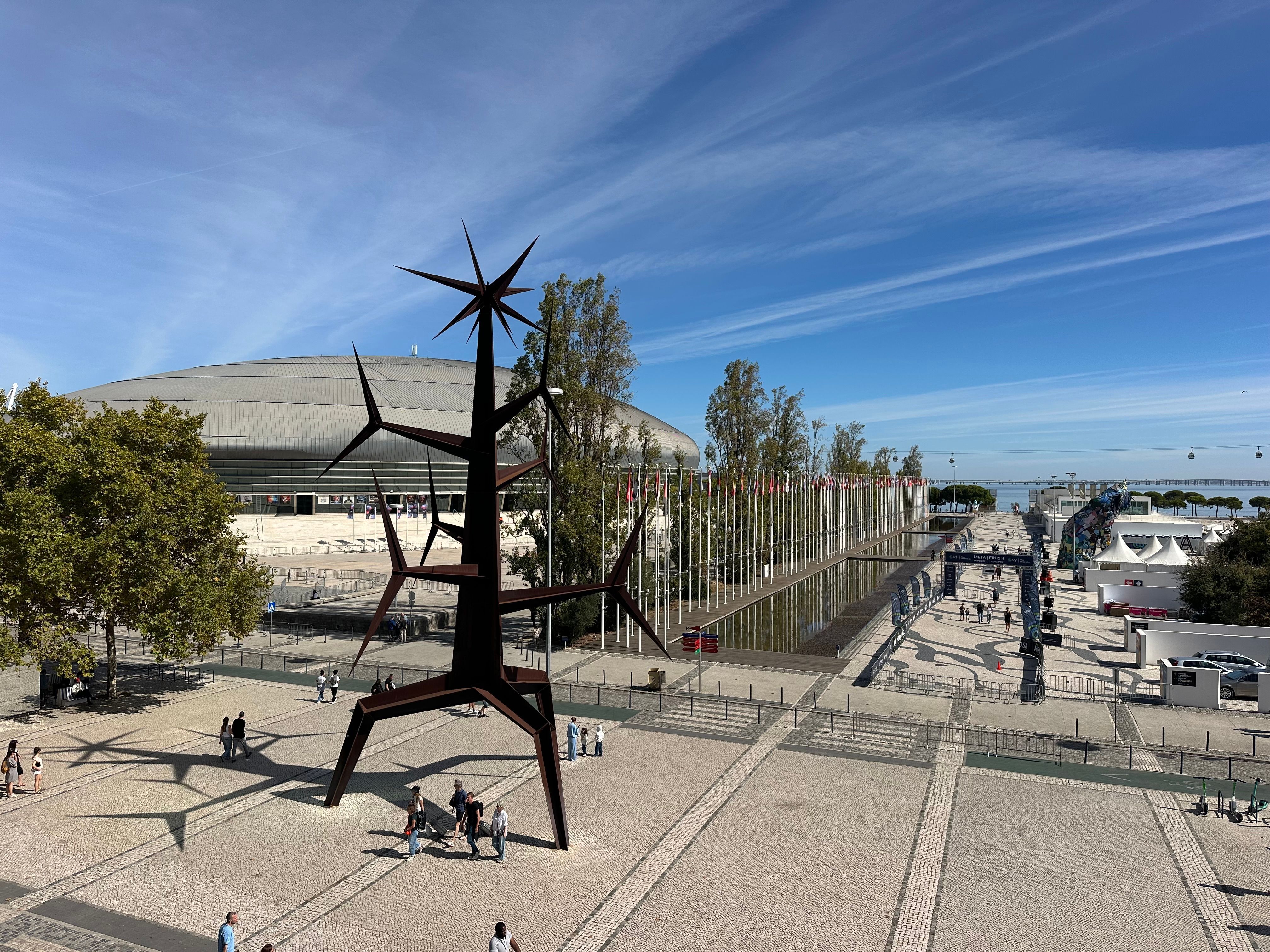
In the east of the city, Parque das Nações was built for the Expo 98 world fair on former industrial land by the river. It is Lisbon's most modern neighborhood, with a long riverside promenade, the Oceanarium, a cable car and the Vasco da Gama Bridge stretching across the Tagus. The Oriente station, by the architect Santiago Calatrava, connects it to the center by metro.
How to Explore Lisbon's Neighborhoods
- Wear good shoes. Alfama, Mouraria, Graça and Bairro Alto are steep and paved with slippery cobblestones.
- Use the trams and funiculars. Tram 28 links Graça, Alfama, the Baixa, Chiado and Estrela, and the Glória and Bica funiculars climb to Bairro Alto.
- Walk downhill. Start at the top, for example in Graça, and walk down through Alfama to the river.
- Plan by time of day. Belém and Alfama are calmest in the morning, Graça and the viewpoints are best at sunset, and Bairro Alto comes alive at night.