
Lisbon Itinerary: 3, 4 and 5 Day Plans
A day-by-day Lisbon itinerary for 3, 4 or 5 days with Alfama, Belém, the viewpoints, Sintra and Cascais, plus how many days you need in Lisbon.
April 29, 2026 • 11 min read
Lisbon Itinerary: The Perfect 3, 4 & 5-Day Plan
How Many Days Do You Need in Lisbon?
Most first-time visitors are happy with 4 days: three in the city and one in Sintra. With 3 days, you see the highlights but skip the quieter neighborhoods. With 5 days, you add the coast at Cascais and can slow down. A weekend of 2 days is enough for Alfama, the Baixa and Belém, but not for Sintra.
Before You Go
- Wear comfortable shoes. Alfama, Graça and Mouraria are steep, and the streets are paved with slippery cobblestones.
- Book ahead in high season. Pena Palace uses timed entry, and the Belém Tower now runs on time slots too. Popular restaurants fill up at dinner.
- Use public transport. The metro and buses cover longer distances, and you can walk most of the historic center. Tram 28 is worth one ride, but it is crowded, so do not count on it to get around.
- Eat late. Locals rarely have dinner before 8 pm, and restaurants are liveliest from about 8:30 pm.
- Carry some cash. Most places take cards, but some small tascas and market stalls prefer cash.
Day 1: Alfama, São Jorge Castle and the Baixa
Start where Lisbon started. Alfama is the oldest neighborhood in the city, a maze of steep lanes, small squares and tiled houses, and it is calmest in the morning.
Morning: Alfama and the Castle
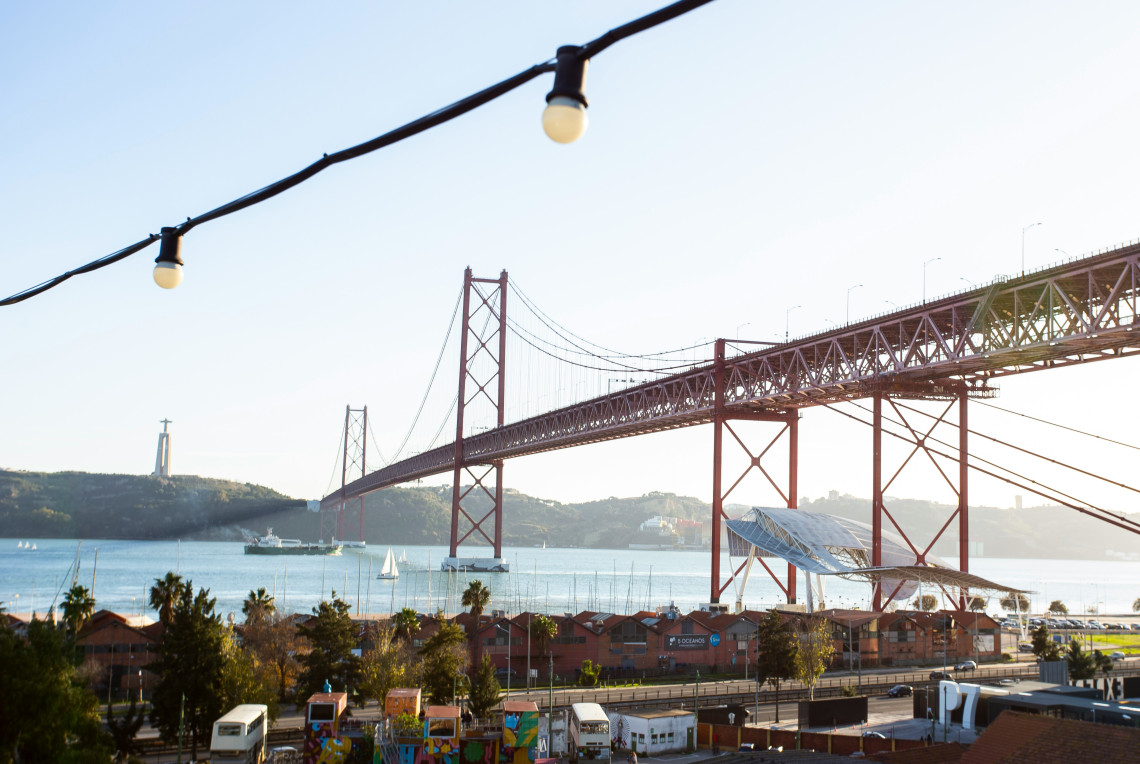
Begin at the Miradouro das Portas do Sol for your first view over Alfama's rooftops and the river, then walk up to São Jorge Castle, which opens at 9 am. Arrive early to walk the walls before the tour groups. The castle has views over most of the city, and peacocks roam the gardens.
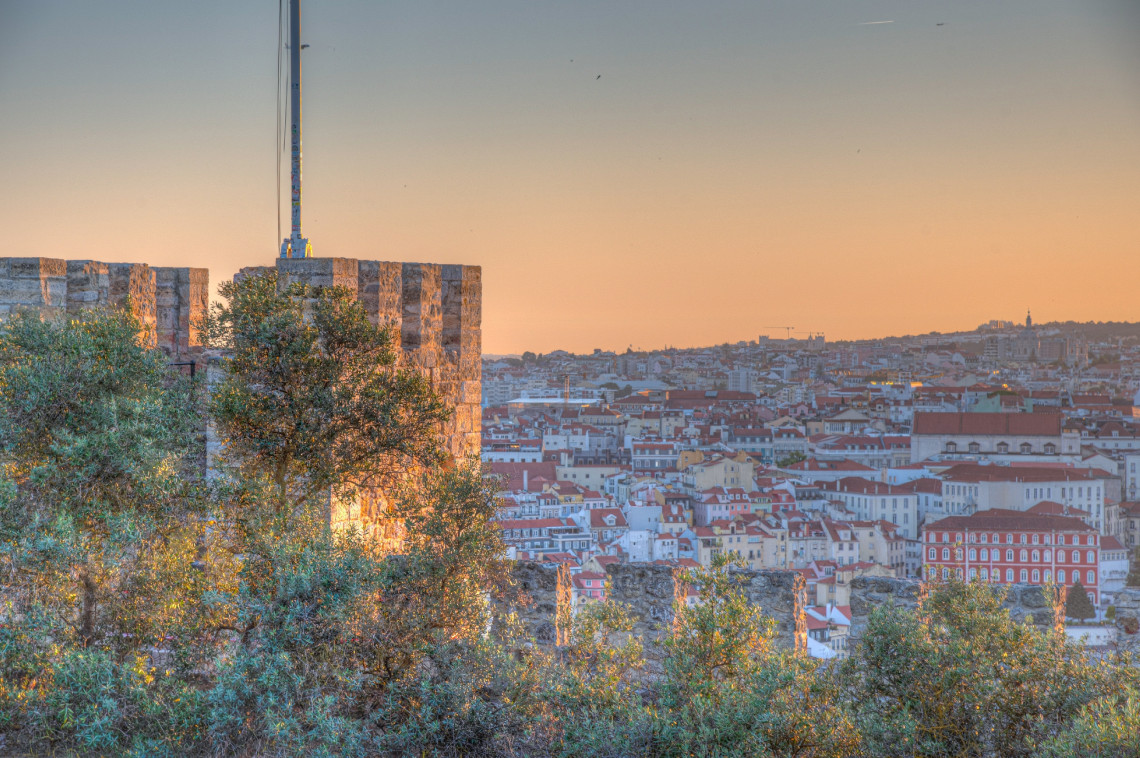
Walk back down through Alfama and let yourself get lost. On the way, stop at the Igreja de Santo António, built where Saint Anthony was born, and the Sé, Lisbon's cathedral, begun after the Christian conquest of the city in 1147.
Lunch
Try a bifana, the Portuguese pork sandwich marinated in white wine and garlic, in one of the small cafés of the Baixa. For more choice under one roof, the Time Out Market at the Mercado da Ribeira, by Cais do Sodré, is busy with visitors, but the food is good. Save room for a warm pastel de nata at Manteigaria, in Chiado.
Afternoon: Chiado and the Baixa
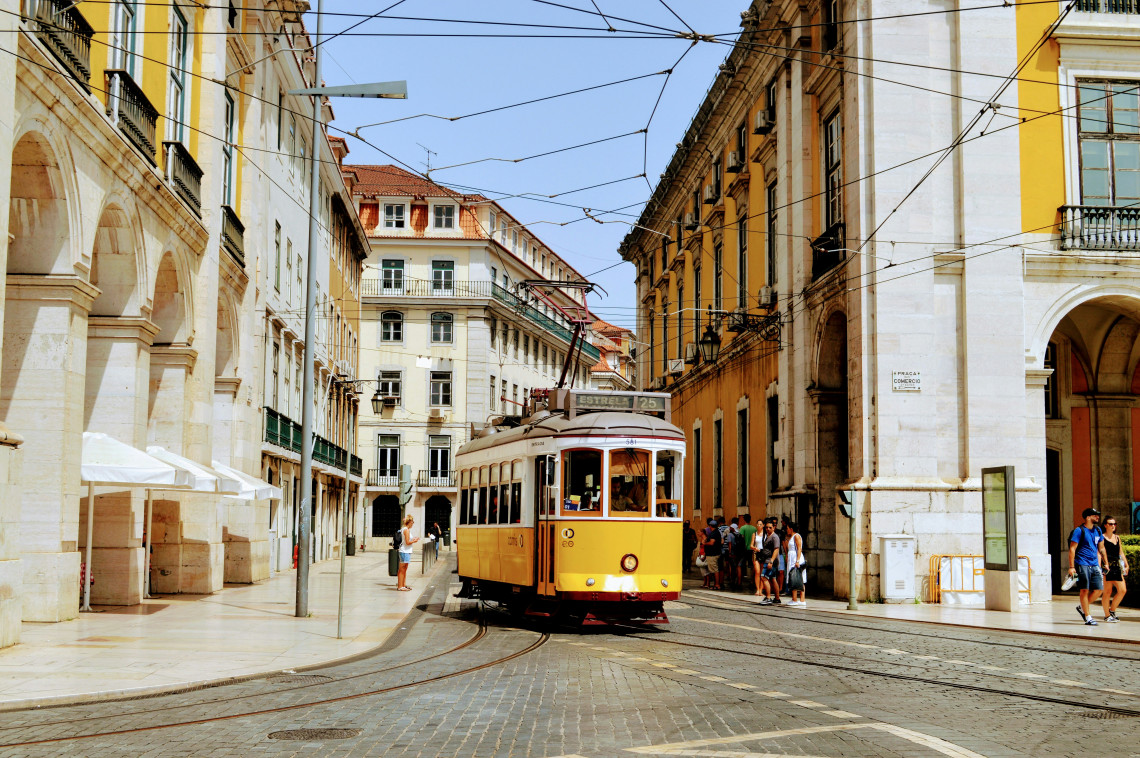
In Chiado, visit the Igreja de São Roque. It looks plain from the outside, but inside, its chapels are covered in gilded wood, marble and tiles. A short walk away, the Carmo Convent was left as a roofless Gothic ruin after the 1755 earthquake, and its arches open to the sky.
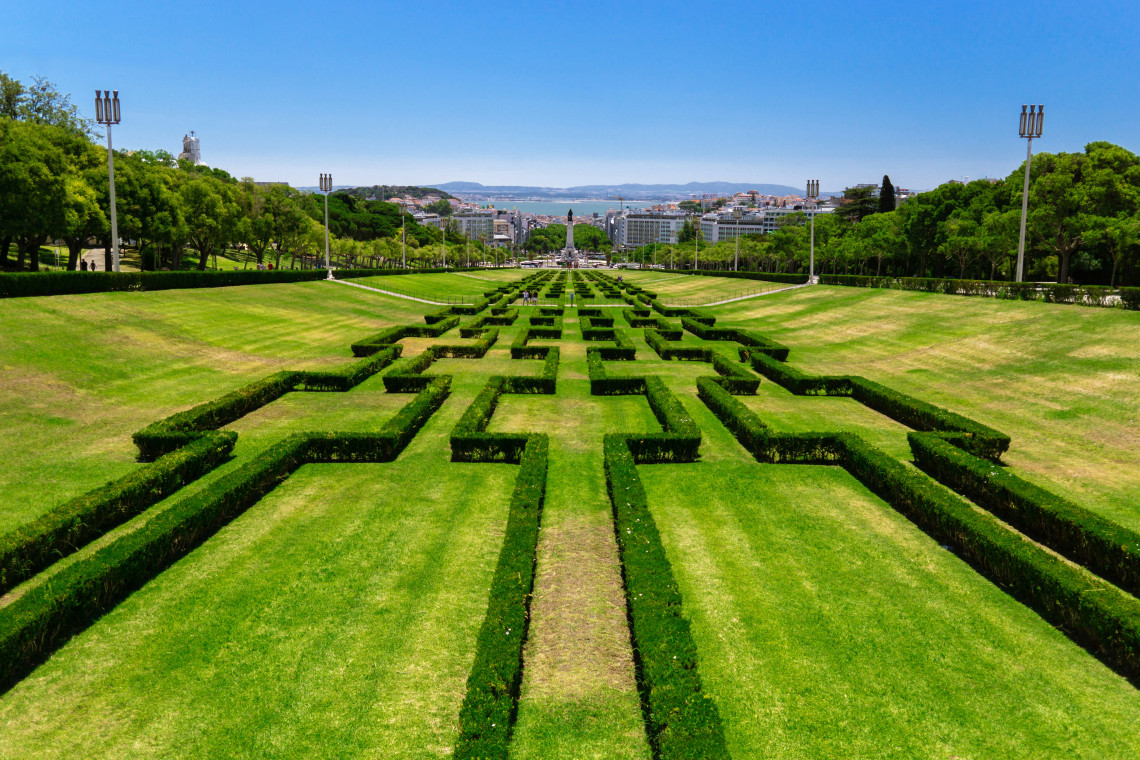
Then walk down into the Baixa, rebuilt on a grid after the earthquake. The line for the Santa Justa Lift is usually long, so you can skip it. Walk down Rua Augusta and through its arch to Praça do Comércio, the great square on the river. For a view of the city from the water, take the ferry to Cacilhas and back.
Evening: Ginjinha, Dinner and Fado
Before dinner, have a glass of ginjinha, the sour cherry liqueur, at A Ginjinha on Largo de São Domingos, a tiny bar open since 1840. For seafood, Cervejaria Ramiro, north of the Baixa, is one of the best-known places in the city, and it is worth booking. After dinner, hear fado in Alfama or Bairro Alto.
Day 2: Belém, Estrela and Príncipe Real
Day two takes you west to Belém, where the ships of the Age of Discoveries set sail, and then back to two of Lisbon's most pleasant residential neighborhoods.
Morning: Belém
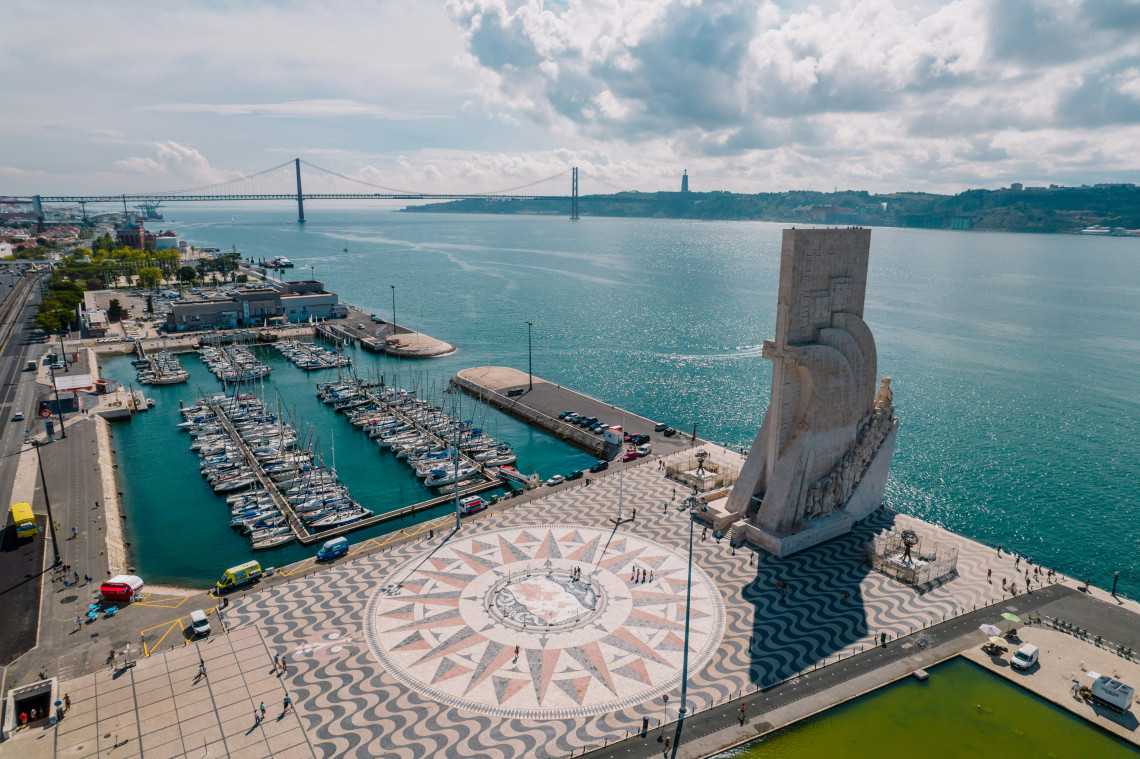
Take Tram 15E from Praça da Figueira or Cais do Sodré to Belém. Start at the Jerónimos Monastery, a masterpiece of Manueline architecture and a UNESCO World Heritage Site, where Vasco da Gama and the poet Luís de Camões are buried. Book your ticket ahead in summer.
Walk along the river to the Monument to the Discoveries and the Belém Tower. The tower reopened in May 2026 after a year of restoration, and entry now works with half-hour time slots, so buy your ticket in advance. On the way back, stop at Pastéis de Belém, the bakery opposite the monastery that has made its custard tarts since 1837. The line moves fast.
Lunch: Campo de Ourique
Belém is crowded at lunchtime, so take a taxi to Campo de Ourique, a residential neighborhood where locals eat. Its covered market, the Mercado de Campo de Ourique, has food stalls, and the streets around it are full of small restaurants.
Afternoon: Estrela and Príncipe Real
Walk to the Jardim da Estrela, a shaded park with a pond and a bandstand, opposite the domed Basílica da Estrela. Then continue to Príncipe Real, with its garden, independent shops and wine bars. The Embaixada gallery, in a 19th-century palace, sells Portuguese design and makes a good stop for gifts.
Evening: Sunset on the River
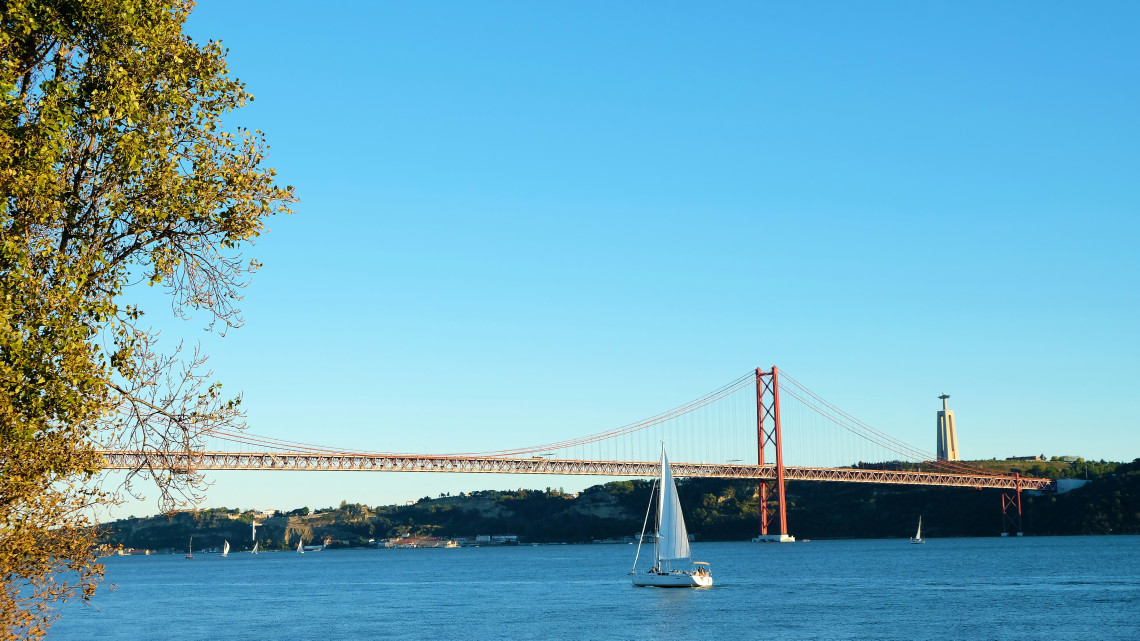
End the day on the Tagus. A sunset boat trip shows you the city's hills, the 25 de Abril Bridge and the monuments of Belém from the water. Book ahead in summer.
Day 3: Day Trip to Sintra
If you do one day trip from Lisbon, make it Sintra. The town sits in the forested hills northwest of the city, and its palaces and gardens are a UNESCO World Heritage Site.

Getting There
Trains to Sintra leave from Rossio station, in the center of Lisbon, and the journey takes about 40 minutes. Take an early train to reach Pena before the tour buses arrive mid-morning. Check the CP timetable for your travel day.
What to See
- Pena Palace. The red and yellow Romantic palace on top of the hill is the most famous sight. Entry to the palace is by time slot, so book ahead, especially in summer.
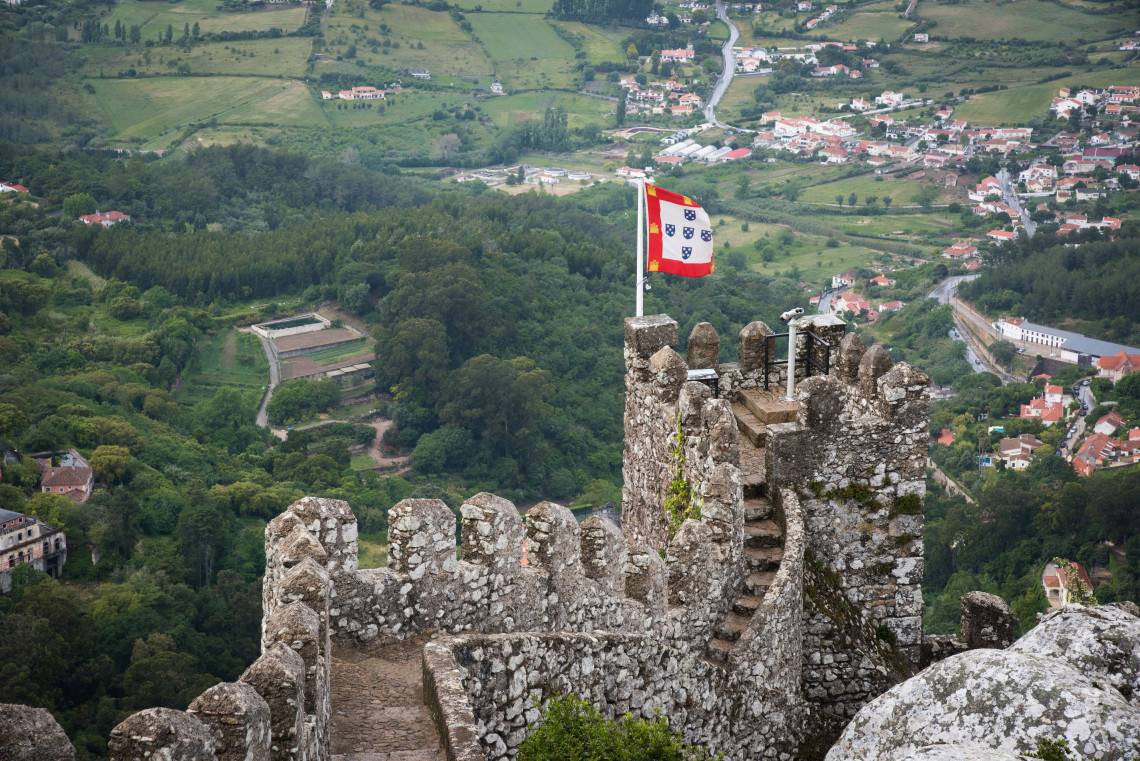
- The Moorish Castle. Built during the Moorish period and restored in the 19th century, its walls follow the ridge and look over Sintra and the coast. Many visitors skip it, so it is often quieter.
- Quinta da Regaleira. A palace and garden full of grottoes, tunnels and the Initiation Well, a spiral staircase that goes deep underground. Allow at least two hours.
- The old town. Try a travesseiro, a puff pastry filled with almond cream, at Piriquita, one of Sintra's oldest bakeries.
Avoid summer weekends if you can, when Sintra is at its busiest. A weekday in spring or autumn is a very different experience.
Day 4: Mouraria, Graça and the Viewpoints
With a fourth day, explore the neighborhoods many visitors miss and the viewpoints locals use.
Morning: Mouraria and Graça
Mouraria, below the castle, is where the Moorish community lived after 1147, and it is now one of Lisbon's most multicultural neighborhoods, considered the birthplace of fado. Start with a coffee in the Largo do Intendente, then walk up to Graça. On Tuesdays and Saturdays, the Feira da Ladra flea market fills the Campo de Santa Clara nearby.
The Viewpoints Route
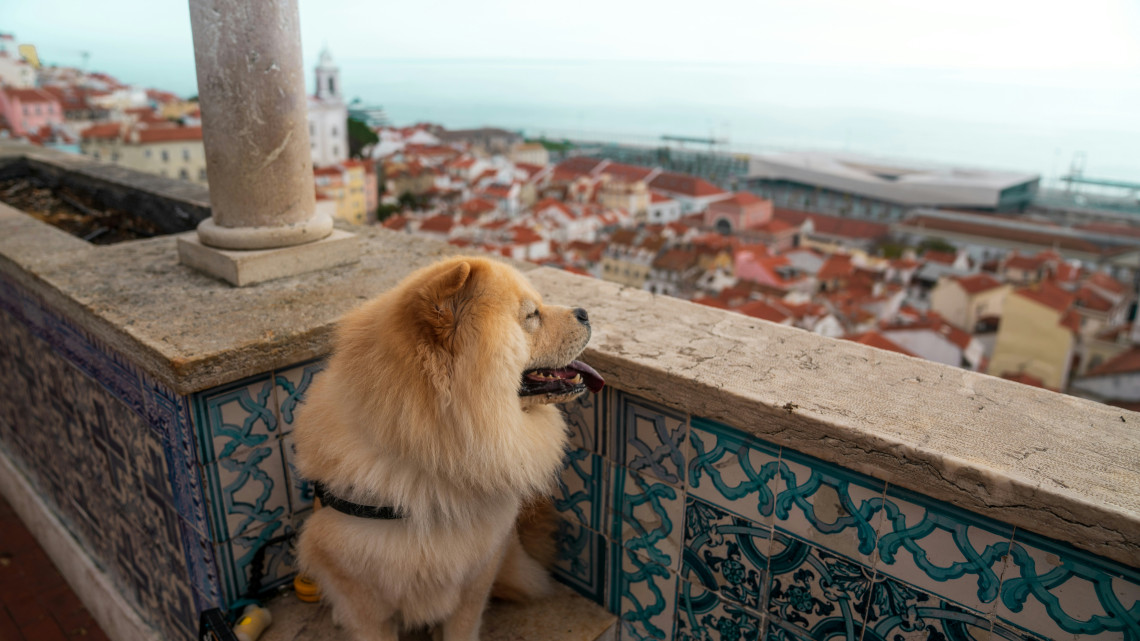
Four of the best viewpoints in Lisbon are on one downhill walk, so start at the top:
- Miradouro da Senhora do Monte, the highest, with a view over the castle, the center and the river.
- Miradouro da Graça, with pine trees and a kiosk, popular at sunset.
- Miradouro das Portas do Sol, the classic view over Alfama's roofs.
- Miradouro de Santa Luzia, with tile panels and a pergola covered in bougainvillea.
Afternoon and Evening: Parque das Nações
Near Graça, the Monastery of São Vicente de Fora and the National Pantheon, where the fado singer Amália Rodrigues is buried, are rarely crowded. The National Tile Museum, in the same part of the city, has been closed for renovation works, so check whether it has reopened before you go.
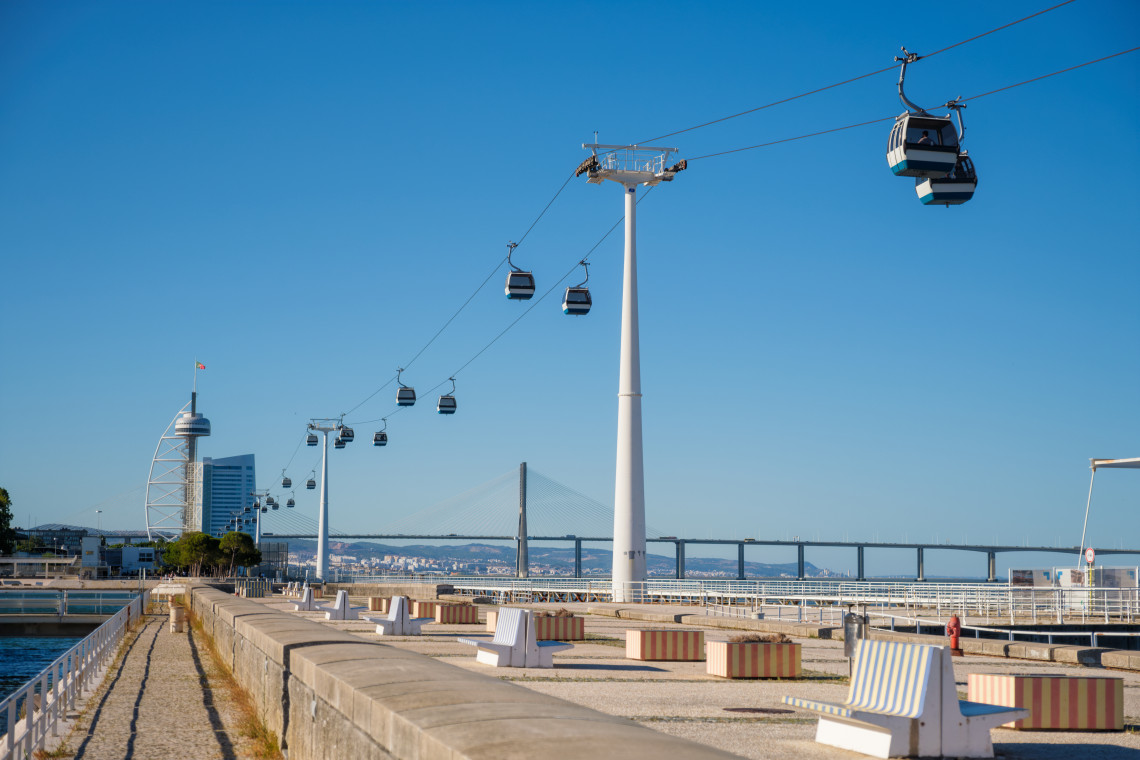
In the late afternoon, take the metro's Red Line to Parque das Nações, the riverside district built for Expo 98. Walk along the river, ride the cable car for a view of the Vasco da Gama Bridge and stay for dinner by the water.
Day 5: Cascais and the Coast
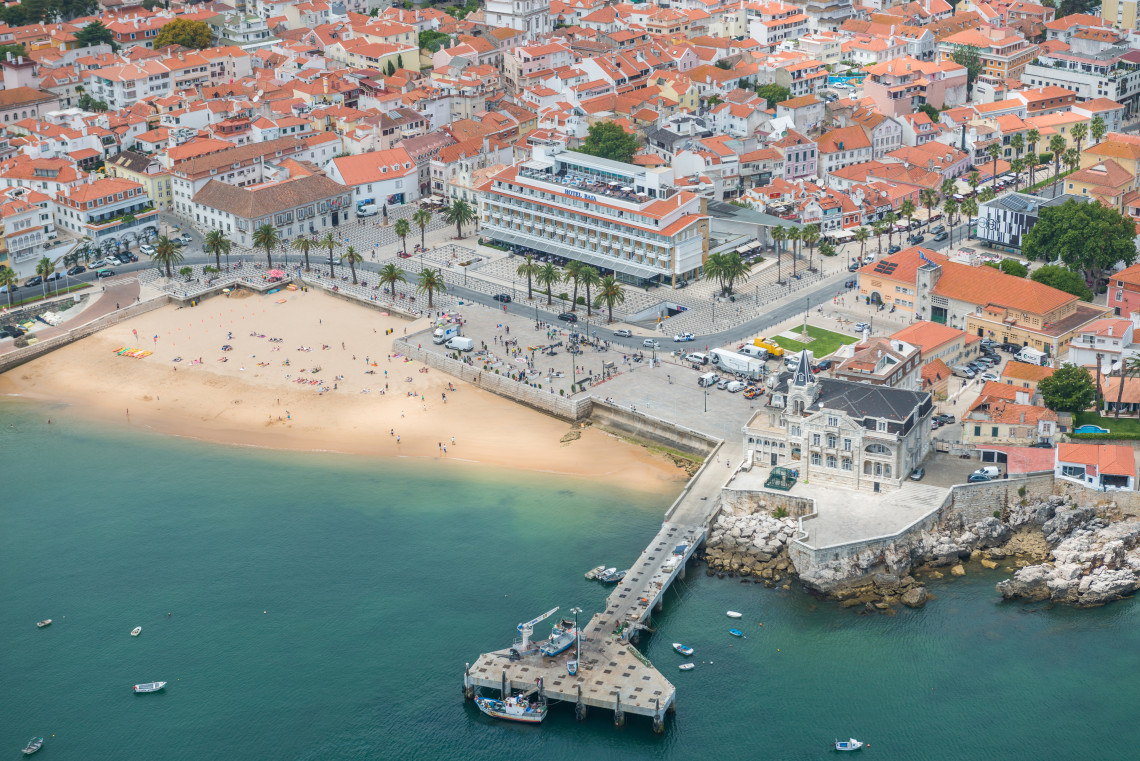
Spend your last day by the sea. Trains to Cascais leave from Cais do Sodré and follow the river and then the Atlantic coast, so sit on the left side, facing the water, for the best views.
Cascais is a former fishing village that became a seaside resort. Walk through the old town, then the beaches in the center, Praia da Ribeira and Praia da Rainha. For more, rent a bike and follow the coastal cycle path west to Guincho, a wild beach backed by dunes and the hills of Sintra.
Come back to Lisbon in the afternoon for some last shopping in Chiado, and keep the last evening simple: dinner in the neighborhood you liked most, with a bottle of Alentejo red. For an edible souvenir, the Conserveira de Lisboa, on Rua dos Bacalhoeiros, sells tinned fish in its classic retro packaging.
Shorter Versions of This Itinerary
Lisbon in 3 Days
Follow days 1, 2 and 3: Alfama, the castle and the Baixa, then Belém and Príncipe Real, then Sintra. You miss Mouraria, Parque das Nações and Cascais, but you see the main sights of the city and its most famous day trip.

Lisbon in 4 Days
Add day 4 to see Graça, the viewpoints and Parque das Nações. If you prefer the sea to more city sightseeing, swap day 4 for Cascais.
Lisbon in 2 Days
Follow days 1 and 2 and leave Sintra for another trip. Two days are enough for Alfama, the Baixa and Belém, at a fast pace.