Lisbon vs Porto: Which City to Choose?
Lisbon or Porto? Compare size, sights, weather, beaches, food and nightlife, and see which city suits your trip, or how to visit both.
February 29, 2024 • 6 min read
Lisbon or Porto: Which Portuguese City to Choose?
Lisbon vs Porto at a Glance
Lisbon: Pros and Cons
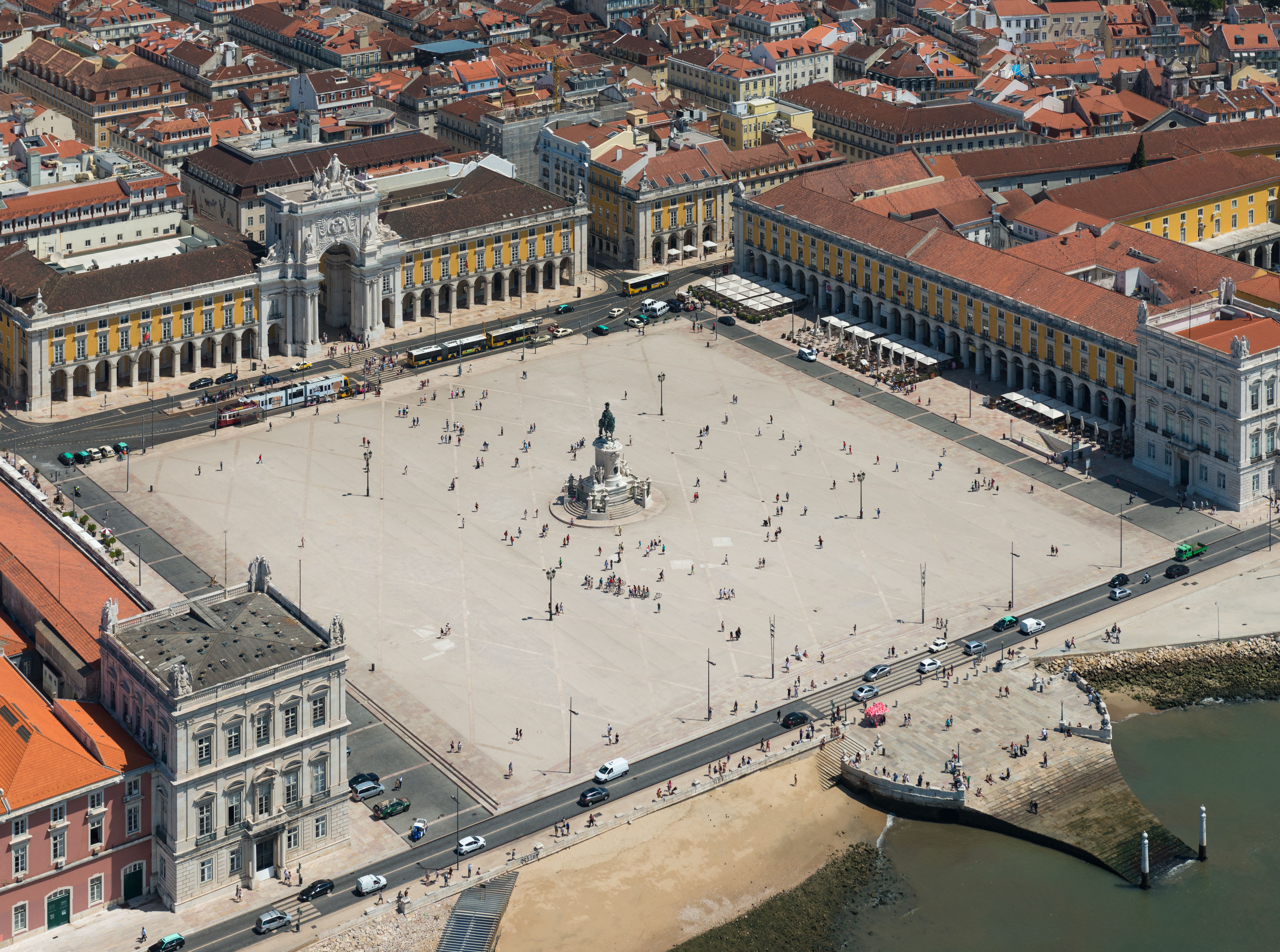
Lisbon is the capital and Portugal's biggest city, spread over hills above the Tagus estuary. It has the widest choice of sights: the lanes of Alfama and São Jorge Castle, the Baixa rebuilt after the 1755 earthquake, the viewpoints, and Belém, where the Jerónimos Monastery and the Belém Tower are on the UNESCO World Heritage list. Fado houses, Bairro Alto's bars and a large choice of restaurants make it the livelier of the two.
Pros:
- More sights, museums, restaurants and nightlife
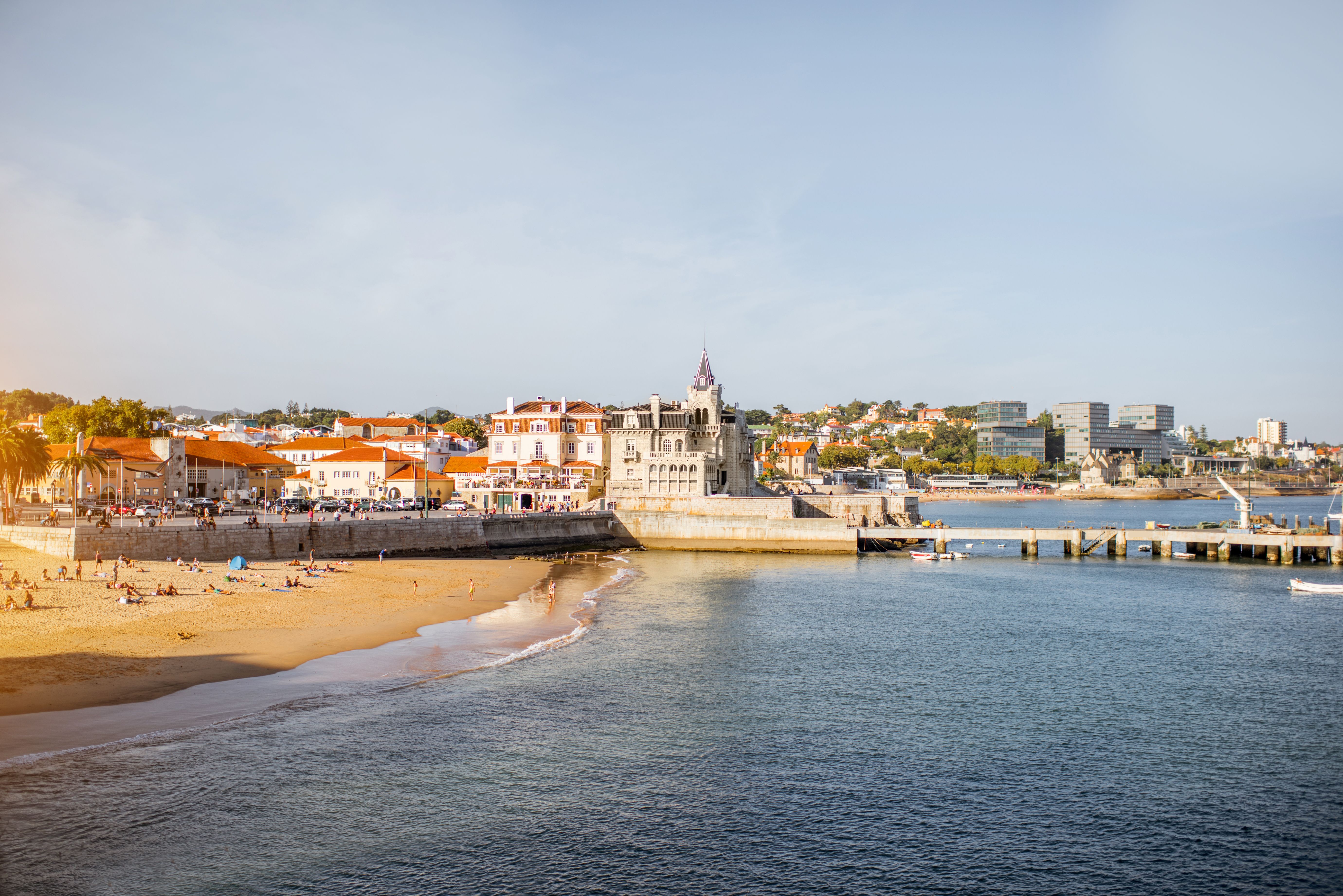
- Warmer and drier, with beaches close by in Cascais and the Costa da Caparica
- Easy day trips by train to Sintra and Cascais
- More international flights, as the country's main airport
Cons:
- Busier, especially in summer
- Steep hills and cobbled streets everywhere
- Hotels fill up early around big events and in high season

Porto: Pros and Cons
Porto, Portugal's second city, climbs the steep north bank of the Douro River. Its old Latin name, Portus Cale, is considered the origin of the name Portugal, and its historic center, with the Ribeira riverfront and the Dom Luís I Bridge, has been a UNESCO World Heritage Site since 1996. Across the river in Vila Nova de Gaia, the port wine cellars offer tours and tastings, and upriver, the Alto Douro, the first wine region in the world to be formally demarcated, in 1756, is on the UNESCO list since 2001.
Porto's landmarks include the São Bento station with its tile panels, the Clérigos Tower and the Livraria Lello, a bookshop opened in 1906 and famous for its red staircase, where entry is by ticket.
Pros:
- Compact and walkable, with most sights close together
- Port wine cellars in the city and the Douro Valley nearby
- A calmer pace than Lisbon
- Great traditional food, from francesinha to tripas
Cons:
- Cooler and much wetter, especially from November to February
- Colder sea, so less of a beach destination
- Fewer international flights than Lisbon

Lisbon vs Porto, Category by Category
Sights and Culture
Winner: Lisbon. It has more monuments, museums and neighborhoods, plus Sintra on its doorstep. Porto has fewer big sights, but they are closer together and easier to see in two or three days.

Weather and Beaches
Winner: Lisbon. Lisbon is warmer and drier, and its sea reaches about 20°C (68°F) in summer, against 18 to 19°C (64 to 66°F) in Porto. Lisbon also has the better beaches nearby, along the Cascais line and the Costa da Caparica.
Food and Wine
A draw. Lisbon has the wider choice, from tascas to fine dining and international food. Porto wins for port wine, with the cellars of Vila Nova de Gaia across the river and the Douro vineyards nearby.

Nightlife
Winner: Lisbon. Bairro Alto and Cais do Sodré fill up every night with bars and clubs. Porto's nightlife is centered on a few streets downtown and along the river, at a smaller scale.

Getting There
Winner: Lisbon. Lisbon Airport handled 36.1 million passengers in 2025, more than twice Porto's 16.9 million, so it has more direct international routes. Porto has fewer, but it is well connected to cities across Europe.

Day Trips
A draw. From Lisbon, Sintra, Cascais and Évora are the classics. From Porto, the Douro Valley is one of the most beautiful trips in Portugal, and Guimarães and Braga are close.
Why Not Visit Both?
Lisbon and Porto are about 280 km apart, and the train between them takes about 2 hours 40 minutes to 3 hours 15 minutes, from Lisbon's Santa Apolónia or Oriente stations to Porto Campanhã. With five days or more, you can split your time between the two:
- 5 days: 3 days in Lisbon and 2 in Porto
- 7 days: 4 days in Lisbon, with a day in Sintra, and 3 in Porto, with a day in the Douro Valley
- 10 days or more: add a few beach days in the Algarve