Best Time to Visit Madeira by Month
The best time to visit Madeira: weather by month, rain, sea temperature and sunshine, plus festivals, whale watching, hiking and beach season.
January 28, 2020 • 10 min read
Best Time to Visit Madeira by Month
Best Time to Visit Madeira at a Glance
Madeira Weather Month by Month
Averages for Funchal, on the south coast, from the 1991 to 2020 climate normals of the Funchal Observatory (IPMA). Rain days are days with at least 1 mm of rain. Sea temperatures and sunshine hours are long-term averages for Funchal.
What the numbers tell you:
- Temperature barely changes. There are only about 7°C (13°F) between the average high in February and in August.
- Rain is seasonal. June to August are almost dry in Funchal, while October to February bring most of the year's rain.
- The sea lags behind the air. It is coolest, around 18°C (64°F), from January to April and warmest, around 24°C (75°F), in September.
Microclimates: Why the Forecast Depends on Where You Are
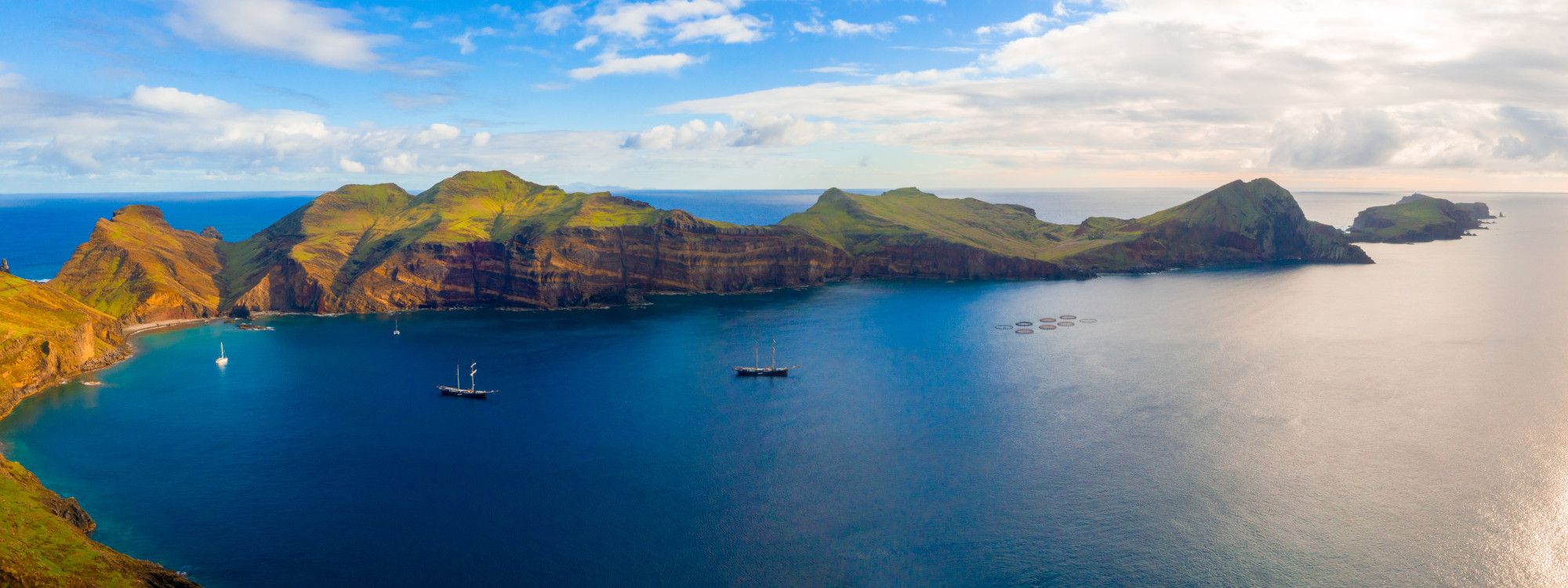
These figures are for Funchal. Madeira is mountainous, and the weather changes with altitude and with the side of the island. The south coast, around Funchal, Câmara de Lobos and Calheta, is the warmest and driest. The north coast, around Porto Moniz, São Vicente and Santana, is greener and wetter. The high peaks, such as Pico do Arieiro and Pico Ruivo, are much colder than the coast and often in or above the clouds. It can be raining in the north and sunny in Funchal on the same day, so check the forecast for the exact place you are heading.
Madeira by Month
January
Mild and quiet after New Year, with about 20°C (68°F) by day and 14°C (58°F) at night. It is one of the wetter months, but often with long sunny spells. A good month for winter sun and low-key city breaks, and the Christmas lights stay on until early January.
February
The coolest month on the coast, with about 20°C (68°F) by day and 14°C (57°F) at night. Carnival usually falls in February, with allegorical parades and street parties in downtown Funchal. The sea is at its coolest, around 18°C (64°F).
March
Spring begins, with about 21°C (69°F) by day and 14°C (58°F) at night. Some rain is still likely, but the island is green and the hiking season opens up. In some years, Carnival falls in early March.

April
A favorite month, with about 21°C (70°F) by day and 15°C (59°F) at night and less rain. Flowers are in bloom, and the Flower Festival usually starts at the end of the month. Easter can make it busier.
May
One of the best months to visit, with about 22°C (72°F) by day, 16°C (61°F) at night and rain on only about three days. The Flower Festival runs through May in Funchal, with its big flower parade on the weekends. Good for hiking, sightseeing and the first swims.

June
Warm and almost dry, with about 24°C (75°F) by day and 18°C (65°F) at night. The Atlantic Festival brings music to Funchal and the International Fireworks Contest over the bay on Saturday nights.
July
Summer proper, with about 25°C (78°F) by day and 20°C (67°F) at night and almost no rain. Peak season for beaches, boat trips and swimming, and one of the busiest months.
August
The warmest month, with about 27°C (80°F) by day and 21°C (69°F) at night and around eight hours of sunshine a day. Book flights, hotels and rental cars early. The Madeira Wine Festival begins in late August.
September
Still summer-warm, with about 27°C (80°F) by day, a sea at its warmest, around 24°C (75°F), and fewer crowds than August. The Wine Festival continues into mid-September with harvest events, and Porto Santo celebrates the Columbus Festival late in the month. Excellent for swimming and hiking.
October
Warm and less crowded, with about 25°C (77°F) by day and 19°C (67°F) at night. The rainy season starts, with rain on about seven days, but the sea is still warm. The Madeira Nature Festival takes place in early October.

November
Mild and quiet, with about 23°C (73°F) by day and 17°C (63°F) at night, but one of the wetter months. Good value and fewer visitors, with plenty of dry days for walks between showers.

December
Festive and mild, with about 21°C (70°F) by day and 16°C (60°F) at night and rain on about nine days, the wettest month. Funchal's Christmas lights go on on December 1, and the year ends with the New Year's Eve fireworks over the bay.
Madeira by Season
Best Time for Each Activity
Hiking and Levada Walks
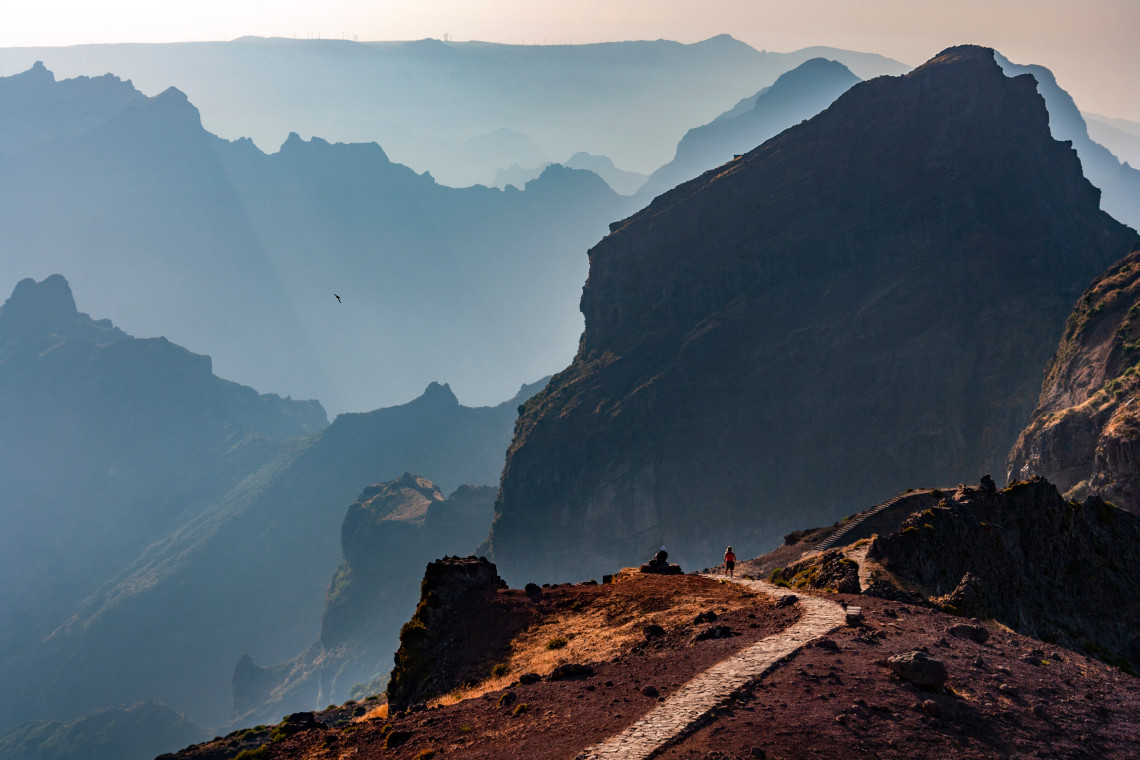
April to June and September to early October are the best months: mild, with drier paths. Summer works too, but start early to avoid the heat on exposed trails. In winter, trails can be muddy, and some are closed after heavy rain or storms. Check the official trail status before you go, and remember that the mountains are much colder than Funchal.
Beaches and Swimming
July to October, when rain is rare and the sea is at its warmest, around 22 to 24°C (72 to 75°F). Madeira has few sandy beaches, so most swimming is in natural lava pools, such as Porto Moniz, at lidos or on pebble beaches. For a long sandy beach, take the ferry or a short flight to Porto Santo.
Whale and Dolphin Watching
Possible all year, as several species of dolphins and whales live around Madeira or pass through its waters. Spring to autumn brings the widest variety and the calmest seas, which makes the boat trip more comfortable.
Festivals and Events
Madeira's main festivals follow the same pattern every year. Exact dates change, so check the official calendar before you book.
When Is the Cheapest Time to Visit Madeira?
Demand is usually lowest in November and from January to March outside Carnival and Easter, the best months to look for value. The busiest and most expensive periods are July and August, Easter, the Flower Festival and the week from Christmas to New Year, so book early for any of those.
Good to Know Before You Go
- Madeira is in Portugal. It is an autonomous region of Portugal, not Spain, and uses the euro.
- Time zone. Madeira uses the same time as Lisbon and London: UTC+0 in winter and UTC+1 in summer, usually five hours ahead of New York.
- Getting there. Madeira is under two hours by plane from Lisbon, with direct flights from many European cities.
- Packing. Bring layers and a light rain jacket in any month, plus warm clothes if you plan to go up to the peaks.



