Madeira for Digital Nomads: Guide
The Ponta do Sol nomad village, where to base yourself, the D8 visa and what to do after work on Madeira.
September 27, 2021 • 4 min read
Madeira for Digital Nomads: Guide
Madeira for remote workers at a glance
The Digital Nomad Village in Ponta do Sol
In 2021, Madeira launched what it called Europe's first digital nomad village, in the sunny south coast town of Ponta do Sol. The project is run by the Regional Government through Startup Madeira, with community managers in Madeira and Porto Santo. A coworking space was set up at the John dos Passos Cultural Center, and according to the regional government more than 5,000 nomads from 121 countries joined in the first year or so. The program's own website said in 2025 that the project is still active, so check its current offer before you arrive.
Where to base yourself
- Funchal: the most apartments, cafés, coworking spaces and restaurants, and the hub for buses and tours.
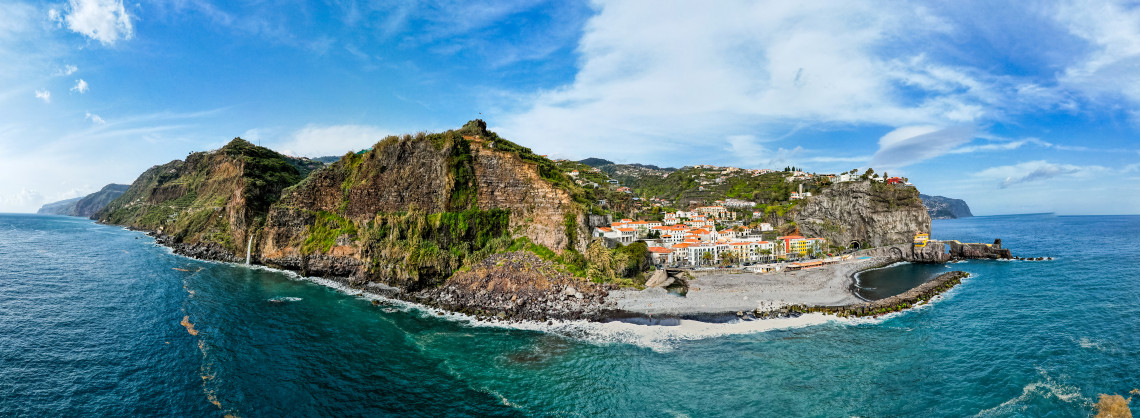
- Ponta do Sol: the original nomad village, small and sunny, best for meeting other remote workers.
- Calheta: quieter, with a sand beach and marina on the southwest coast.
Internet quality varies by building and area, and coverage can be patchy in the mountains. Ask hosts for a speed test before booking a long stay.
Do you need a visa?
EU, EEA and Swiss citizens can live and work in Madeira freely, as it is part of Portugal. Non-EU remote workers can apply for the D8 visa, which comes as a one-year temporary stay visa or a residence visa. The main requirements are:
- Monthly income from employers or clients outside Portugal of at least four times the Portuguese minimum wage.
- Proof that you can work remotely, such as an employer letter or client contracts.
- A Portuguese tax number (NIF), accommodation and health insurance.
- A criminal record certificate.
Rules change often, so confirm the current requirements with the Portuguese consulate that covers where you live, or with an immigration lawyer, before you apply.
Cost of living
Rent is the biggest expense, especially in Funchal, and long-term rentals are much better value than holiday lets. Local markets, cafés and public buses help keep everyday costs down. Prices change quickly, so compare current listings before you commit.

What to do after work
The reason many remote workers choose Madeira is what they can do outside office hours.
Best time to come
Madeira works all year. Spring and early autumn are good for combining work with hiking, and winter is mild on the coast. See the best time to visit Madeira and getting around Madeira.



