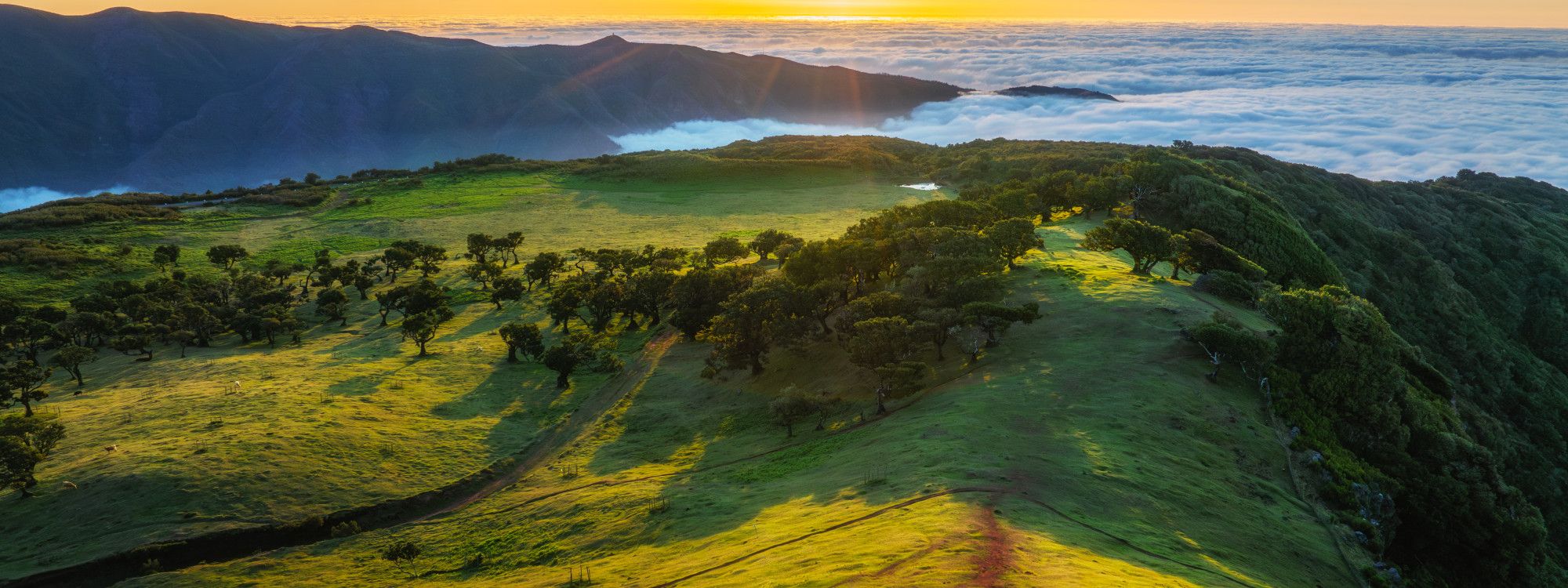
Madeira Travel Tips: What to Know
Currency, language, plugs, the tourist tax, 2026 hiking rules, buses, safety and what to pack: the essentials before you fly to Madeira.
January 28, 2020 • 5 min read
Madeira Travel Tips: What to Know
Madeira essentials at a glance
Money and payments
Madeira uses the euro, like mainland Portugal. Cards are accepted in most hotels, restaurants and shops, and Multibanco ATMs are easy to find in towns. Carry some cash for small cafés, markets and rural areas.
Tourist tax
Funchal charges a municipal tourist tax per person per night, for up to seven nights, collected by your hotel or rental host. In October 2026 the city council approved doubling it, with collection of the new rate expected from January. Some other municipalities, such as Santa Cruz and Porto Santo, also charge one, and cruise passengers landing in Funchal pay a separate fee. Check the current rate with your accommodation.

Language
The official language is Portuguese. English is widely spoken in hotels, restaurants and tourist areas. A few words go a long way: bom dia (good morning), obrigado or obrigada (thank you) and por favor (please).
Power, plugs and internet
Sockets are European type C and F, at 230V and 50Hz. Bring an adapter if your plugs are different, and check that your devices are dual voltage. Wi-Fi is common in hotels and cafés. EU travelers can usually use their mobile plan at no extra cost under EU roaming rules; others should check with their provider or buy a local SIM or eSIM.
Hiking rules in 2026
Since 1 January 2026, all classified PR trails require a reservation on the regional SIMplifica platform, with 30-minute entry slots, and visitors pay an access fee. Guided hikers need a reservation too, so check whether your tour includes it. Trails close after storms and landslides, so check the official open and closed list. Read the best hikes in Madeira for details.

Getting around
Since July 2024, public buses run under the SIGA network, with one route planner for all operators. The Aerobus connects the airport with Funchal. Ride-hailing is limited by regional rules, so taxis are often the easier choice, and a rental car is the most flexible way to see the island. Read getting around Madeira and driving in Madeira.
Safety
Most visitors find Madeira relaxed and easy to travel. The main risks come from nature: levada paths can be narrow, wet and exposed, mountain roads are steep and winding, and the sea can be rough with strong currents, especially in winter. Stay on marked paths, drive slowly and swim in supervised areas or natural pools when the sea is rough.

What to pack
- Walking shoes with good grip for levadas
- A light rain jacket, as weather changes quickly in the mountains
- Warm layers for Pico do Arieiro, which is much colder than the coast
- A flashlight for levada tunnels
- Swimwear and water shoes for rocky beaches and natural pools
- Sunscreen, sunglasses and a hat
- A type C or F plug adapter

Useful websites
- Visit Madeira: the official tourism site, with events and the trail status list.
- SIMplifica: the regional platform for trail bookings.
- SIGA: bus routes and timetables.
- IPMA: the official Portuguese weather service, including warnings for Madeira.