Douro Valley: Port Wine Region Guide
The Douro Valley wine region near Porto: how far it is, how to get there, the best towns and quintas, its three sub-regions, the wines and when to go.
February 6, 2023 • 6 min read
Douro Valley: Port Wine Region Guide
The Douro Valley at a Glance
Why the Douro Is Special
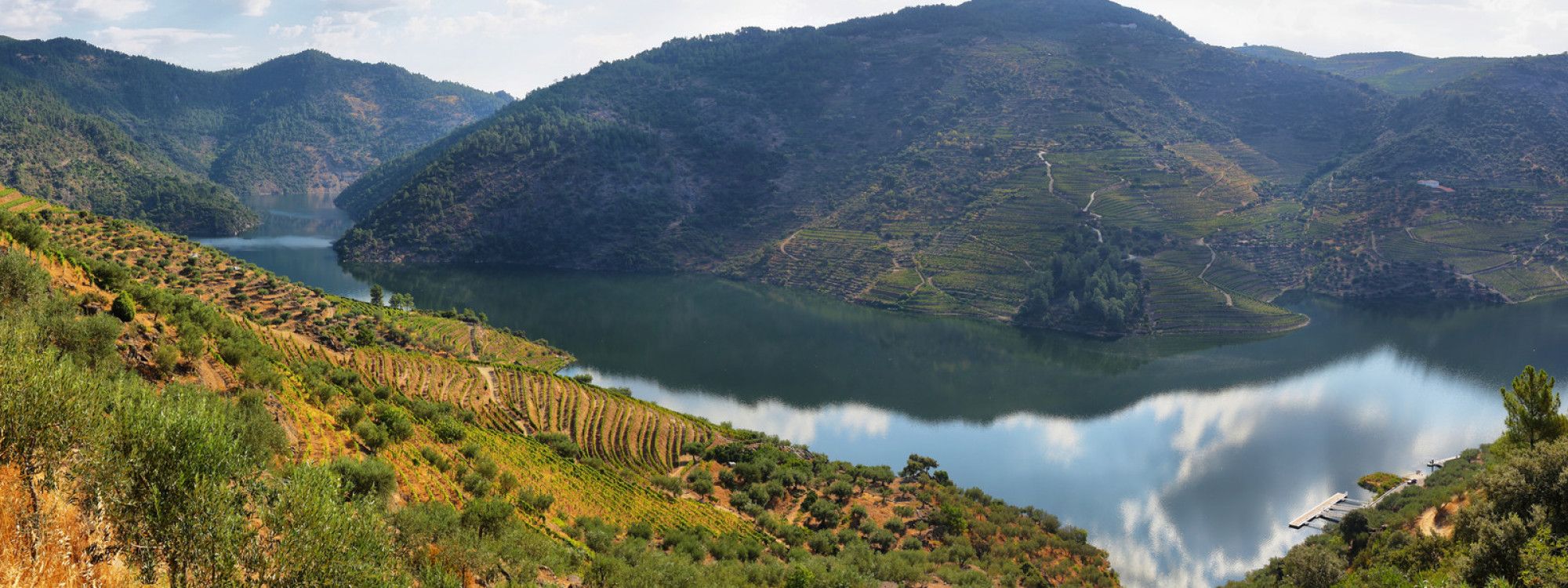
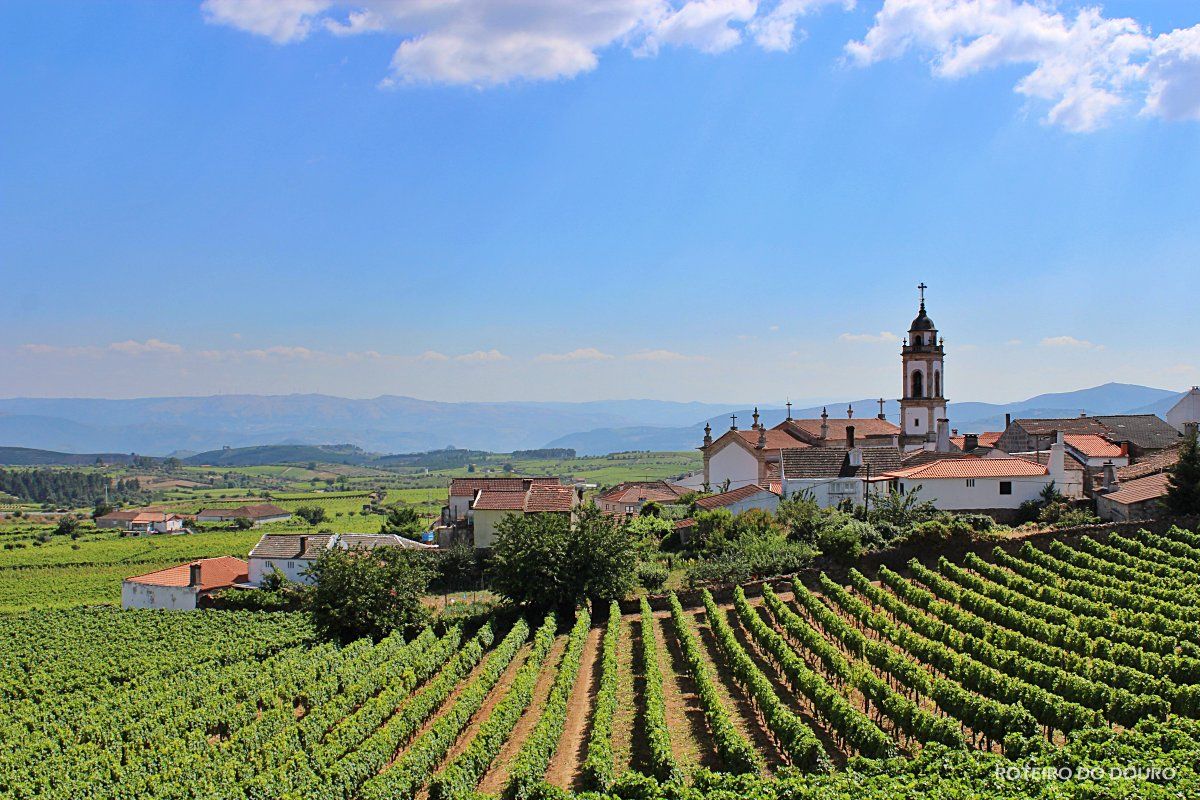
The Douro was the first wine region in the world to be formally demarcated, by a royal charter of September 10, 1756, to protect the quality of port. Over the centuries, the steep valley sides were cut into terraces by hand, creating the landscape UNESCO listed in 2001. The listed area alone covers about 24,600 hectares.
The wines owe their character to the land. Most port vineyards are planted on schist, and the Marão and Montemuro mountains shelter the valley from Atlantic winds, giving it hot, dry summers and cold winters. The main red grapes include Touriga Nacional, Touriga Franca and Tinta Roriz, and the whites include Malvasia Fina, Rabigato, Viosinho and Gouveio.

The Douro's Three Sub-Regions
How to Get to the Douro Valley from Porto
- By train. The Douro line leaves from Porto São Bento and follows the river for much of the way to Régua, Pinhão and Pocinho, about 3 hours 25 minutes to the end of the line. Heading east, sit on the right-hand side for the river views until just before Ferradosa. Tickets cannot be reserved and are bought at the station.
- By car. Take the A4 and A24 to Peso da Régua, then follow the N222 along the river to Pinhão.
- By boat. River cruises sail from Porto or Régua through the Douro's dams and locks.
- On a tour. A guided day trip from Porto takes care of transport and tastings, so nobody has to drive.
Douro Valley Towns
Peso da Régua
Régua is the valley's main town and transport hub, where many trains from Porto end. It is home to the Museu do Douro, the best introduction to the region's history and wine.
Pinhão
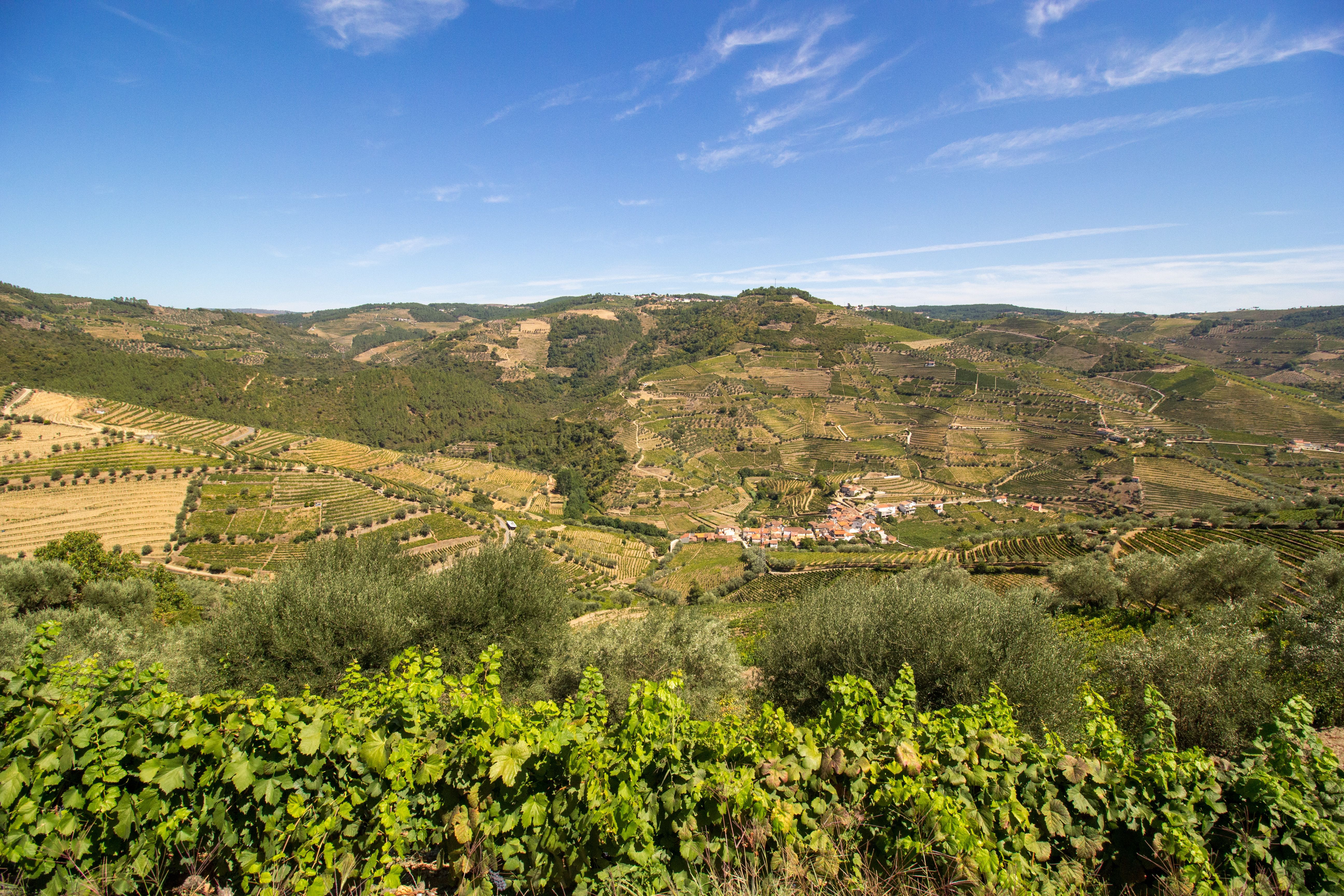
Pinhão, about 25 km upriver from Régua, sits in the heart of port country, surrounded by quintas. Its railway station is decorated with more than 3,000 azulejo tiles in 24 panels, installed in 1937, showing the harvest and the rabelo boats that once carried wine down to Gaia. Small boats offer one- or two-hour trips on the river, often with a glass of port.
Lamego
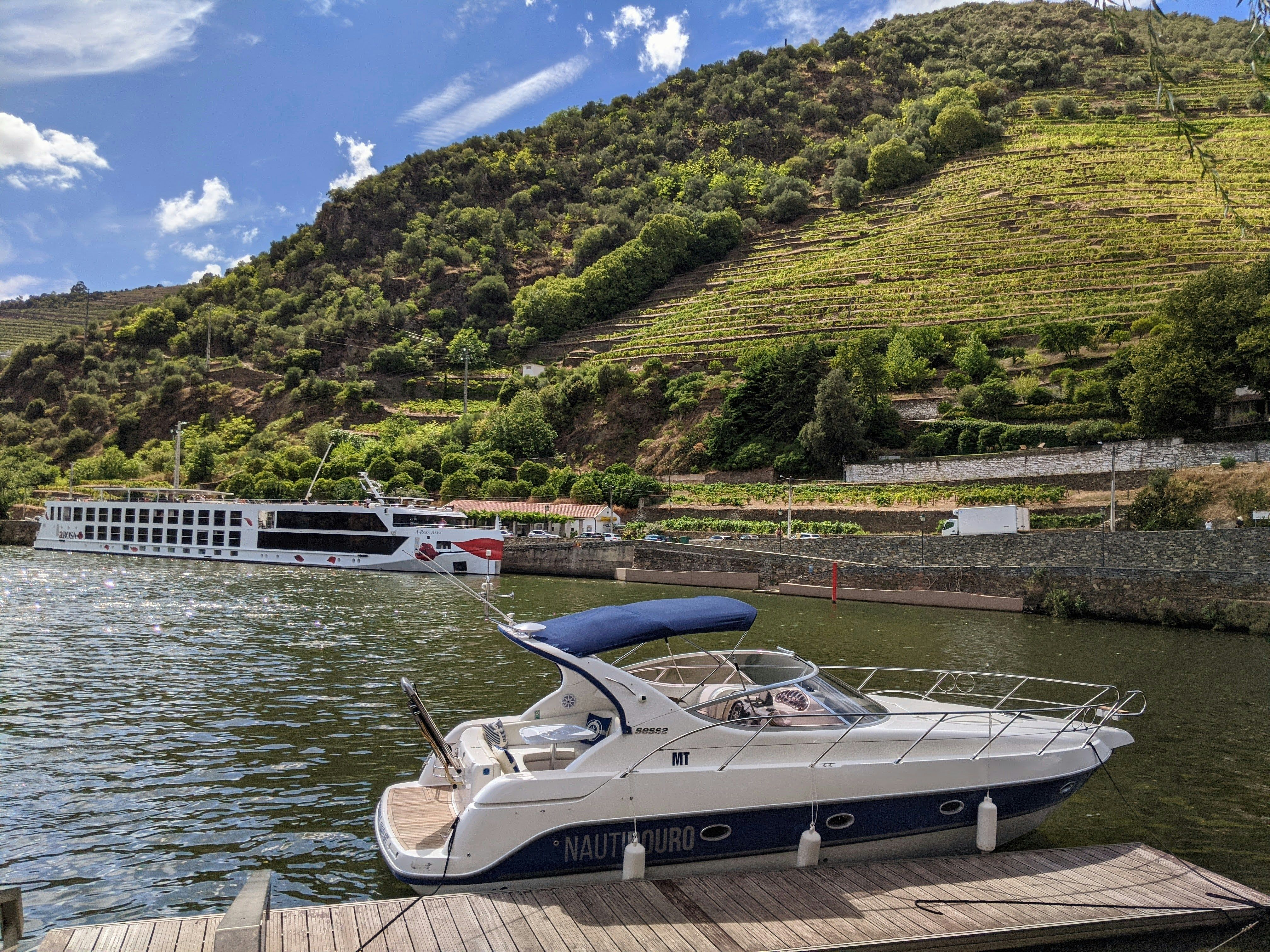
South of Régua, Lamego is known for the hilltop sanctuary of Nossa Senhora dos Remédios.
Favaios
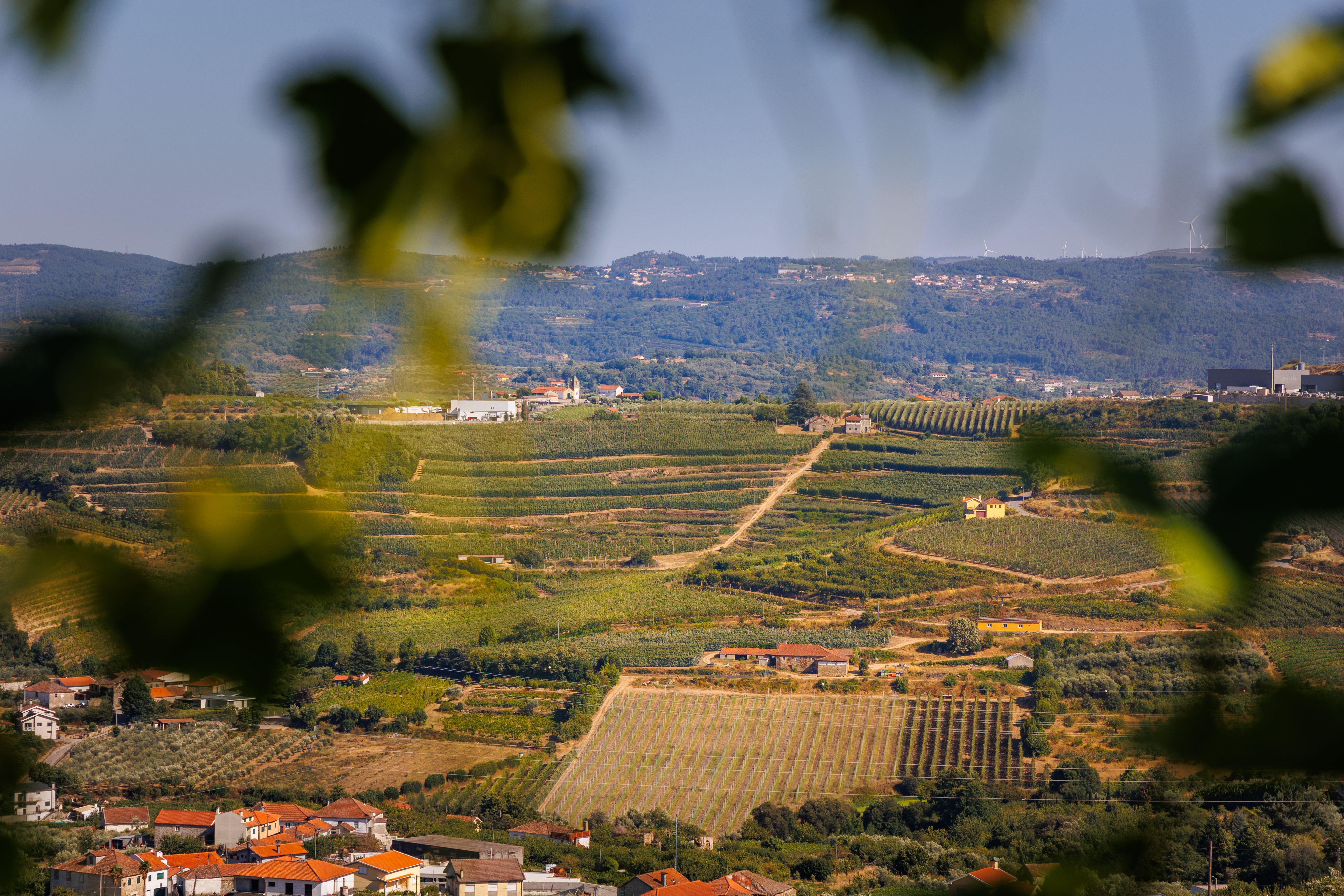
In the hills above Pinhão, Favaios is a wine village known for its Moscatel and its bread. At Quinta da Avessada, a full-day experience combines a classic car tour of the village, a visit to a traditional bakery and Moscatel tastings.
Quintas to Visit in the Douro Valley
Many quintas (wine estates) welcome visitors for tours, tastings and meals with a view. Around Pinhão, Quinta do Bomfim, Quinta das Carvalhas and Quinta da Roêda, home of Croft, all offer port and wine tastings. Book visits in advance, especially on weekends and during the harvest, and plan no more than two or three quintas a day.

Remember that the famous port lodges you tour in the city, such as Taylor's, Sandeman and Graham's, are in Vila Nova de Gaia, across the river from Porto. The wine is made in the Douro and was traditionally shipped downriver to age in Gaia. Both are worth visiting.
Douro Wines
- Port. The fortified wine that made the region famous, in styles from white and ruby to aged tawny and vintage.
- Douro DOC. Unfortified reds, usually full-bodied, and increasingly fine whites.
- Moscatel do Douro. A sweet fortified wine, made in villages such as Favaios.

Best Time to Visit
Douro Trips from Porto