Portugal Wine Regions: A Travel Guide
Portugal's 14 wine regions explained for travelers: the Douro, Vinho Verde, Alentejo, Dão, Madeira and more, when to go and how to plan a wine trip.
January 6, 2026 • 6 min read
Portugal Wine Regions: A Travel Guide
Portugal's 14 Wine Regions at a Glance
The Best Wine Regions to Visit
The Douro Valley
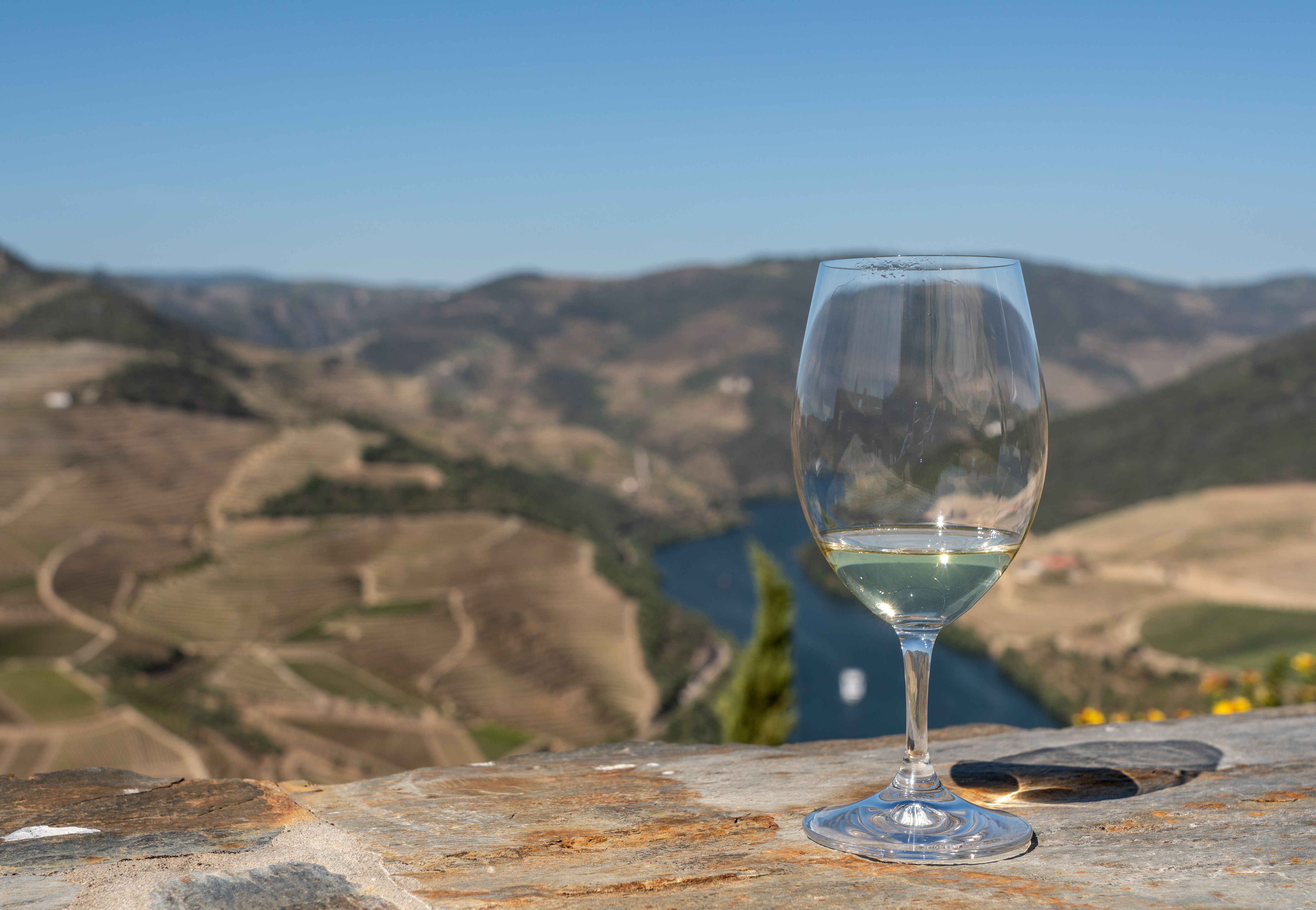
The Douro was the world's first formally demarcated and regulated wine region, in 1756, and the Alto Douro has been a UNESCO World Heritage Site since 2001. Its terraced vineyards line the river east of Porto, and the region makes both port and some of Portugal's best unfortified reds. Some wineries still tread grapes by foot in stone lagares. Visit quintas for tastings, take the train along the river or join a river cruise from Porto.
In Porto itself, the port wine cellars are in Vila Nova de Gaia, across the Douro from the Ribeira, so you can start tasting before you reach the valley.

Vinho Verde
Vinho Verde covers the green, rainy northwest of Portugal, with nine sub-regions. It is known for light, fresh whites, and Alvarinho is the specialty of Monção and Melgaço, near the Spanish border. Vinho Verde reds exist too, and are traditionally served chilled. The region is easy to combine with Porto, Braga and Guimarães.
The Alentejo
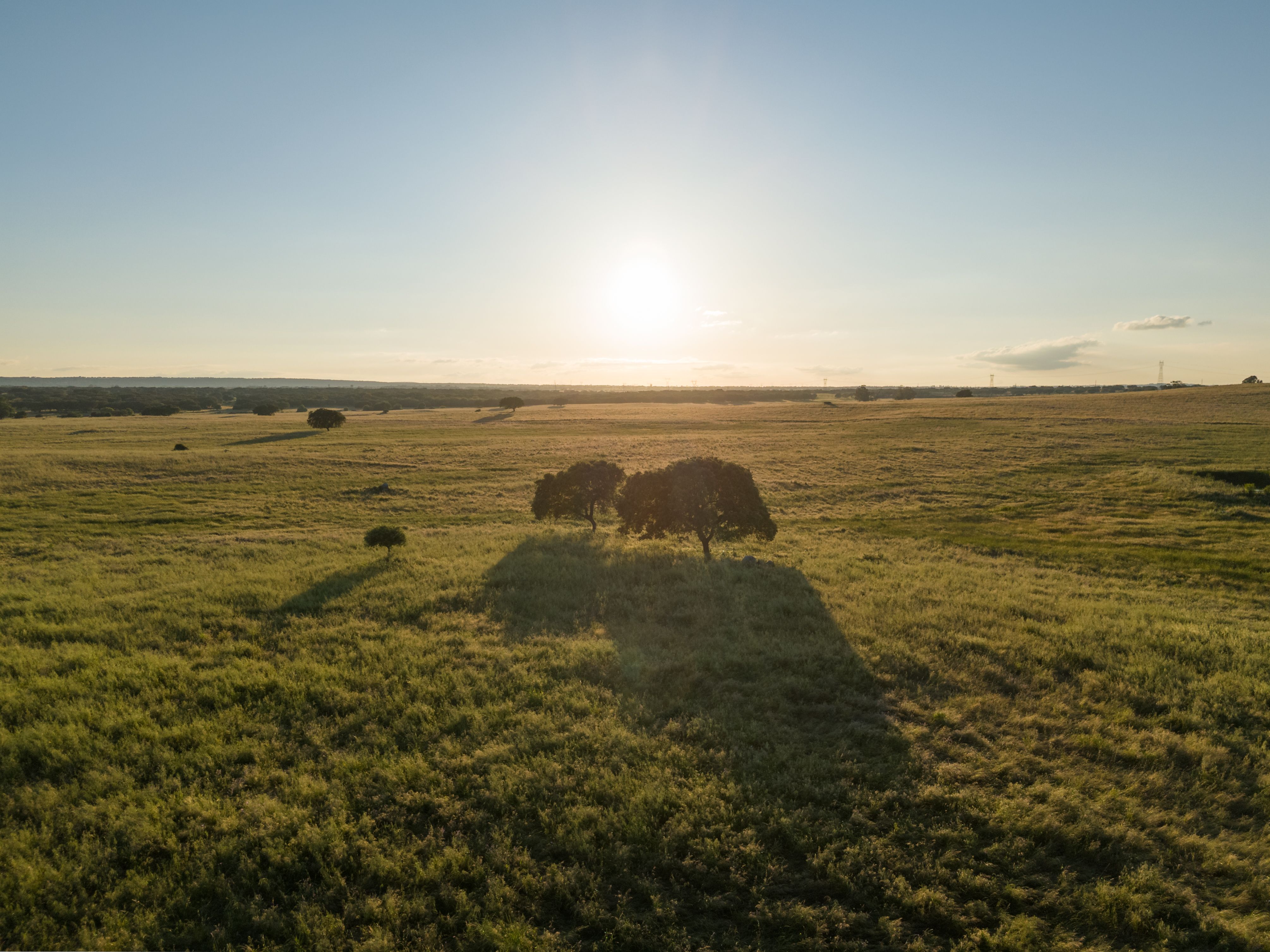
The Alentejo is a vast region of rolling plains, where only about 5% of the land is planted with vines. Its wines are generous and fruity, and many estates around Évora welcome visitors. It is also cork country: Portugal has about 720,000 hectares of montado, the cork oak landscape typical of the Alentejo, about a third of the world's cork oak area.
Dão and Bairrada
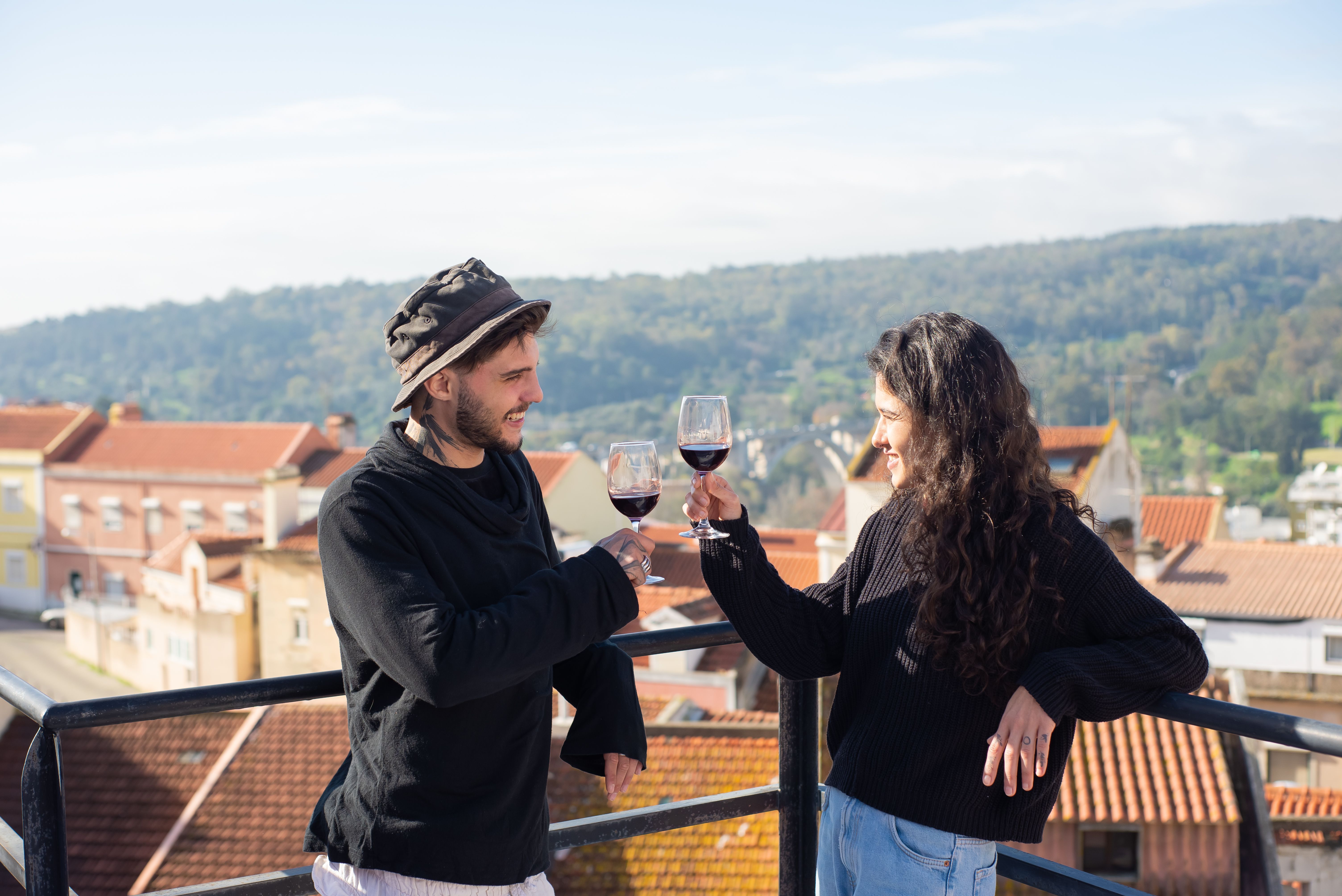
In central Portugal, the Dão is sheltered by mountains, and its reds are led by Touriga Nacional, with Encruzado for whites. Nearby, Bairrada is the home of the Baga grape and makes about 65% of Portugal's sparkling wine. It is also known for leitão, roast suckling pig, which locals pair with Bairrada sparkling wine. Both are easy to reach from Coimbra.
Lisboa and Setúbal
The Lisboa region has nine DOCs, more than any other region in Portugal. Bucelas is known for Arinto whites, and near Sintra, Colares is Portugal's westernmost appellation, where ungrafted vines grow in sand dunes that the phylloxera pest could not survive. South of Lisbon, the Península de Setúbal is famous for Moscatel de Setúbal, a sweet fortified wine.
Madeira and the Azores
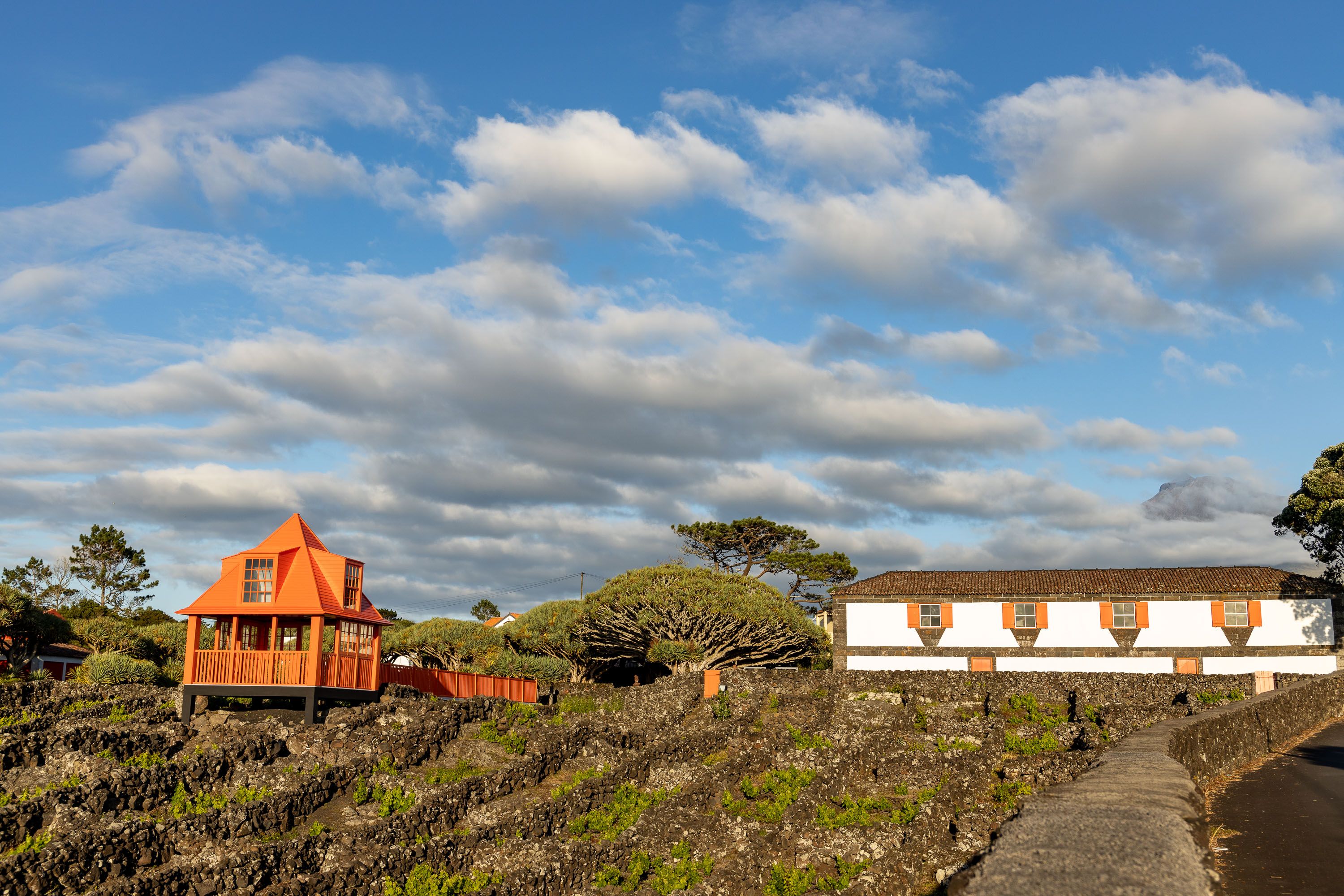
Madeira is known for its fortified wine, from dry Sercial to sweet Malmsey, and Funchal has wine lodges where you can taste them. In the Azores, vines grow in volcanic stone enclosures called currais, and the Landscape of the Pico Island Vineyard Culture has been a UNESCO World Heritage Site since 2004.
The Algarve
Better known for beaches, the Algarve also has four DOCs, Lagos, Portimão, Lagoa and Tavira, and a growing number of wineries open for tours and tastings, an easy add-on to a beach holiday.
When to Go
The Douro harvest runs from September to October, and some quintas invite visitors to pick grapes and tread them in the lagares. Book harvest experiences well ahead.
Tips for a Wine Trip in Portugal
- Do not drink and drive. Book a tour, a driver or a river cruise, or stay at a quinta so you can taste without driving.
- Book tastings in advance. Many smaller estates only open by appointment.
- Combine wine with food. Each region has dishes that go with its wines, from leitão in Bairrada to fresh fish with Vinho Verde.
- Try the native grapes. Look for Touriga Nacional, Baga, Alvarinho, Arinto and Encruzado, which you rarely find outside Portugal.
Portugal is also one of the world's biggest wine drinkers: according to the International Organisation of Vine and Wine, it led the world in 2024 with 61.1 liters per person.