Madeira History and Culture: A Guide
Madeira history and culture: the 1419 discovery, the sugar and wine eras, a timeline of key dates, embroidery, wickerwork, festivals and island life.
January 28, 2020 • 5 min read
Madeira History and Culture: A Guide
Madeira History at a Glance
How Madeira Was Formed
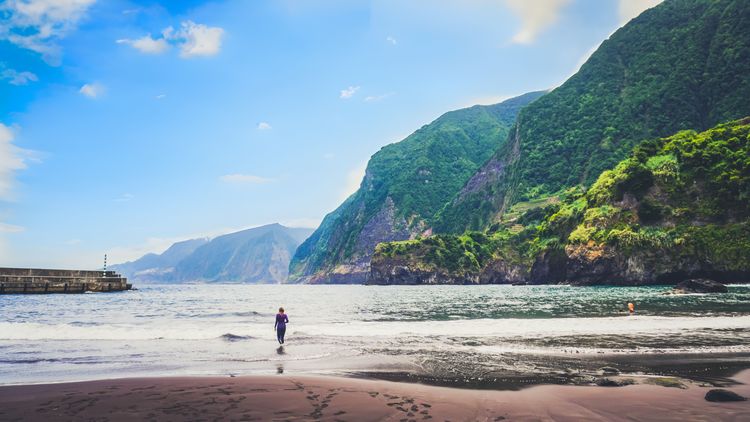
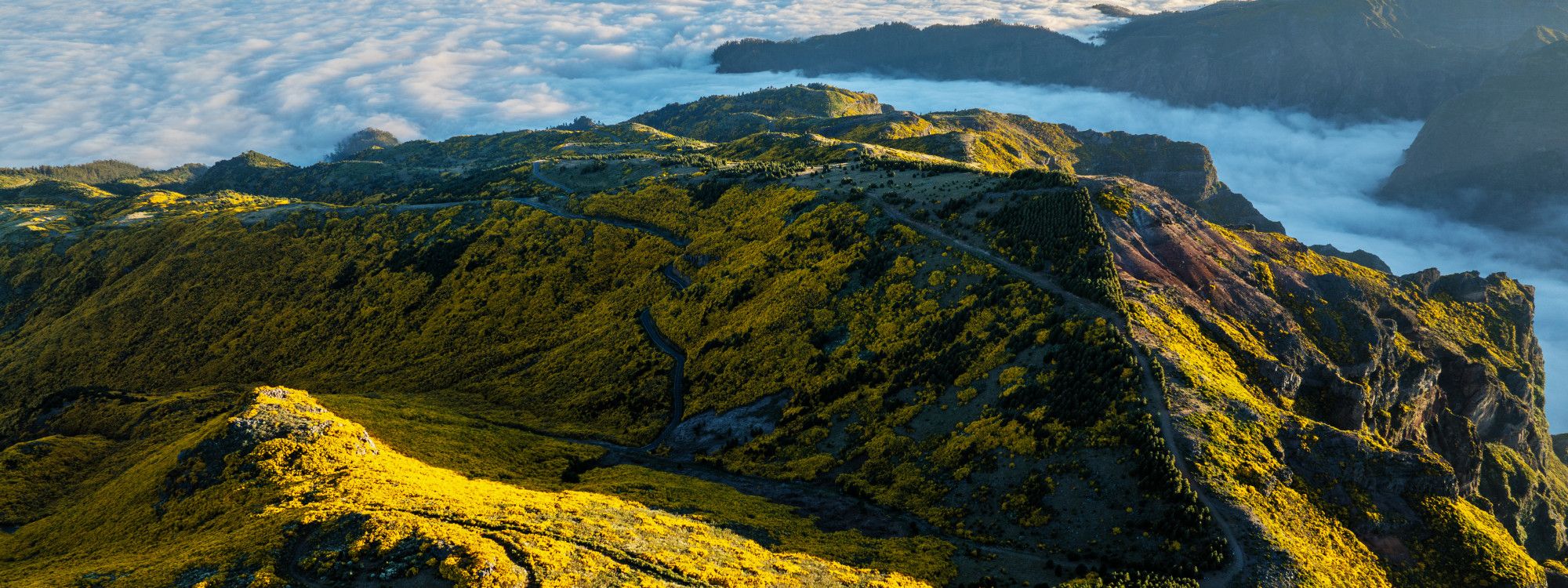
Madeira is volcanic, built up over millions of years by eruptions rising from the Atlantic seabed. That is why the island is so steep, with peaks rising to 1,862 m at Pico Ruivo, deep valleys and a coastline of sea cliffs and lava pools. When the Portuguese arrived, it was covered in dense laurel forest, part of which survives as the Laurisilva, a UNESCO World Heritage Site.
Discovery and Settlement
Navigators led by João Gonçalves Zarco sighted Porto Santo in 1418 and reached Madeira the following year, with Tristão Vaz Teixeira and Bartolomeu Perestrelo. They found an uninhabited island thick with woodland and named it Madeira, the Portuguese word for wood. Funchal took its name from the wild fennel, funcho, that grew there. Settlement began in the 1420s, and the island was divided into captaincies, with Zarco in Funchal and Teixeira in Machico.
Sugar, the "White Gold" Era
In the 15th and 16th centuries, Madeira grew rich on sugarcane, so valuable that it was called white gold. The trade drew merchants from across Europe, including a young Christopher Columbus, who came to buy sugar and married the daughter of Porto Santo's captain. Funchal's coat of arms still shows five sugar loaves. Competition from Brazilian sugar from the 1530s onward ended the boom.
Madeira Wine and the British
Wine replaced sugar. After the marriage of Catherine of Braganza to Charles II of England in 1662, British merchants settled in Funchal and built up the trade in Madeira wine, a fortified wine aged with heat that could survive long sea voyages. Britain even occupied the island during the Napoleonic Wars. You can still taste that history in the wine lodges of Funchal.
Tourism and the Modern Island
From the late 19th century, visitors from northern Europe came to Madeira for its mild winters, and Reid's hotel opened in 1891. In the 20th century, many Madeirans emigrated to South America, the US and beyond. The airport opened in 1964, and after Portugal's 1974 revolution, Madeira gained political autonomy in 1976, with its own regional government and parliament.
Culture, Crafts and Traditions
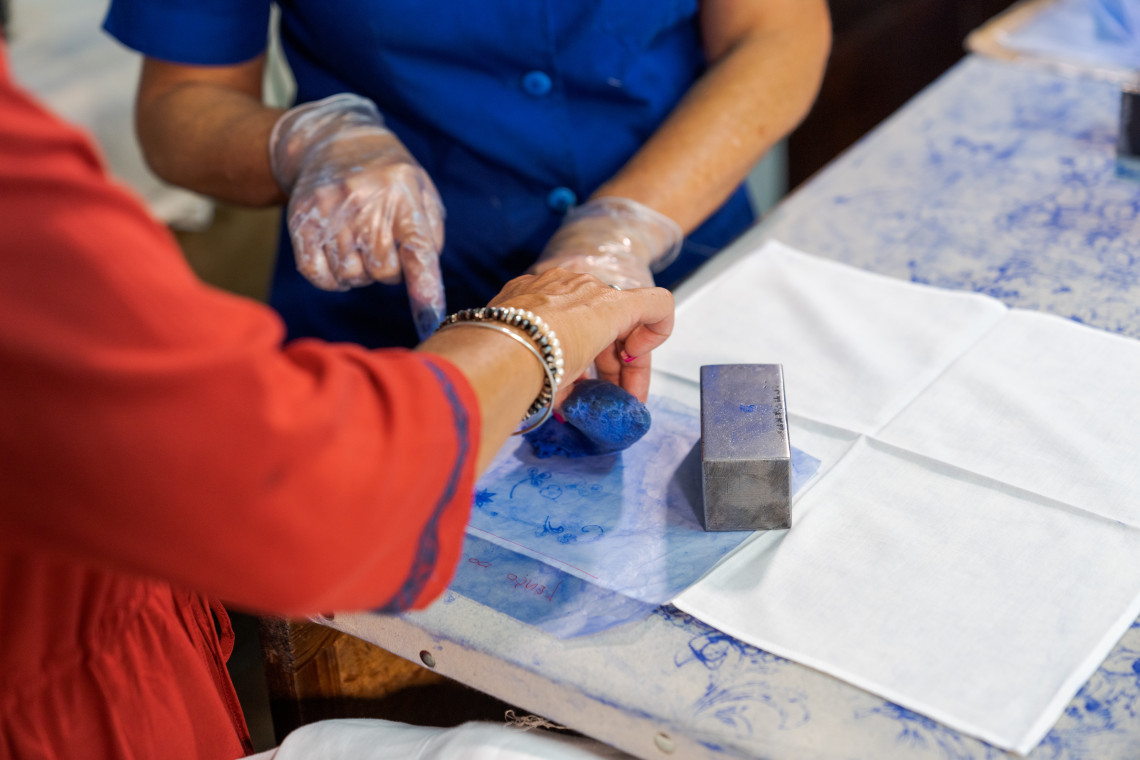
- Embroidery. Madeira's fine hand embroidery, bordado Madeira, has been made on the island since the 19th century and is still sold in Funchal.
- Wickerwork. The village of Camacha is the center of the island's wicker craft, from baskets to furniture, and the Monte toboggans are made of wicker too.
- Architecture. Look for the thatched A-frame houses of Santana, the tiled churches and the manor houses of the sugar and wine merchants.
- Music. The braguinha, a small Madeiran string instrument, is played at festivals and religious celebrations.
Festivals and Celebrations
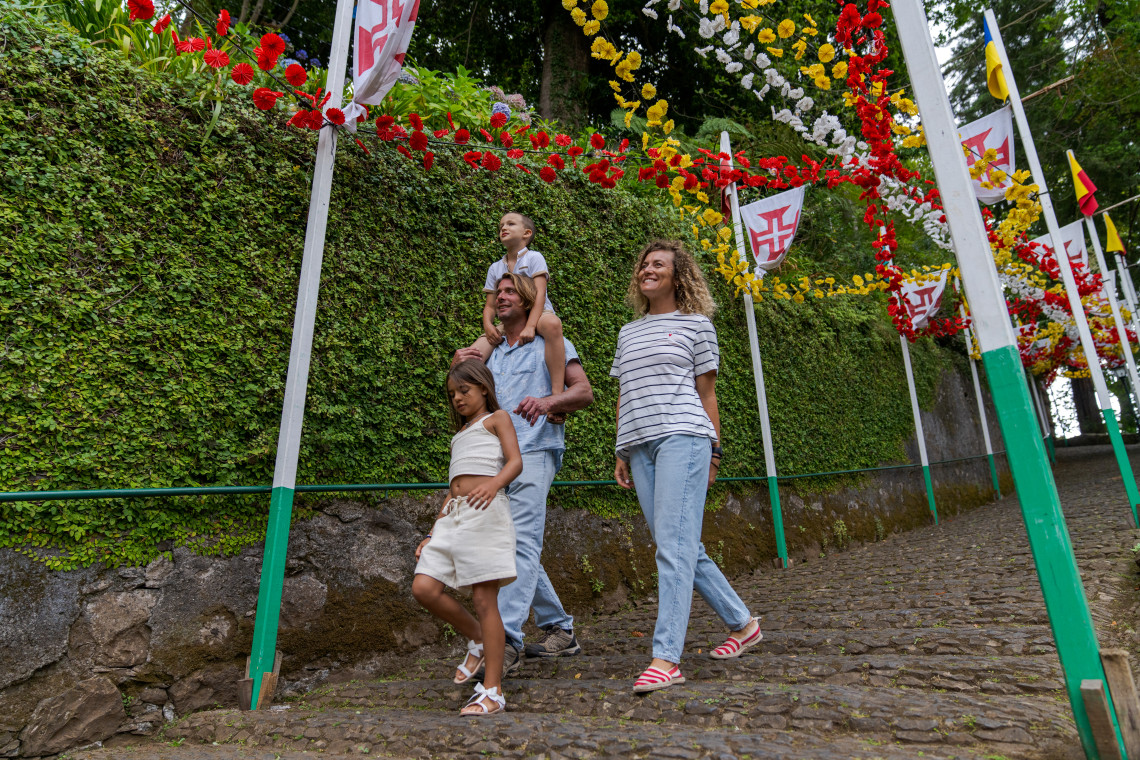
Madeira's calendar is full of color: Carnival in February, the Flower Festival in spring, the Atlantic Festival with its fireworks contest in June, the Wine Festival from late August, the Columbus Festival on Porto Santo in September and, above all, the New Year's Eve fireworks over Funchal Bay. Village arraiais, religious festivals with music, food and processions, fill the summer.
Where to See Madeira's History
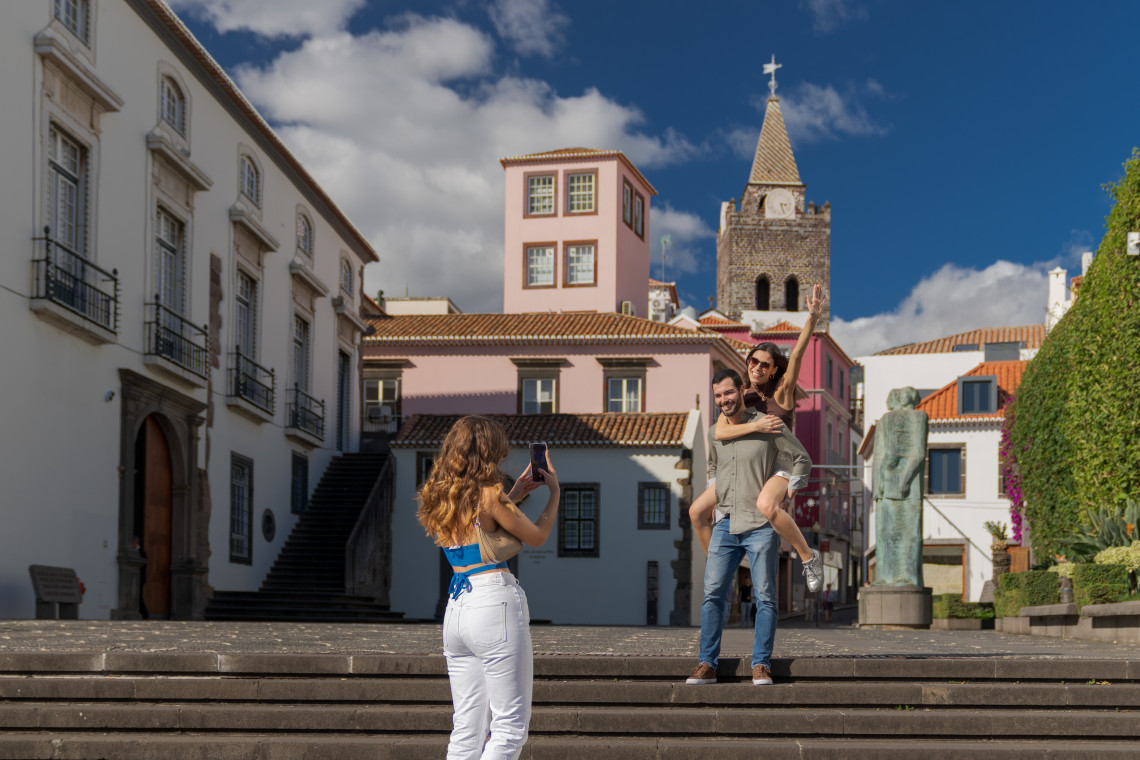
- Funchal Cathedral, inaugurated in 1514, with its carved cedar ceiling.
- The Old Town and the Fortress of São Tiago on the seafront.
- Machico, where the first settlers landed.
- The wine lodges of Funchal, for the story of Madeira wine.
- Porto Santo, with the Columbus House Museum.



