by Portugal Getaways Team
June 18, 2026 • 16 min read
Lisbon is one of those rare cities that rewards you however long you stay. Three days gives you the highlights, four lets you breathe, and five starts to feel like you live there. Whether you're working with a long weekend or a full week, this itinerary will help you make every day count, with local knowledge, honest timing, and a few things the generic guides tend to miss.
This guide is built around 5 days in Lisbon, with clear suggestions for how to trim it to 3 or 4 days if your trip is shorter. Use it as a framework, not a rigid schedule. Lisbon is best explored at your own pace.
Ready to book your Lisbon trip? Browse our Lisbon vacation packages — flights, hand-picked hotels, and local expert support all included.
Before You Go: A Few Things to Know
Lisbon is a hilly city, and comfortable shoes are non-negotiable. The historic neighborhoods of Alfama, Graça, and Mouraria involve a lot of uphill walking on cobblestones, and even "flat" routes tend to have more gradient than they appear on a map.
The city is also very liveable once you stop trying to rush it. Lunches last two hours. Sunset at a miradouro is an event, not a photo opportunity. The best Fado you'll hear won't be in a restaurant with a €50 menu. It'll drift out of a window in Alfama on a Tuesday afternoon.
- Best time to visit: March–May and September–October for mild weather and fewer crowds. July and August are beautiful but busy and expensive.
- Getting around: Metro and buses for longer distances, walking for everything in the historic center. Avoid Tram 28 for actual transport as it's overcrowded. Use it once for the experience, then switch to Bus 737.
- Book in advance: Jerónimos Monastery, Pena Palace in Sintra, and popular restaurants fill up quickly in peak season. Sort tickets before you arrive.
- Cash vs. card: Most places accept cards, but smaller tascas and market stalls often prefer cash. Have €50–€100 in cash available.
Good to know: Lisbon runs on a relaxed schedule. Dinner before 8pm is unusual for locals. The best atmosphere in restaurants kicks in around 8:30–9pm. Plan accordingly.
Day 1: Alfama, São Jorge Castle & the Tagus Riverfront
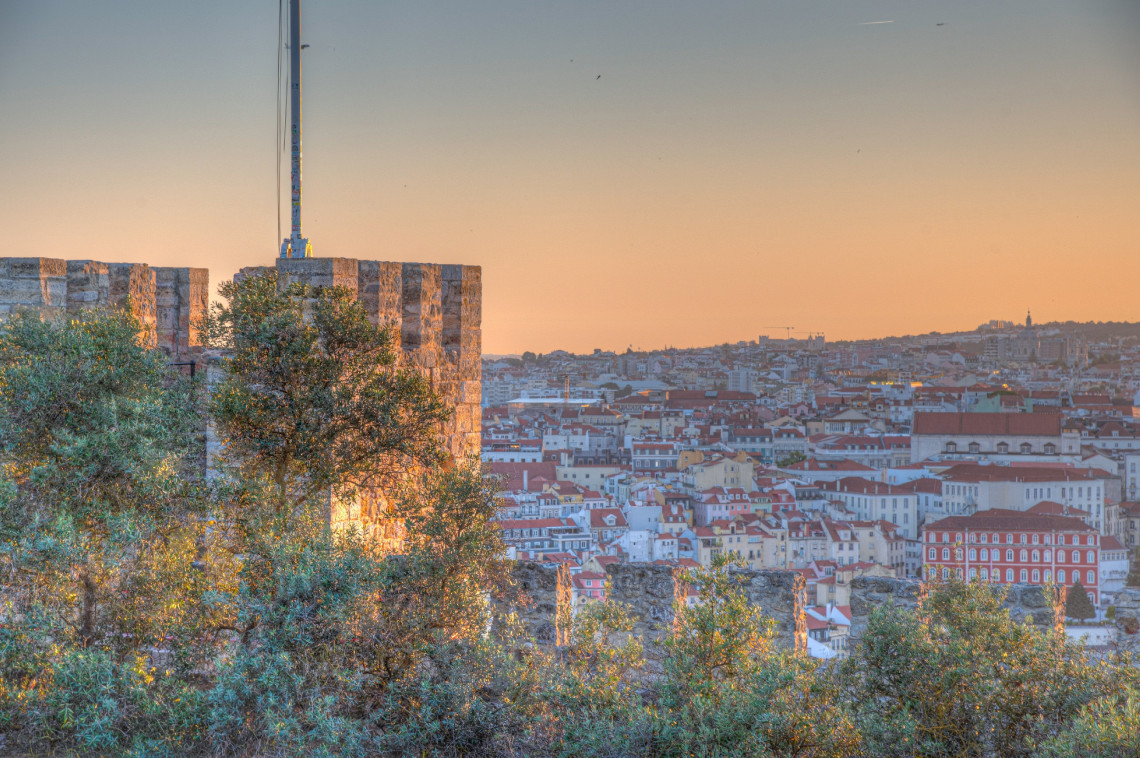
Start where Lisbon started. Alfama is the city's oldest neighborhood, a Moorish district of white-washed houses, terracotta rooftops, and steep lanes that have barely changed in centuries. Morning is the best time to explore before the tour groups arrive.
Morning: Alfama and São Jorge Castle
Begin at the Miradouro das Portas do Sol for your first view over Alfama and the Tagus. From here, walk up to São Jorge Castle , arriving early (it opens at 9am) to beat the crowds and enjoy the battlements almost to yourself. The views from the towers are exceptional, and the resident peacocks wandering the grounds are a genuinely delightful surprise.
After the castle, wind your way back down through the lanes of Alfama. Get deliberately lost. This is the point. Look for the Largo das Portas do Sol square, the Igreja de Santo António (birthplace of Saint Anthony, Lisbon's patron saint), and the Sé Cathedral, the oldest church in the city, founded in 1147.
Lunch
Before heading to lunch, make a stop for a pastel de nata at Manteigaria on Praça de Luís de Camões in Chiado. In blind taste tests between locals, this consistently beats even the famous Pastéis de Belém on custard flavour. Get them warm; that's non-negotiable.
For lunch, try a bifana , the quintessential Portuguese street sandwich, with thin slices of pork marinated in white wine, garlic, and paprika, served in a soft roll with mustard and piri-piri sauce. As Bifanas do Afonso in Baixa always has a queue; it moves fast and it's worth it. Alternatively, head to the Mercado da Ribeira (Time Out Market) for a wider spread. It's touristy, yes, but the quality is good and the variety is hard to match.
Afternoon: Chiado, Baixa and the Tagus Riverfront
Head down from Alfama into Chiado and start with Igreja de São Roque, one of the most underrated churches in Lisbon. From the outside it looks completely plain, almost unfinished, but step inside and it's one of the most dazzling interiors in Portugal: gold, marble, hand-painted tiles, and semi-precious stones covering every surface. Free to enter, and almost always quiet.
A short walk away, the Convento do Carmo is a Gothic convent destroyed in the great earthquake of 1755 and never rebuilt. What remains is an extraordinary open-air ruin of arches and pillars with the sky above. One of the most atmospheric spots in Lisbon, and rarely crowded.
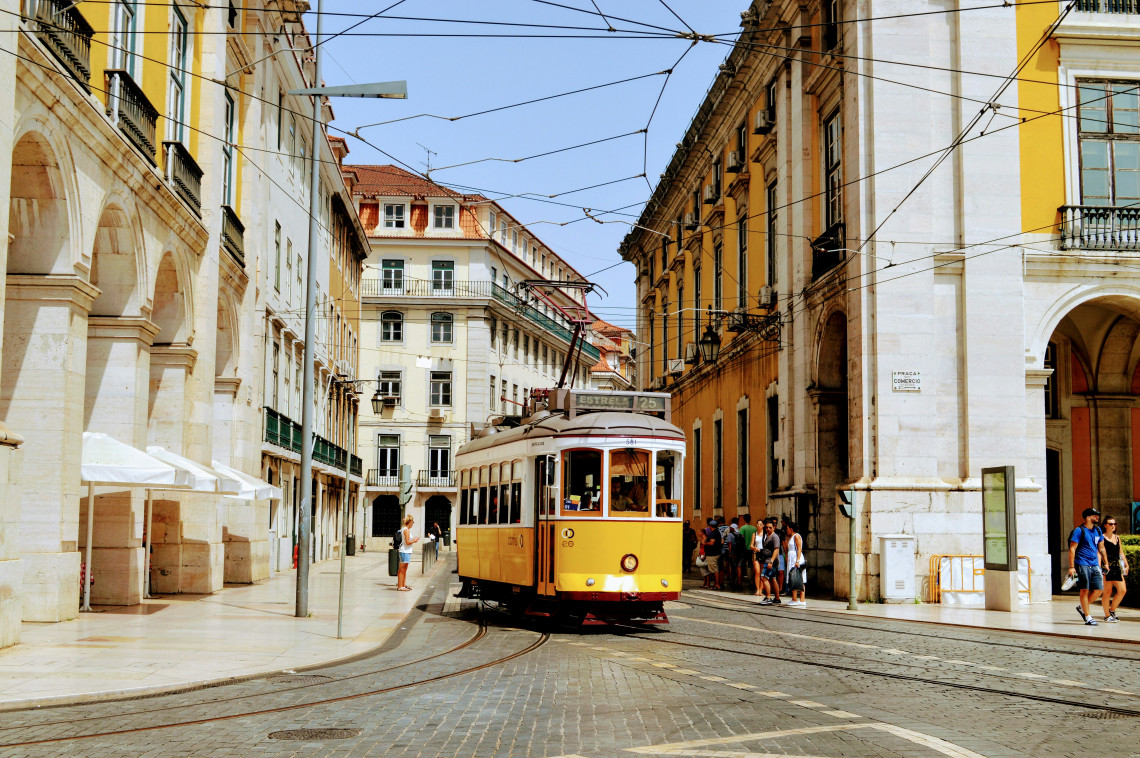
From Chiado, walk through Rua do Carmo down into Baixa. Pass the Santa Justa Elevator. The queue is almost never worth it, so skip it and save the time for a miradouro instead. Continue down Rua Augusta to Praça do Comércio , Lisbon's grand riverside square opening directly onto the Tagus. Take the ferry across to Cacilhas (€1.35 each way) for a view of Lisbon from the water that photographs can't quite capture.
If time allows, walk or cab to the Panteão Nacional, one of the most impressive Baroque buildings in Portugal, where Fado legend Amália Rodrigues is buried. Almost never crowded despite being spectacular, and the views from the dome are extraordinary. Entry €8.
Evening: Graça Drinks and Dinner
After the miradouros, head up to Graça for pre-dinner drinks. 8a Graça is one of the best spots for craft beer in Lisbon, small, local, and completely untouristy. If wine is more your thing, Graça do Vinho nearby has an excellent selection of Portuguese wines by the glass with bread and cheese to accompany.
Before heading to dinner, stop at Miss Can in Alfama, a small shop selling premium Portuguese canned fish (sardines, mackerel, bacalhau in garlic and olive oil) in beautiful retro tins. It's one of the best souvenir stops in Lisbon and the bacalhau in garlic oil is the least "fishy" option if you're new to canned fish. The shop is also a small restaurant if you want to try before you buy.
For dinner, Cervejaria Ramiro, a legendary Lisbon seafood institution just north of Baixa, was independently recommended to us by three separate locals. It's popular and worth booking ahead.
Local tip: Stop for a ginjinha at A Ginjinha on Largo de São Domingos before dinner. It's been there since 1840, costs €1.50 and is one of the most Lisbon things you can do.
Want a local expert to plan your Lisbon days for you? Build a tailor-made Lisbon trip with Portugal Getaways and we handle every detail.
Day 2: Belém, Chiado & Príncipe Real
Day two takes you west to Belém, the neighborhood where Portugal's Age of Discovery set sail, and then back into the city's most elegant neighborhoods.
Morning: Belém
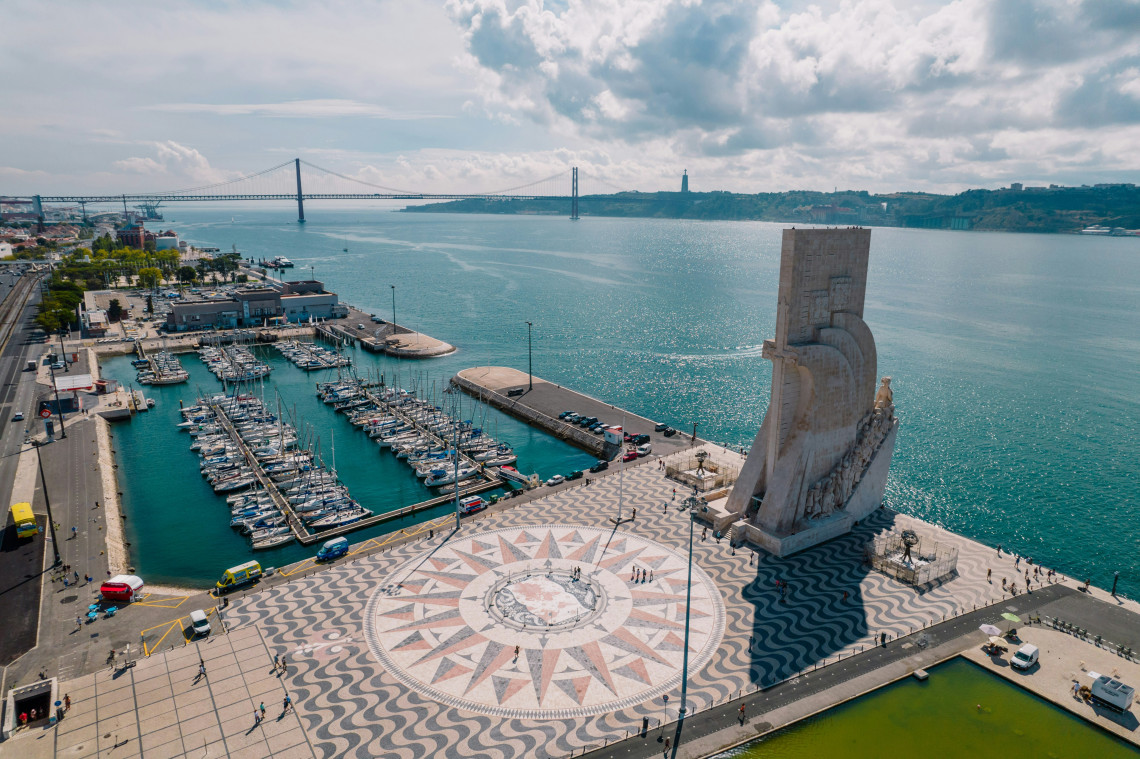
Take Tram 15E from Praça da Figueira or Cais do Sodré to Belém (around 20 minutes). Start at the Jerónimos Monastery, one of the finest examples of Manueline architecture in the world and a UNESCO World Heritage Site. Book tickets in advance as queues without a reservation can be long in summer. The monastery is where Vasco da Gama and Luís de Camões are buried, and the detail of the stone carving throughout is extraordinary.
Across the road, the Museu de Arte, Arquitetura e Tecnologia (MAAT) sits on the riverfront and is worth a look even just for the building itself. The walk along the Tagus between the monastery and the Torre de Belém is one of the most pleasant in Lisbon, so give yourself time to wander.
Before leaving Belém, stop at Pastéis de Belém (the original, founded in 1837, directly opposite the monastery). There's always a queue but it moves fast. Order at least two. The custard tarts here taste different from anywhere else in the city, and locals will debate why at length.
Lunch
Instead of staying in Belém (which gets crowded and pricey at lunch), grab a taxi or tram to Campo de Ourique , one of Lisbon's best-kept secrets for food. This is a middle-class residential neighborhood that locals actually use, and the Mercado de Campo de Ourique covered market is a much more authentic alternative to the Time Out Market: local vendors, lower prices and virtually no tourist crowds. All around the market you'll find excellent small restaurants, do a bit of research and pick one you like.
Afternoon: Jardim da Estrela and Príncipe Real
After lunch, walk to Jardim da Estrela , one of the most beautiful parks in Lisbon and a genuine local favorite. A shaded, leafy garden with a duck pond, bandstand, and plenty of benches, it's the perfect place to slow down after a busy morning. The surrounding Estrela neighborhood is quiet, residential, and very pleasant to wander, a complete contrast to the tourist bustle of Belém.
From Estrela, make your way to Príncipe Real for the afternoon. It's one of the most elegant neighborhoods in Lisbon. The Jardim do Príncipe Real garden is a locals' favorite, and the surrounding streets are full of antique shops, wine bars, and independent stores. The Embaixada shopping gallery, a 19th-century Moorish-style palace converted into curated Portuguese design brands, is a great stop for gifts that aren't the usual tourist fare.
Evening: Sunset Cruise and Dinner
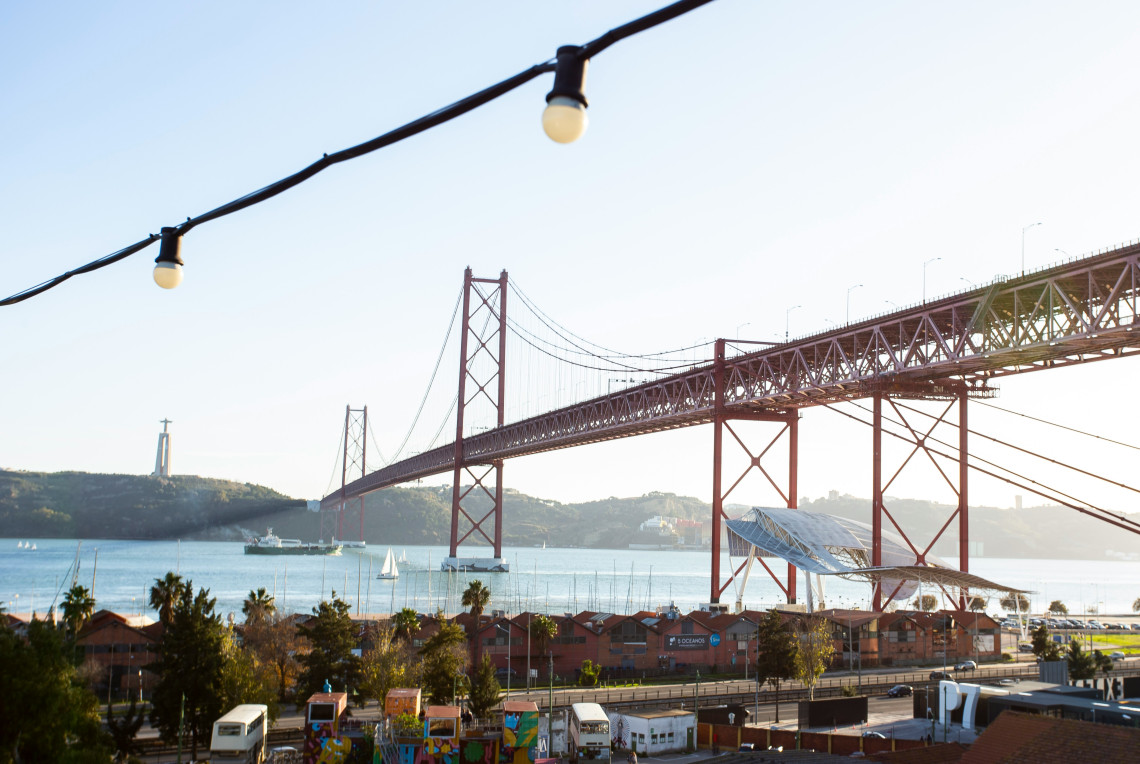
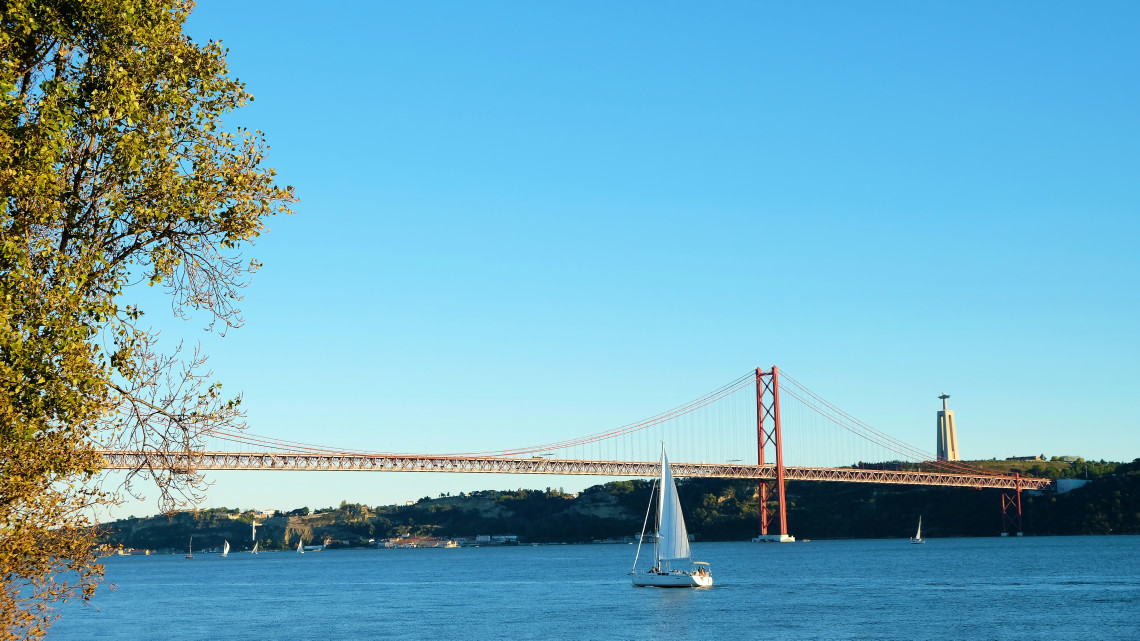
End your time in Lisbon with a sunset cruise on the Tagus , a 1.5 to 2-hour boat ride that gives you the city's skyline, the 25 de Abril Bridge, and the Tagus estuary from a perspective you can't get any other way. Several operators run evening cruises; look for a small-group or private option for the best experience. Book in advance, especially in summer.
For a final dinner, head to Alfama, specifically Agulha no Palheiro, a tiny, warmly lit restaurant that serves exceptional Portuguese food in a completely non-touristy setting. It's small and fills up fast, book a table before you get on the boat.
Local tip: If Agulha no Palheiro is full, any of the small tascas on Rua dos Remédios in Alfama will give you an excellent, honest meal at local prices, just walk in and pick wherever looks busy with locals.
Day 3: Mouraria, Graça & the Best Viewpoints
Day three is for going deeper, covering the neighborhoods that tourists often miss and the viewpoints that locals actually use.
Morning: Mouraria and Intendente
Mouraria is Lisbon's most multicultural neighborhood, built around the Moorish community that remained after the Christian reconquest in 1147. It's rawer and less polished than Alfama, and more interesting for it. The street art is extraordinary, murals by local and international artists cover entire building facades. The Largo do Intendente square has been beautifully restored and is a great place for a morning coffee.
From Mouraria, walk up through the lanes to Graça , one of the most authentic residential neighborhoods in central Lisbon. The Feira da Ladra flea market runs on Tuesdays and Saturdays on the Campo de Santa Clara nearby, and is well worth a visit if your schedule aligns.
The Miradouros Route
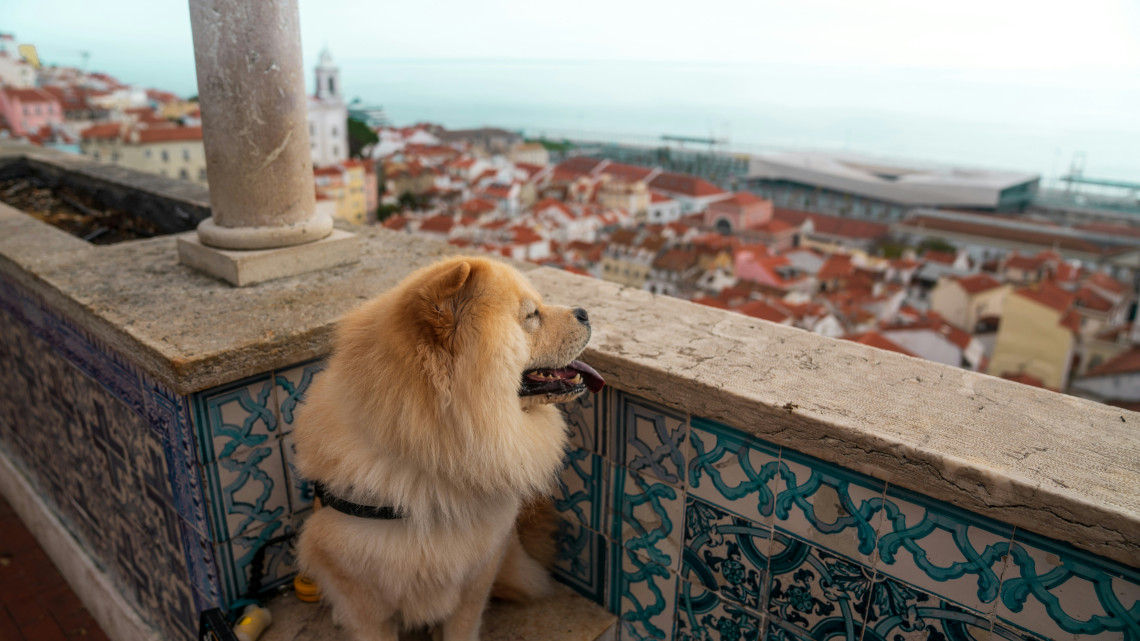
Lisbon has dozens of miradouros (viewpoints), but these four are the best and you can walk between them in a morning:
- Miradouro da Graça : the locals' favorite, with fewer tourists, extraordinary view over the city and the castle.
- Miradouro da Senhora do Monte : the highest viewpoint in the historic center, with a panorama that takes in the entire city, the Tagus, and on clear days, the hills of Arrábida to the south.
- Miradouro das Portas do Sol : classic view over Alfama's rooftops and the river.
- Miradouro de Santa Luzia : smaller and more intimate, with a beautiful azulejo-tiled wall and pergola covered in bougainvillea.
Afternoon and Evening
Spend the afternoon at the Museu Nacional do Azulejo (National Tile Museum), housed in a 16th-century convent, it tells the story of Portuguese tile-making from the 15th century to the present. It's one of the most underrated museums in Lisbon and rarely crowded. Free on the first Sunday of the month.
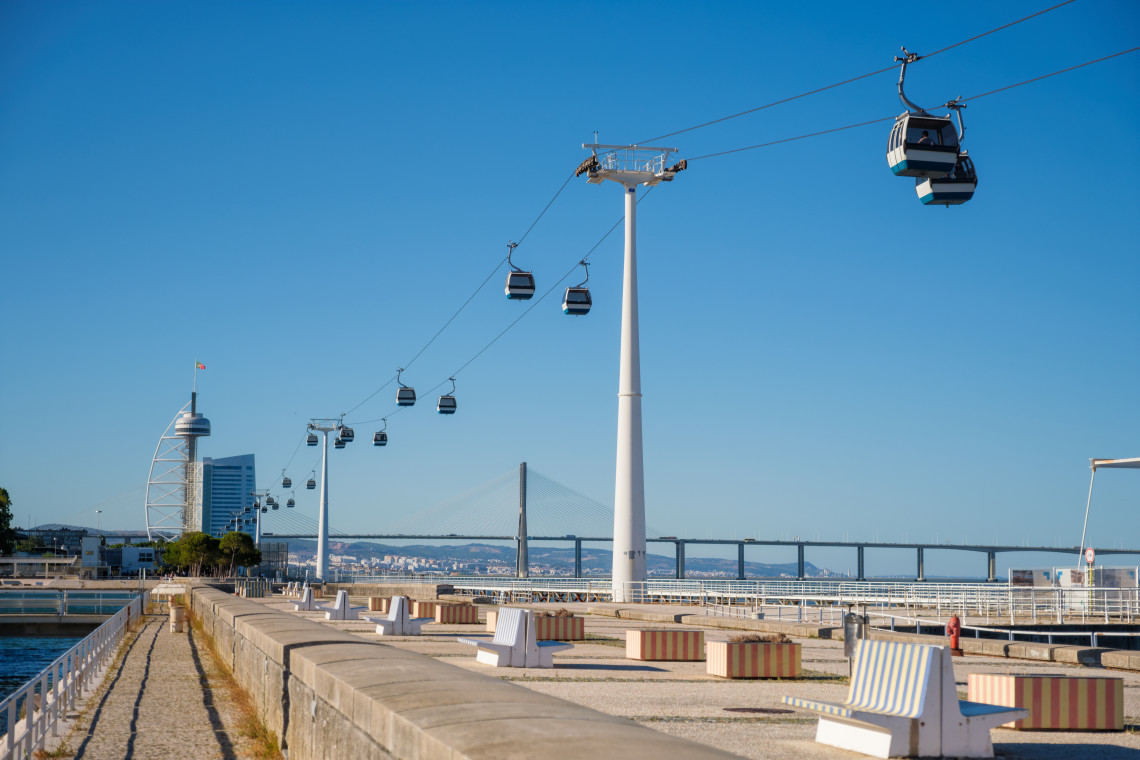
For the evening, explore the Parque das Nações , the futuristic district built for Expo '98 on the eastern edge of the city. The architecture is striking, the riverfront is beautiful at sunset, and the restaurants are consistently good. Take the Metro (Red Line) directly from the city center.
Local tip: The cable car (Telecabine) in Parque das Nações costs €4 each way and gives a great elevated view of the Tagus and the Vasco da Gama Bridge, worth it for the perspective, especially at dusk.
Making the most of your time in Lisbon? Browse our Lisbon vacation packages with hand-picked hotels, local tips, and everything taken care of.
Day 4: Day Trip to Sintra
If you have four or more days in Lisbon, a day trip to Sintra is close to mandatory. The town sits in the hills 30 km northwest of Lisbon, and its fairy-tale palaces, lush gardens, and dramatic clifftop scenery are unlike anything else in Portugal. It was Lord Byron's favorite place in the Iberian Peninsula, a claim that, once you've been, is entirely understandable.
Getting There
Take the train from Rossio Station direct to Sintra. Trains run every 20–30 minutes and the journey takes around 40 minutes. A return ticket costs approximately €4–€5. Aim to be on the 8:11am train and you'll arrive around 9am, giving you 30 minutes to get up to Pena Palace before it opens at 9:30am and beat the tourist buses that arrive mid-morning. This makes a significant difference in high season.

What to See in Sintra
Pena Palace is the unmissable centrepiece: a wildly colorful Romanticist palace perched on a rocky peak above the town with towers, battlements, and turrets in yellow, red, and blue. Book tickets in advance; the queues without a reservation are significant in summer. If you're short on time, skip the interior and just do the gardens and palace exterior, the views and the architecture are the main event. Tickets: gardens €10, gardens + interior €20.
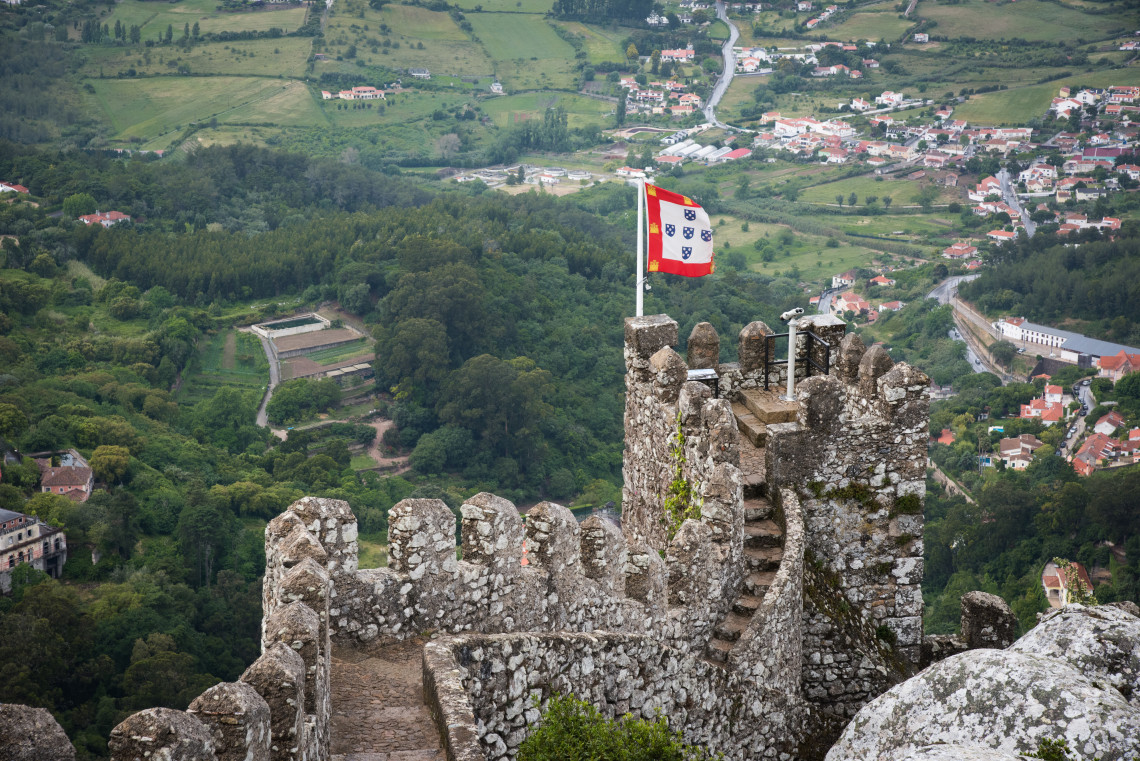
Castelo dos Mouros (Moorish Castle) is arguably the highlight of Sintra, and also the one most people skip. Built in the 8th or 9th century when the Moors controlled the Iberian Peninsula, and later restored by King Ferdinand II, it offers spectacular panoramic views over Sintra, the Atlantic coast, and the surrounding hills. Walking the reconstructed castle walls from end to end is one of the most memorable experiences in the Lisbon region. Go counter-clockwise. Entry €12 (15% off booked 3 days ahead).
Quinta da Regaleira is the most intriguing site in Sintra, a neo-Manueline palace with elaborate gardens, grottos, underground tunnels, and the famous Initiation Well, an inverted tower that descends nine spiraling levels underground. Allow two hours minimum.
The historic town center is worth wandering. Try a travesseiro (pillow-shaped almond and egg pastry) at Piriquita bakery, one of Sintra's oldest establishments, for lunch.
Getting Back
Head back to Lisbon by late afternoon to leave time for dinner. The train runs until late so there's no rush, but Sintra is best visited earlier in the day before the crowds build.
Local tip: Avoid visiting Sintra on a weekend in July or August if at all possible, as the crowds are overwhelming. A Tuesday or Wednesday in shoulder season is a completely different experience.
Day 5: Cascais, the Coast & a Slow Last Evening
Day five is for slowing down and letting Lisbon linger. The coastal town of Cascais makes for an easy, beautiful final day and the train ride there is one of the most scenic in Portugal.
Morning: Cascais by Train
Take the train from Cais do Sodré along the coastal line to Cascais. The journey takes 40 minutes and the train hugs the Tagus estuary and then the Atlantic coast all the way. Sit on the right side heading west for the best views. A return ticket costs approximately €4.
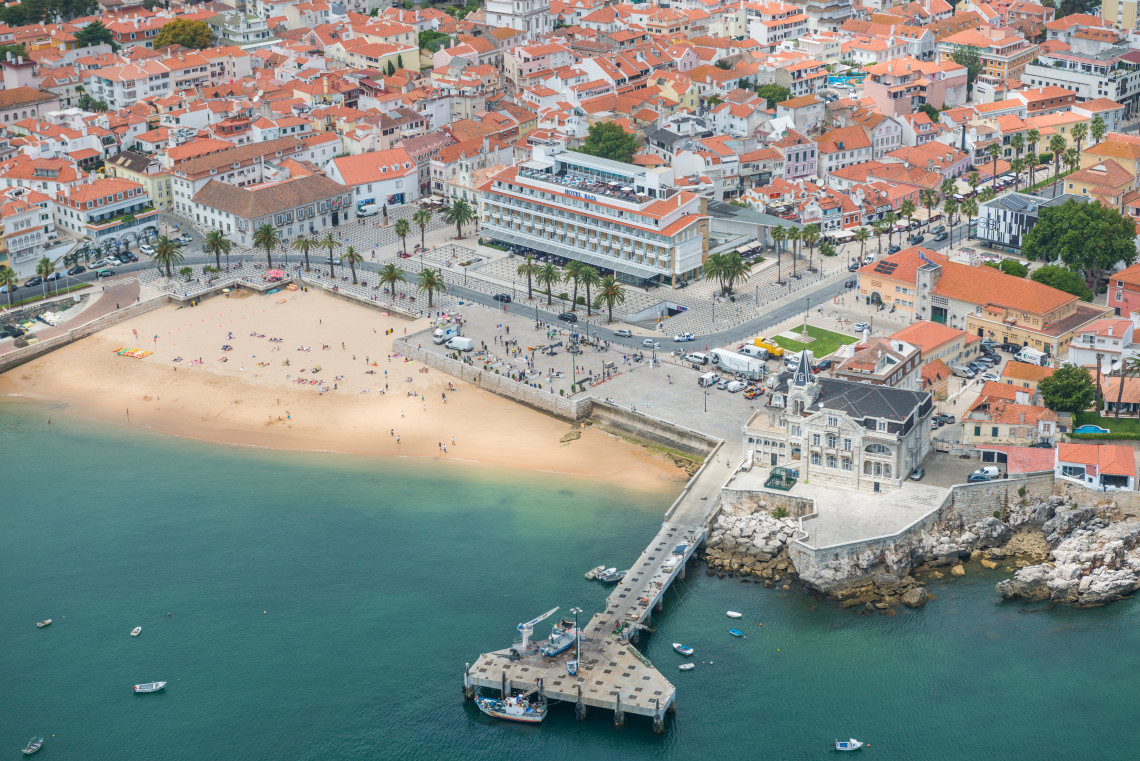
Cascais is a charming former fishing village turned affluent coastal town. The old quarter around Largo Luís de Camões is full of good cafés and restaurants, and the beaches just west of town (Praia de Cascais and Praia da Rainha) are clean and swimmable most of the year. Rent a bike from one of the many hire shops and cycle the flat coastal path to Guincho Beach (10 km), a wild Atlantic-facing beach backed by dunes and the Serra de Sintra hills.
Afternoon: Back to Lisbon
Head back to Lisbon in the early afternoon to allow time for any last shopping, museum visits, or simply sitting at a café in Chiado watching the city go by. The Embaixada shopping gallery in Príncipe Real, a 19th-century Moorish-style palace converted into a curated collection of Portuguese design brands, is a great last stop for souvenirs that aren't the usual tourist fare.
Final Evening
Keep the last evening simple and unhurried. Find a restaurant in whichever neighborhood felt most like yours over the week, order a bottle of Alentejo red, and stay until the staff start stacking chairs. That's the most Lisbon way to end a trip.
Local tip: If you want to take home something edible, Conserveira de Lisboa on Rua dos Bacalhoeiros is a beautiful old tin-fish shop selling traditional Portuguese canned seafood (sardines, mackerel, tuna) in beautiful retro packaging. They make perfect, lightweight gifts.

Lisbon in 3 Days: The Shorter Version
If you only have 3 days in Lisbon, here's how to prioritize:
- Day 1: Alfama, São Jorge Castle, Praça do Comércio, Bairro Alto evening. Follow the full Day 1 plan above.
- Day 2: Belém in the morning (Jerónimos Monastery + Torre de Belém + Pastéis de Belém), Chiado and Príncipe Real in the afternoon, follow Day 2.
- Day 3: Sintra day trip, the single best excursion from Lisbon and worth prioritizing over a third city day.
With 3 days, you won't have time for Mouraria, Parque das Nações, or Cascais, but you'll leave having seen the best of Lisbon and one of the most extraordinary towns in Europe. That's a very good 3 days.
Lisbon in 4 Days: Adding Depth
With a fourth day, add the Mouraria and miradouros route (Day 3 above) before your Sintra trip. Alternatively, swap the Sintra day for Cascais if you'd prefer a more relaxed beach day over a palace-heavy excursion. Both are excellent and it really depends on your travel style.
Ready to start planning? Browse our Lisbon vacation packages and our local experts will make sure you don't miss a thing.
Frequently Asked Questions: Lisbon Itinerary
How many days do you need in Lisbon?
Three days is enough to see the main highlights: Alfama, Belém and a day trip to Sintra. Four to five days allows you to explore at a more relaxed pace, visit neighborhoods like Mouraria and Graça, and add a coastal day trip to Cascais. Most visitors find that 4 days is the ideal length for a first trip.
What is the best area to stay in Lisbon?
For first-time visitors, Chiado or Baixa offer the most central location with easy access to all the main sights. Alfama is the most atmospheric but the hilly terrain makes it less convenient with luggage. See our full guide to the best areas to stay in Lisbon for a detailed breakdown.
Is Sintra worth a day trip from Lisbon?
Yes. Sintra is one of the most extraordinary places in Portugal, easily reached from Lisbon by train in 40 minutes. Pena Palace and Quinta da Regaleira alone justify the trip. Go on a weekday and arrive early to avoid the worst of the crowds.
What is the best time to visit Lisbon?
March to May and September to October offer the best combination of pleasant weather, manageable crowds, and lower prices. July and August are peak season, warm and sunny but busy. Winter (November to February) is mild by European standards and very affordable, though some days can be rainy.
What should I not miss in Lisbon?
Don't miss: the Jerónimos Monastery in Belém, São Jorge Castle and the Alfama viewpoints, a pastel de nata at Pastéis de Belém, a ginjinha at A Ginjinha on Largo de São Domingos, the ferry crossing to Cacilhas for views of the Lisbon skyline, and at least one evening of live Fado music in a small venue.
Ready to Plan Your Lisbon Trip?
Portugal Getaways specializes in tailor-made and package trips to Lisbon, built around what you actually want to do with local expertise that no algorithm can replicate.
Browse Lisbon Packages Build a Custom Trip