Madeira's nature, in short
What makes Madeira's nature special
Madeira rose from the Atlantic as a volcano, and that origin shapes everything: steep peaks, black-rock coastline, lava-formed pools and caves. Its position and mountains create many microclimates, from the sunny south to the green, misty north. At its heart is the Laurisilva, a subtropical laurel forest inscribed as a UNESCO World Heritage site in 1999 and one of the largest surviving areas of this ancient woodland in the world. Add year-round mild weather and you can enjoy the scenery in almost any season. Here are the natural highlights to build a trip around.
The best natural landscapes in Madeira
Pico Ruivo
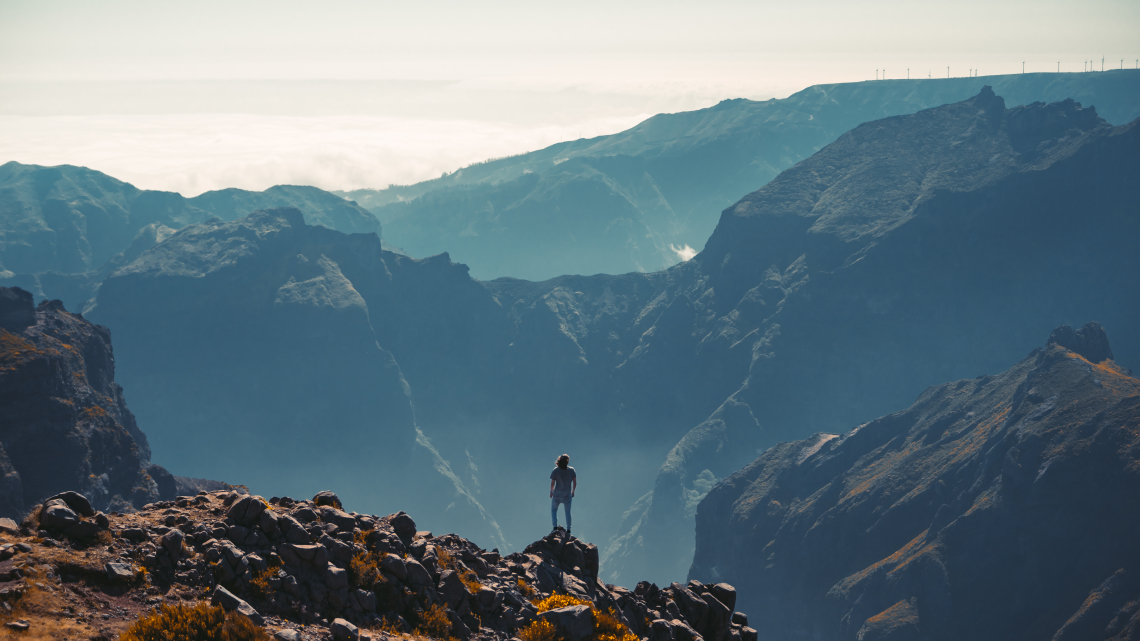
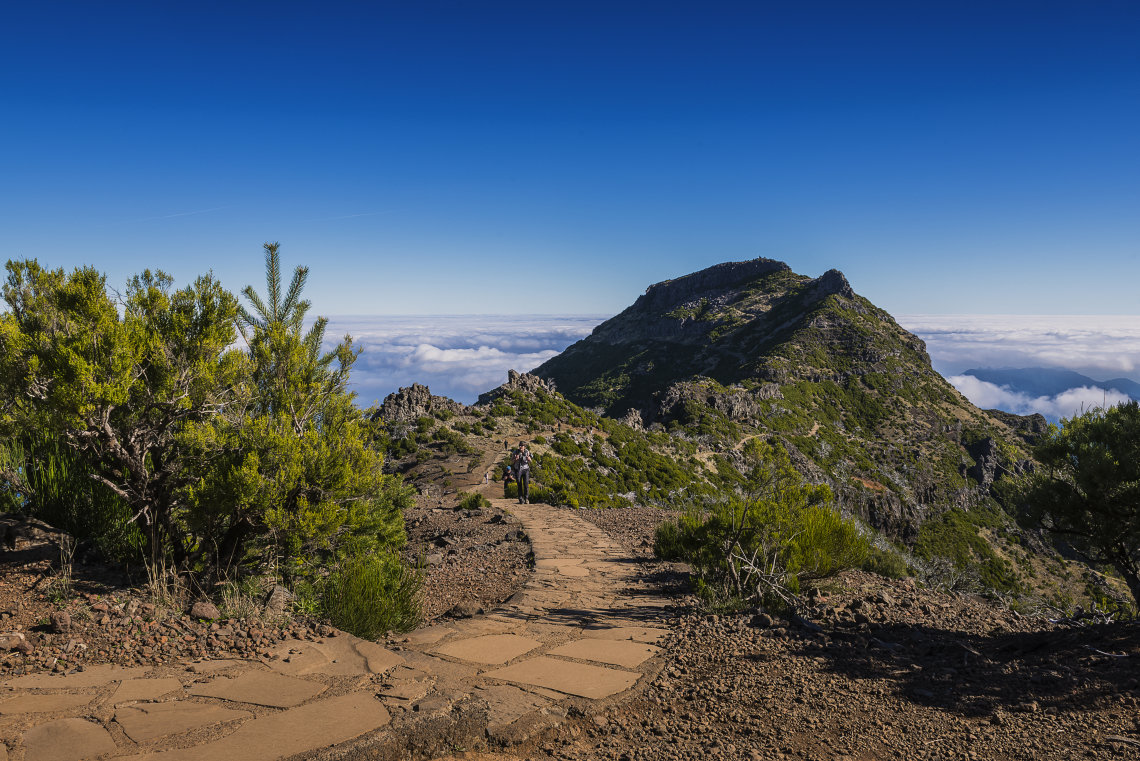
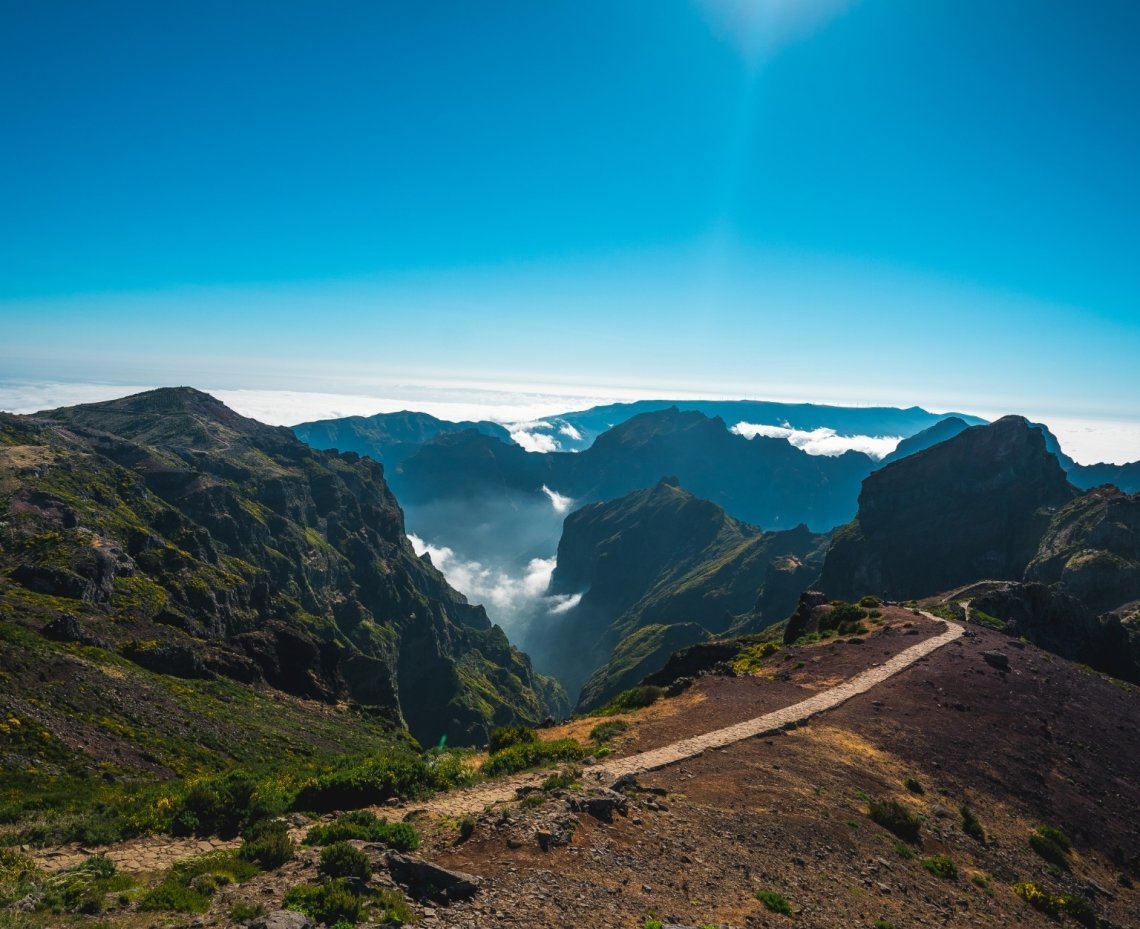
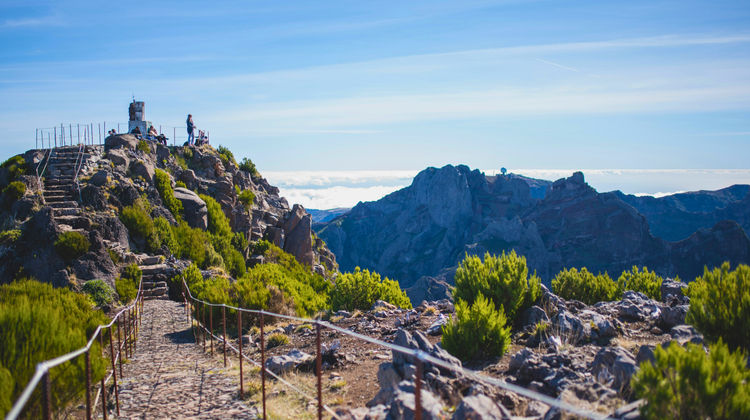
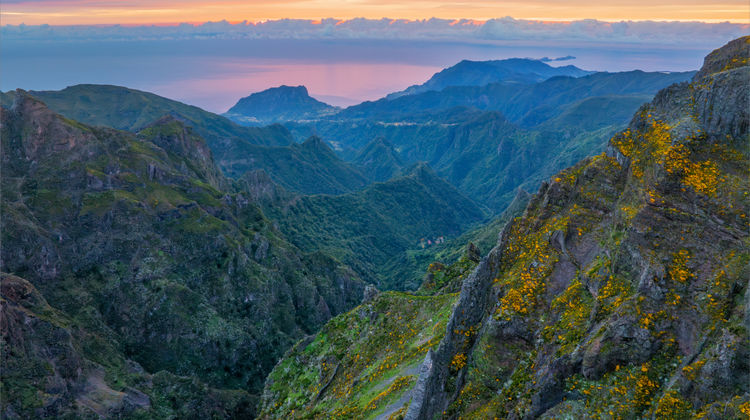
At 1,862 m, Pico Ruivo is Madeira's highest peak. It is reached on foot, most famously along the spectacular ridge trail from Pico do Areeiro, and rewards you with views out over a sea of clouds.
Pico do Areeiro
One of the most accessible high viewpoints on the island, reachable by road, Pico do Areeiro is a favourite spot for sunrise above the clouds and the starting point for the ridge walk to Pico Ruivo.
The Laurisilva laurel forest
Madeira's UNESCO-listed laurel forest is damp, green and ancient. It is the setting for many of the island's levada walks, and spots like Ribeiro Frio and Rabaçal let you walk straight into it.
Fanal
On the edge of the laurel forest, the Fanal plateau is known for its gnarled, centuries-old laurel trees, often wrapped in mist. It is one of the most atmospheric and photographed natural spots on the island.
Cabo Girão
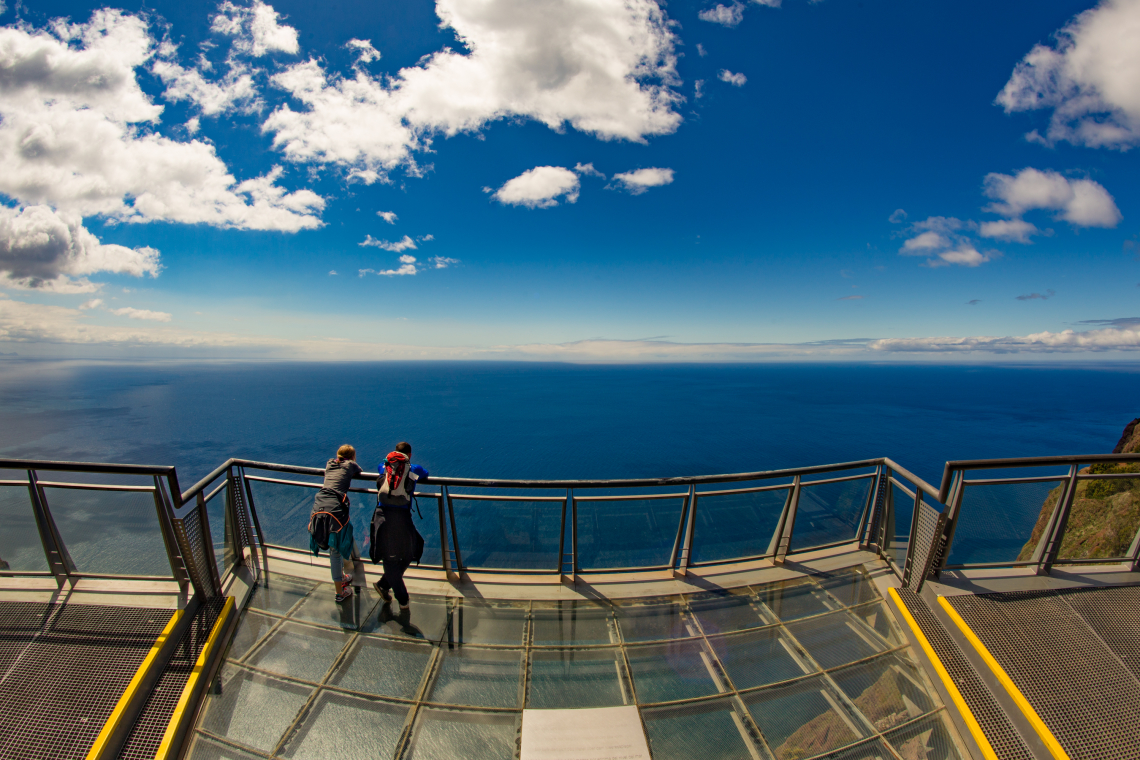
One of the highest sea cliffs in Europe, Cabo Girão has a glass-floored skywalk suspended high above the Atlantic and the terraced fields below, a short drive west of Funchal.
Porto Moniz natural pools
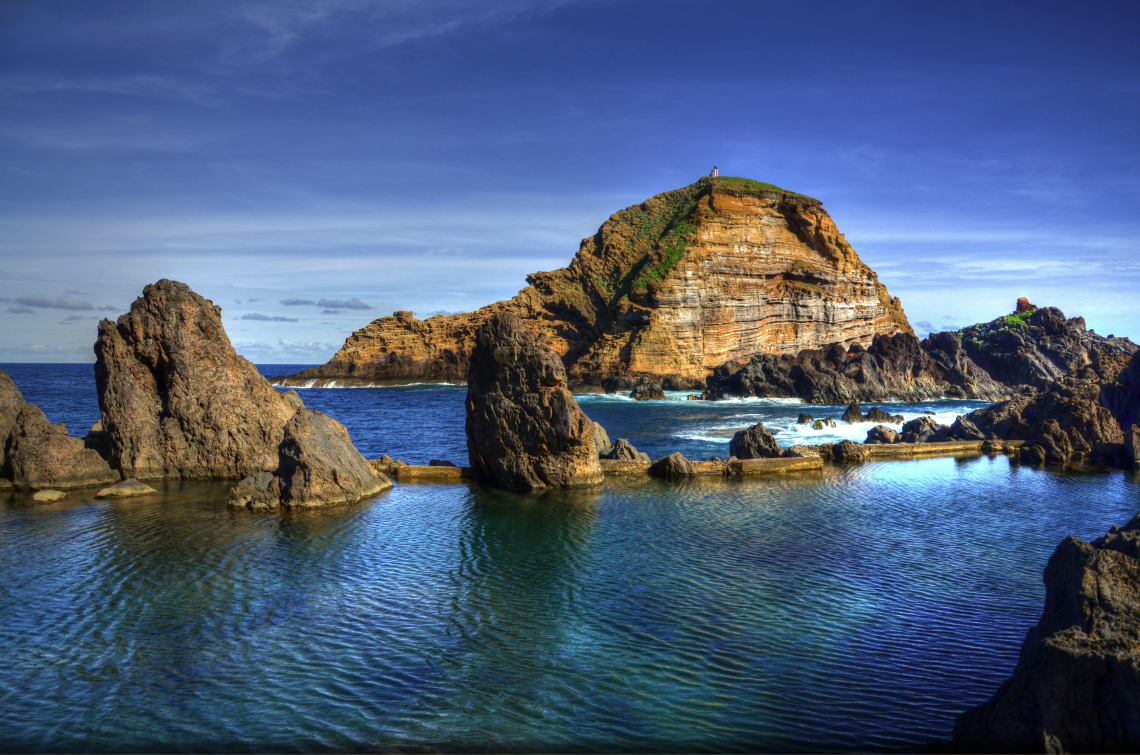
On the northwest tip, Porto Moniz is famous for its natural swimming pools formed by volcanic rock and filled by the sea, where you can bathe in sheltered water with the Atlantic breaking just beyond.
São Vicente Caves
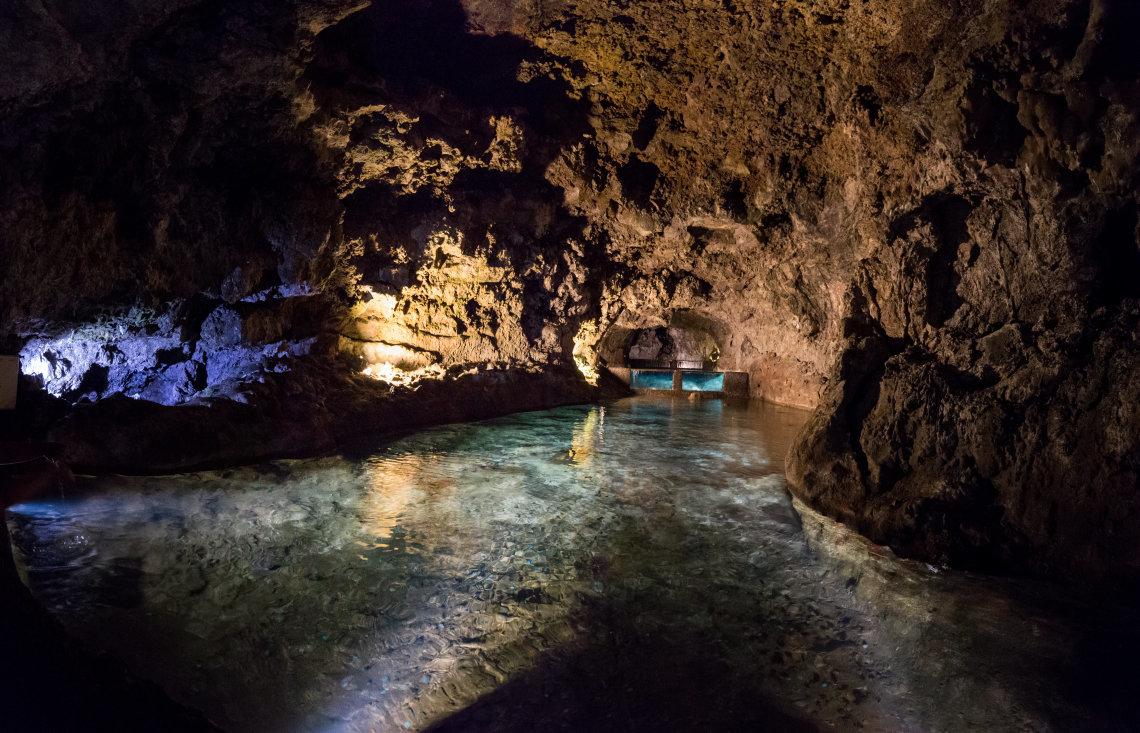
On the north coast, the São Vicente caves are a system of lava tubes formed by a volcanic eruption around 890,000 years ago. A short guided tour leads you underground, followed by a volcanism centre that explains how the island was born.
Seixal
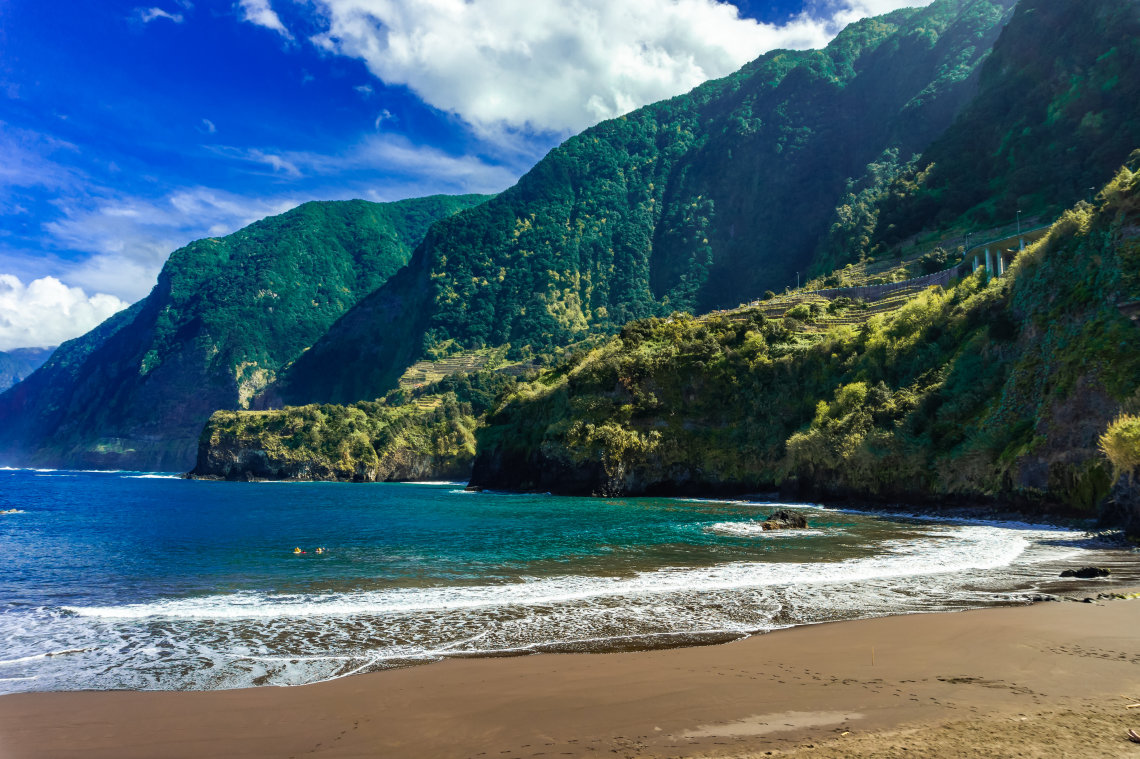
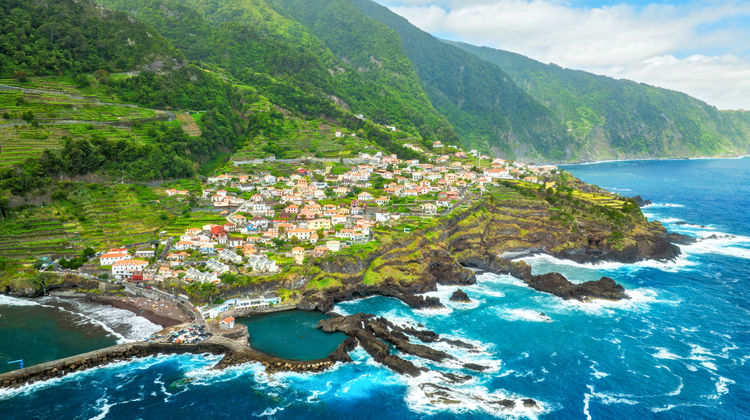
Seixal is a scenic north-coast village known for its black-sand beach, natural pools and green cliffs streaked with waterfalls, one of the prettiest corners of the island.
7. Monte Palace Tropical Garden: A Paradise Oasis on Madeira Island
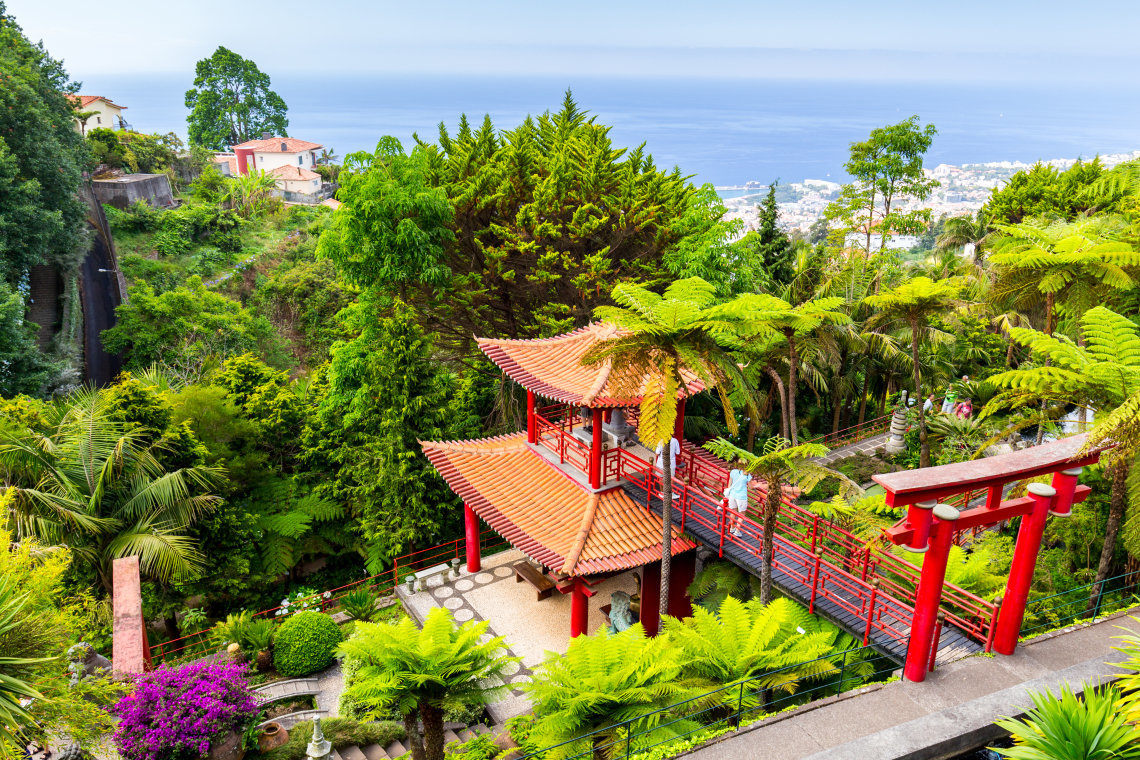
A beautiful tropical garden located in the heart of Funchal, with an area of 70,000m², the Monte Palace Tropical Garden is home to a huge collection of exotic plants and also to one of Portugal’s most important tile collections spread all over the garden describing moments of Portuguese historical significance. You'll find exotic flora and fauna from all across the globe, along with animals like swans, peacocks, ducks, chickens, and even Koi fish. You’ll also come across two oriental-inspired gardens that are a reflection of the social, commercial, and cultural relationship between Portugal and Japan at the time.
8. Madeira Botanical Garden: A Horticultural Wonderland on Madeira Island
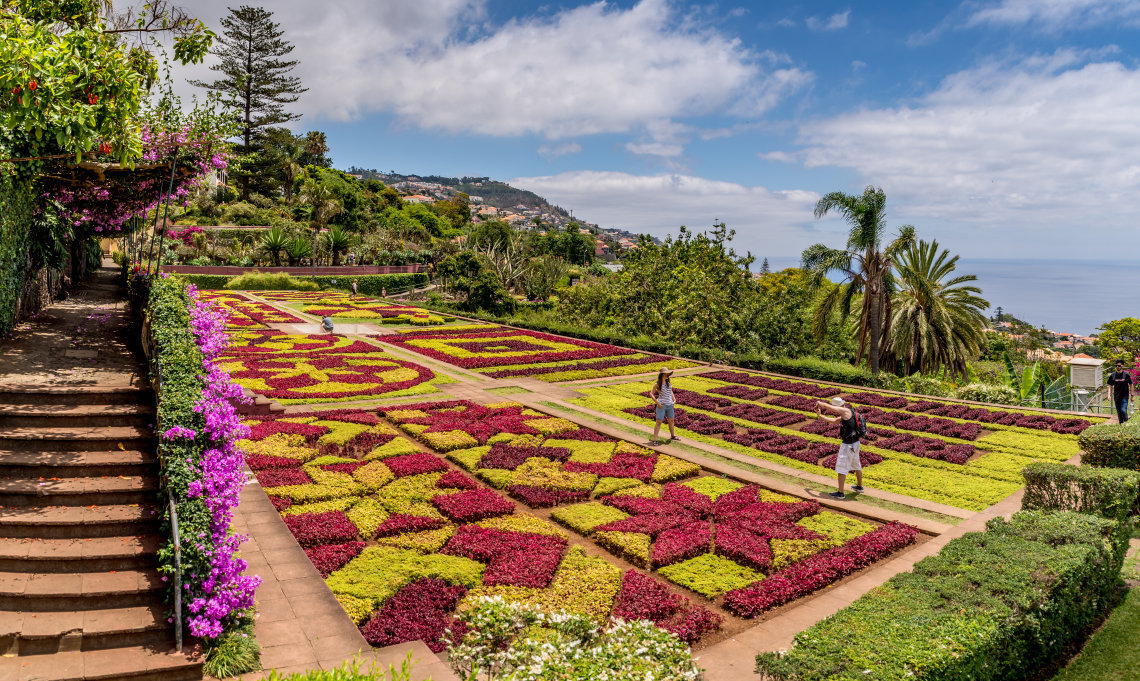
First opened in 1960, the beautiful Madeira Botanical Garden spans an area of 80,000m² and is home to a collection of over 2,000 exotic plants. Through its harmonious shapes and contrasting colors there are 5 different gardens to be visited and appreciated: endemic plants; arboretum; succulent; tropicals/medicines and Loiro Parque, where you can find some of the most exotic and rare birds. Walk among the colorful flowers of the garden, visit the on-site Museum of Natural History, hop aboard a cable car to Monte Parish, and take in the wonderful views over the city of Funchal below.
Waterfalls: Véu da Noiva and Cascata dos Anjos
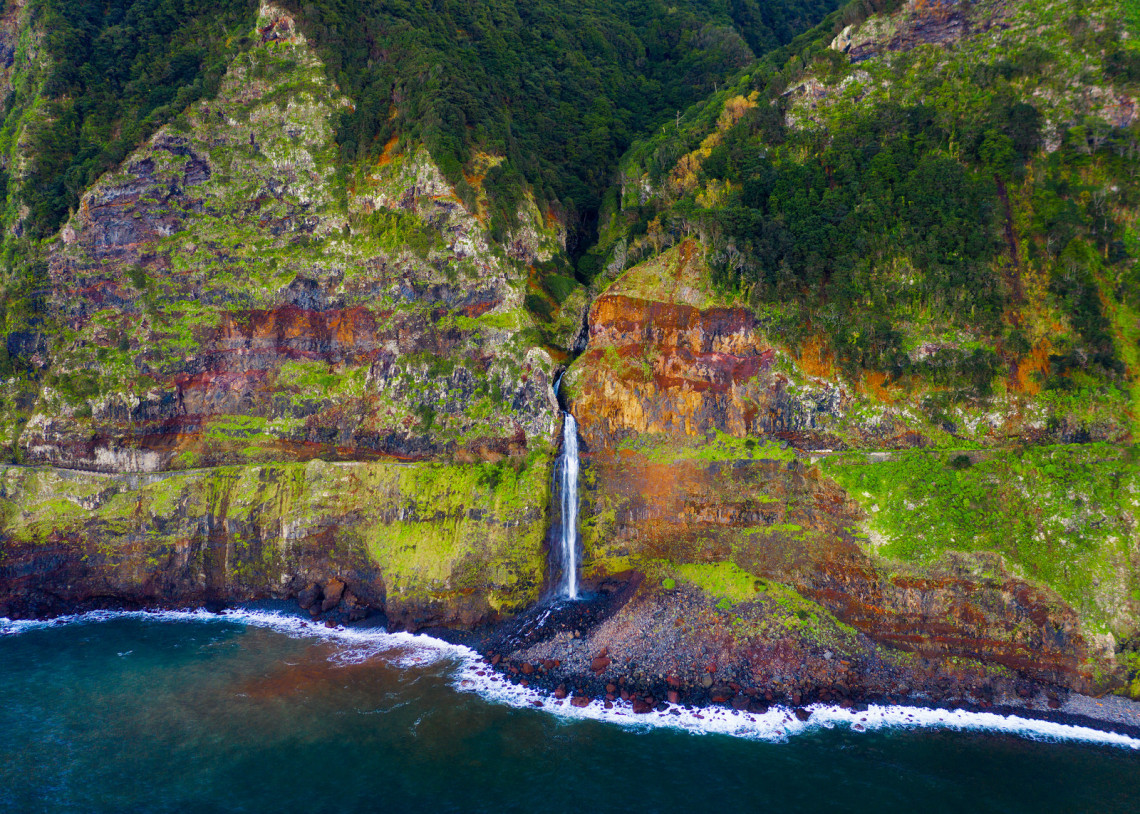
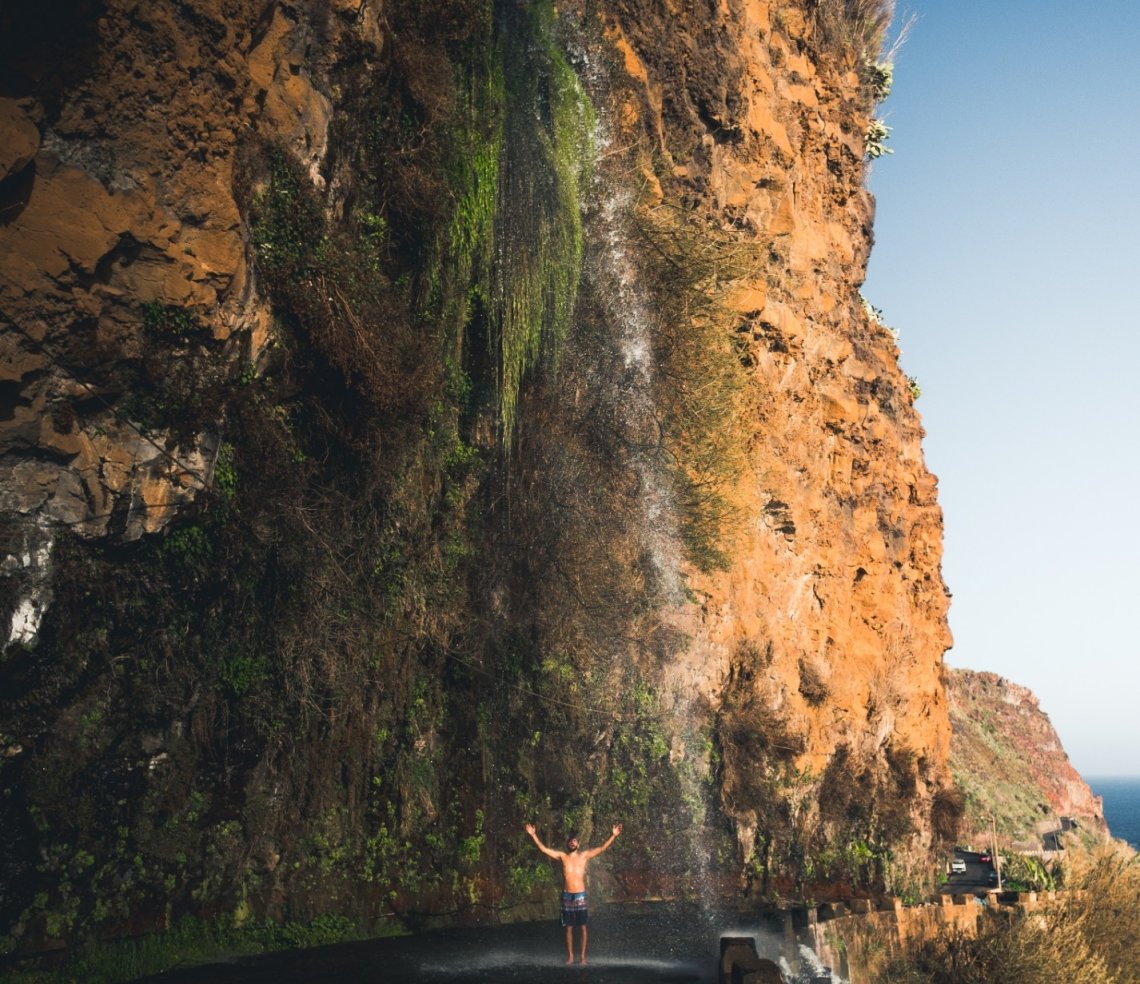
Madeira's north and west are full of waterfalls. The Véu da Noiva ("bridal veil") tumbles toward the coast near Seixal, while the Cascata dos Anjos famously falls onto the old coastal road near Ponta do Sol.
Ponta de São Lourenço
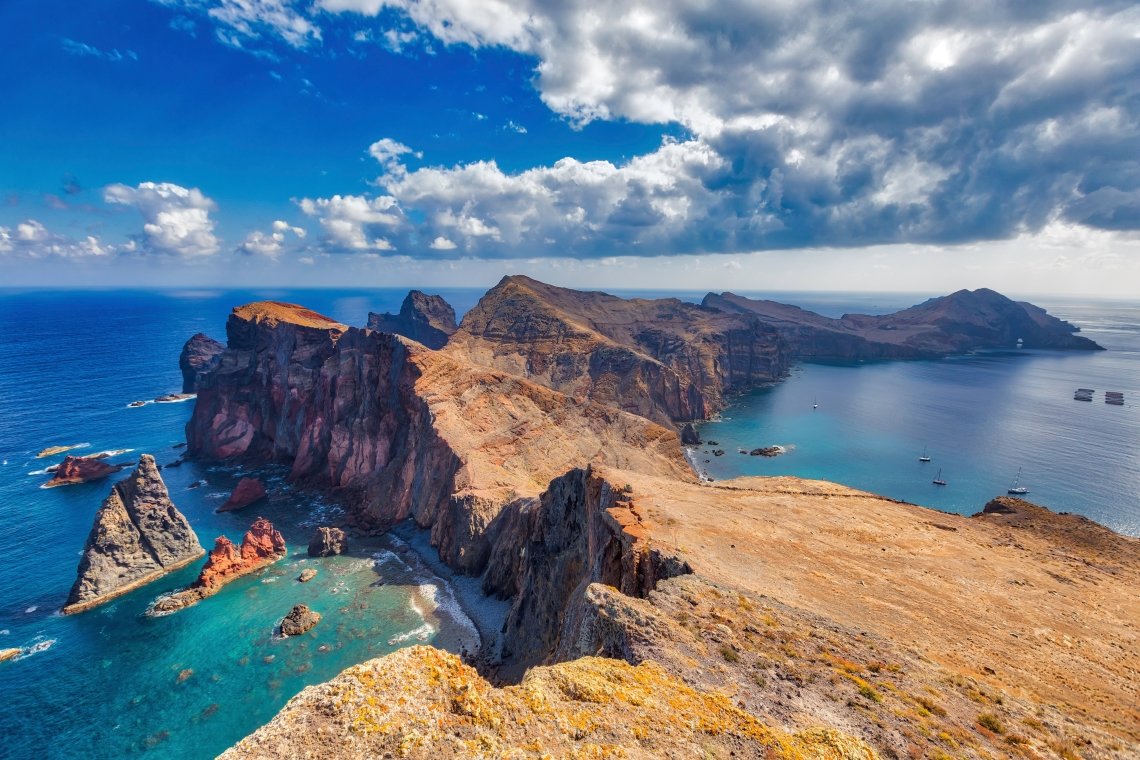
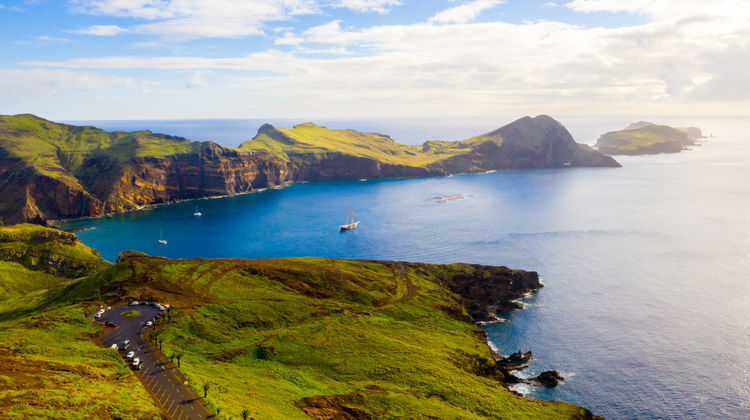
At the eastern tip, this bare, wind-sculpted peninsula of red and ochre cliffs is a striking contrast to the green interior, with a popular trail running out along it between the ocean on both sides.
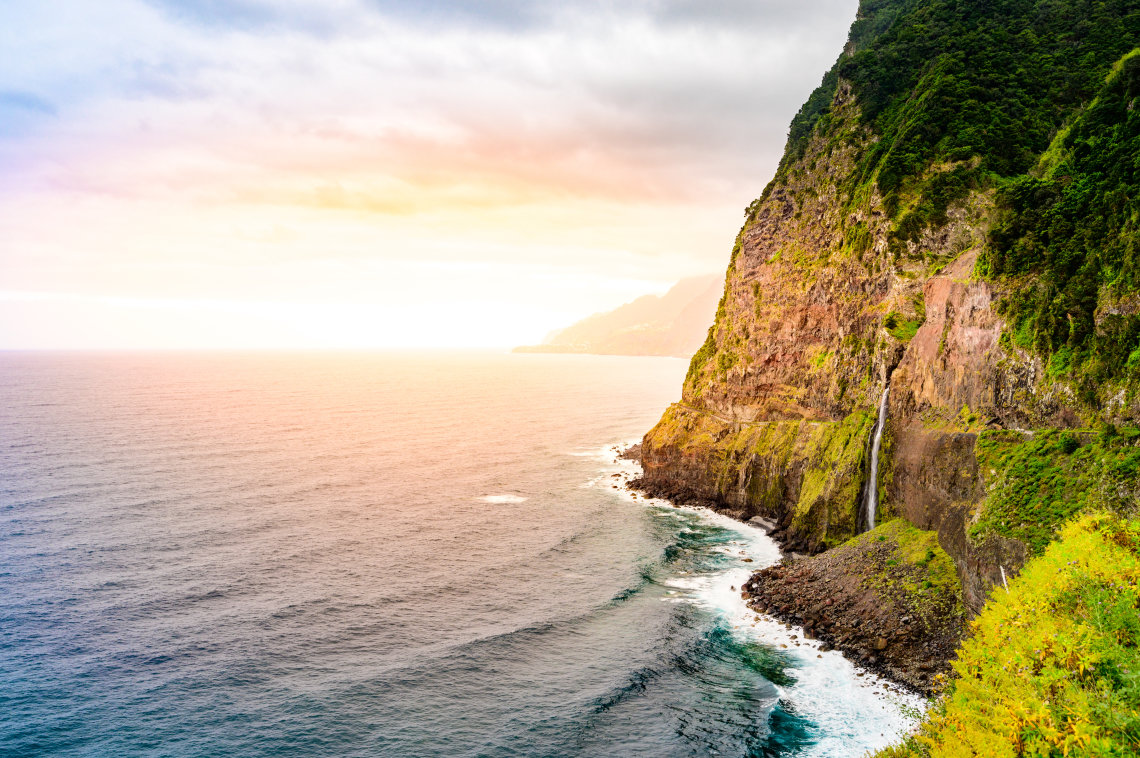
11. Véu da Noiva: The Majestic Waterfall of Madeira Island's Laurissilva Forest
Located between Seixal and São Vicente, the stunning Véu da Noiva viewpoint offers visitors picture-perfect, postcard-like views of the Véu da Noiva waterfall cascading from the tall green cliffs of the Northern coastline, straight down into the deep blue Atlantic. The waterfall and its viewpoint earned the name "Véu da Noiva" for the waterfall taking on the cascading shape of a bride's veil falling into the ocean.
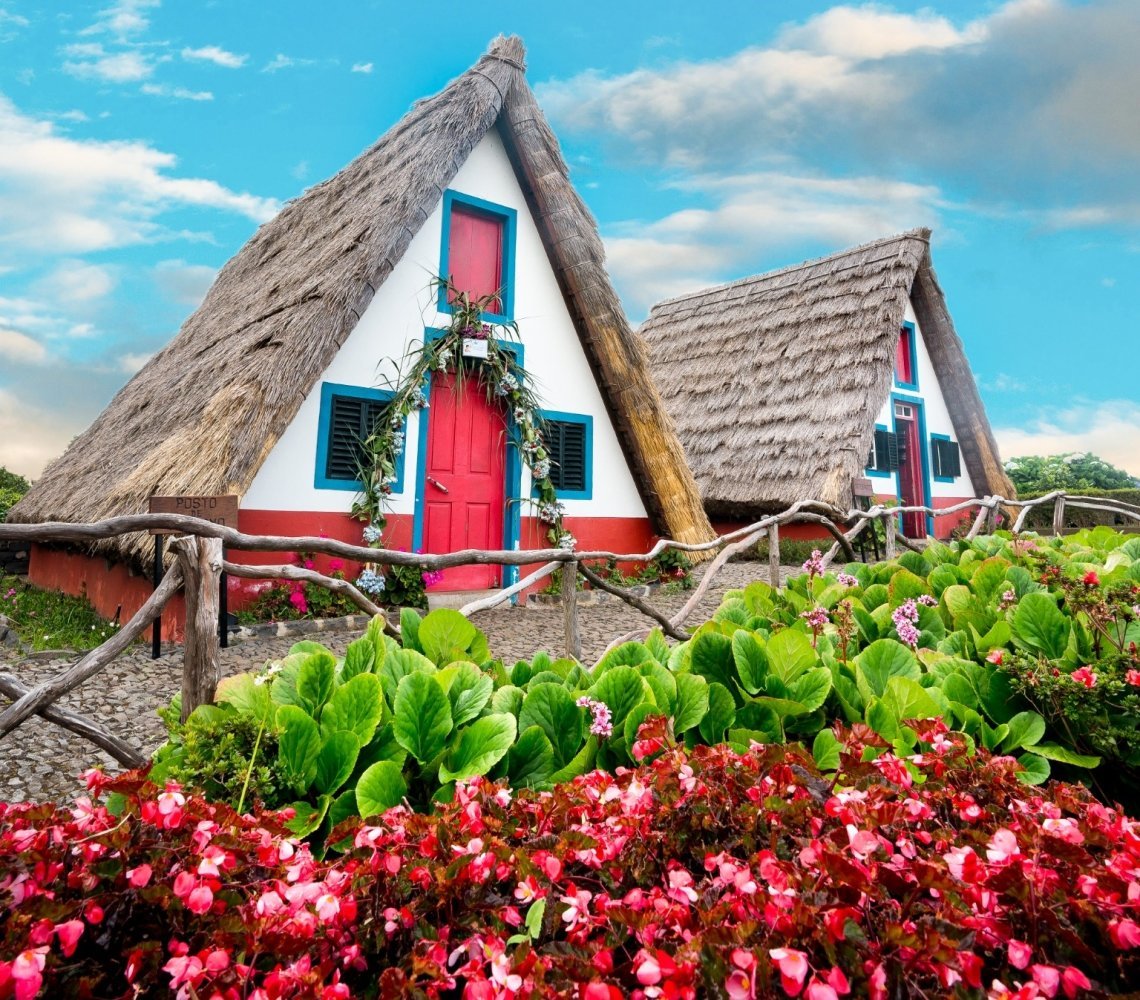
12. Traditional Houses of Santana: A Glimpse into Madeira Island's Rich Cultural Heritage
Nestled on Madeira's beautiful North coast in the municipality of Santana, a UNESCO Biosphere Reserve, you'll find the small village of Santana and its cute-as-a-button traditional houses. Built of natural stone and thatched with straw roofs, these small, colorful houses served as dwellings for local families for centuries. Although most local residents no longer live in these small houses and most of the traditional houses have since been modernized, you can still find a few in the area that have been maintained to preserve this unique heritage.
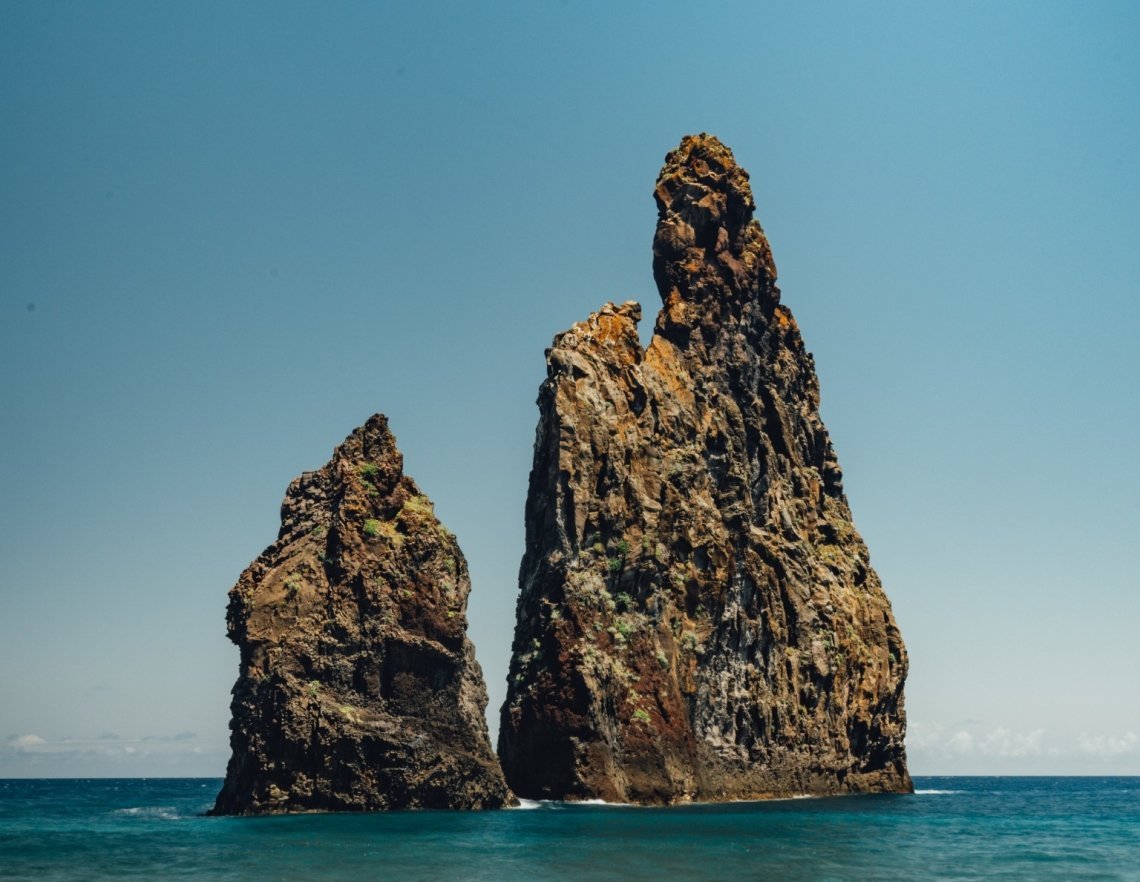
13. Ribeira da Janela Islets: A Natural Wonder of Madeira Island's Dramatic Coastline
You’ll find these three amazing rock formations emerging from the Atlantic Ocean of the coast of Porto Moniz. Also known as "The Three Sisters", these islets were named for the unique shape resembling the opening of a window, or janela.
14. Curral das Freiras: Discovering the Hidden Gem of Madeira Island's Countryside
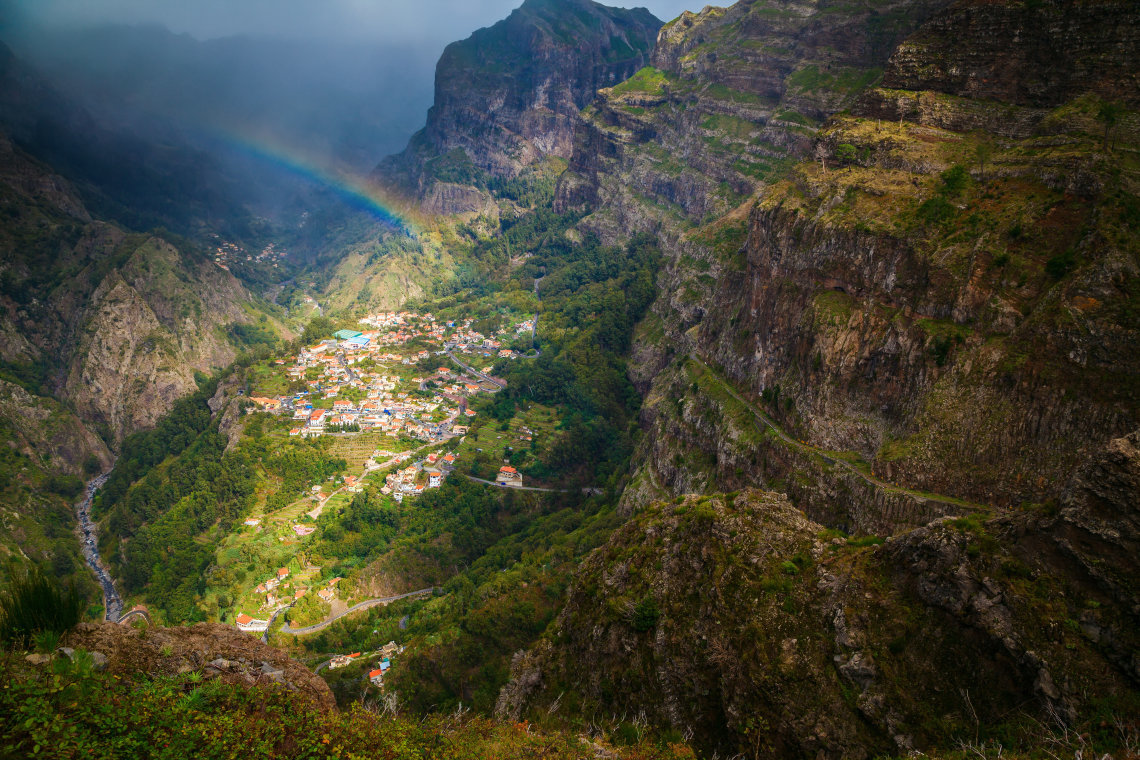
The Curral das Freiras, otherwise known as "Nuns Valley", is a tiny little town located in the heart of Madeira Island, completely surrounded by steep mountains on all sides. The town earned its name for being a sanctuary and hiding place for the nuns of the Convent of Santa Clara during pirate attacks. Nestled deep in the mountains of Madeira, this village is almost completely hidden from the outside and was nearly inaccessible during the 16th century. Visitors can head to the Eira do Serrado viewpoint for spectacular panoramic views over this village and the island's steep peaks and valleys.
When to see Madeira at its greenest
Madeira is beautiful year-round, but the landscape is at its greenest and most waterfall-heavy after the wetter winter and spring months. Summer and early autumn bring the clearest skies for the high peaks. For a full month-by-month view, see the best time to visit Madeira.
Frequently asked questions about Madeira's nature
What is Madeira's nature famous for? Its volcanic scenery, the UNESCO-listed Laurisilva laurel forest, high peaks like Pico Ruivo and Pico do Areeiro, waterfalls, volcanic pools at Porto Moniz, and the sea cliffs at Cabo Girão.
What is the UNESCO forest in Madeira? It is the Laurisilva of Madeira, a subtropical laurel forest inscribed as a UNESCO World Heritage site in 1999 and one of the largest surviving areas of this ancient woodland in the world.
Is Madeira good for nature lovers? Very much so. Between the laurel forest, the levada trails, the peaks, waterfalls and volcanic coastline, Madeira packs an unusual amount of varied nature into a small island.
What is the best natural viewpoint in Madeira? Pico do Areeiro is the most accessible high viewpoint, famous for sunrise above the clouds, while Cabo Girão offers the most dramatic clifftop view over the ocean.
Is São Vicente worth visiting? Yes. The north-coast village combines the São Vicente lava-tube caves with easy access to the laurel forest and green mountain scenery.
Ready to Experience Madeira's Nature?
Portugal Getaways plans your Madeira trip with local experts: hand-picked hotels, tours and transfers, with all-in pricing and no surprises.
.jpg "Hiker Standing on the Ridge at Pico do Arieiro Mountain in Madeira Island, Portugal")
.jpg "Playa de las Teresitas, Tenerife, Canary Islands, Spain")
ricardo-faria-paulino-(3).jpg)