by Portugal Getaways Team
July 17, 2026 • 7 min read
The Algarve's natural attractions, in short
The best natural attractions in the Algarve
1. Benagil Cave
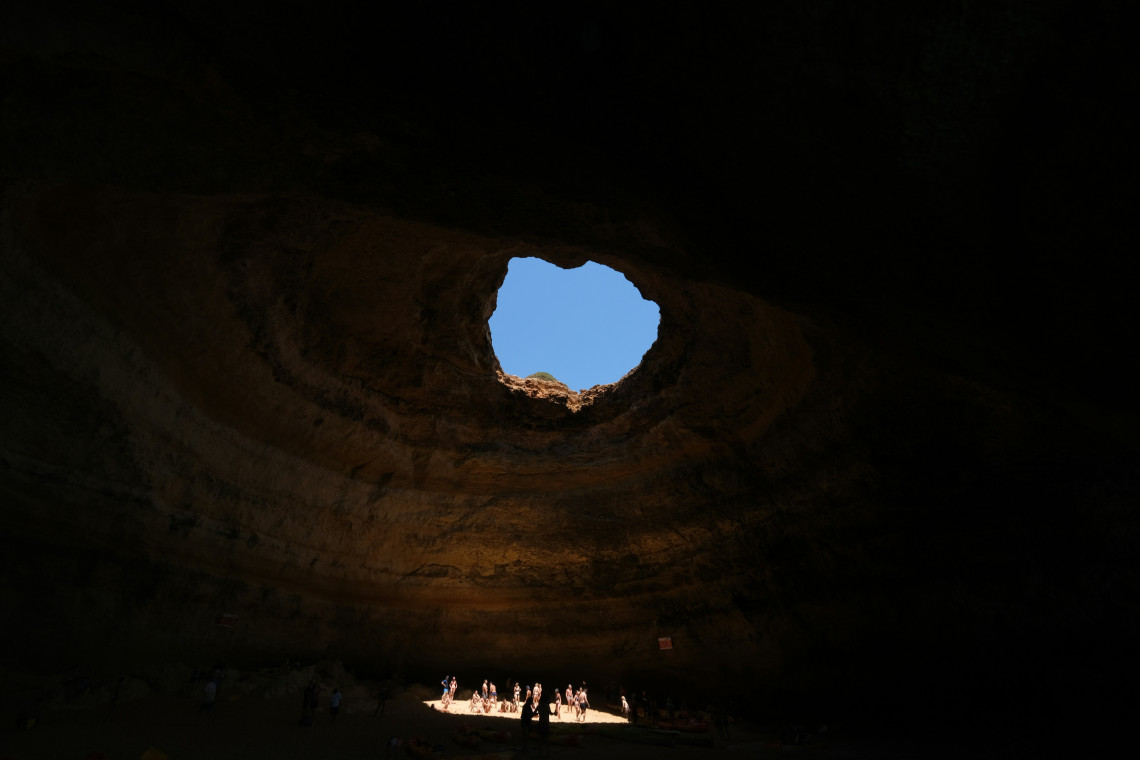
The Algarve's most famous natural sight: a huge sea cave near Lagoa with a domed roof and a circular opening that lets sunlight pour onto the sand inside. It is reachable only from the water, by boat tour, kayak or stand-up paddleboard from nearby beaches.
2. Ponta da Piedade
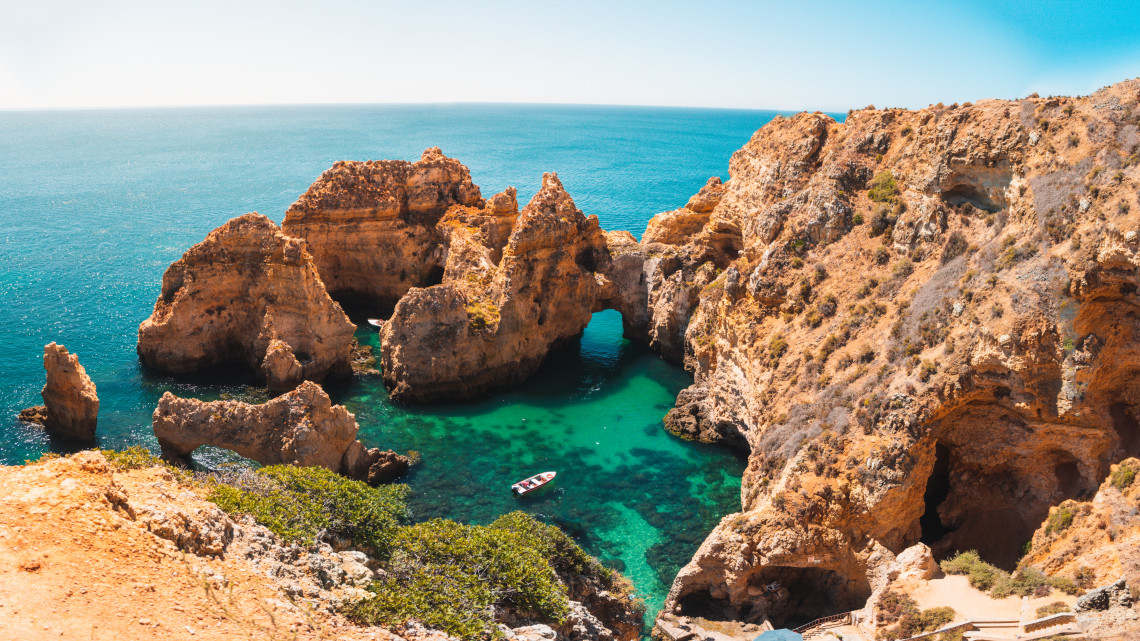
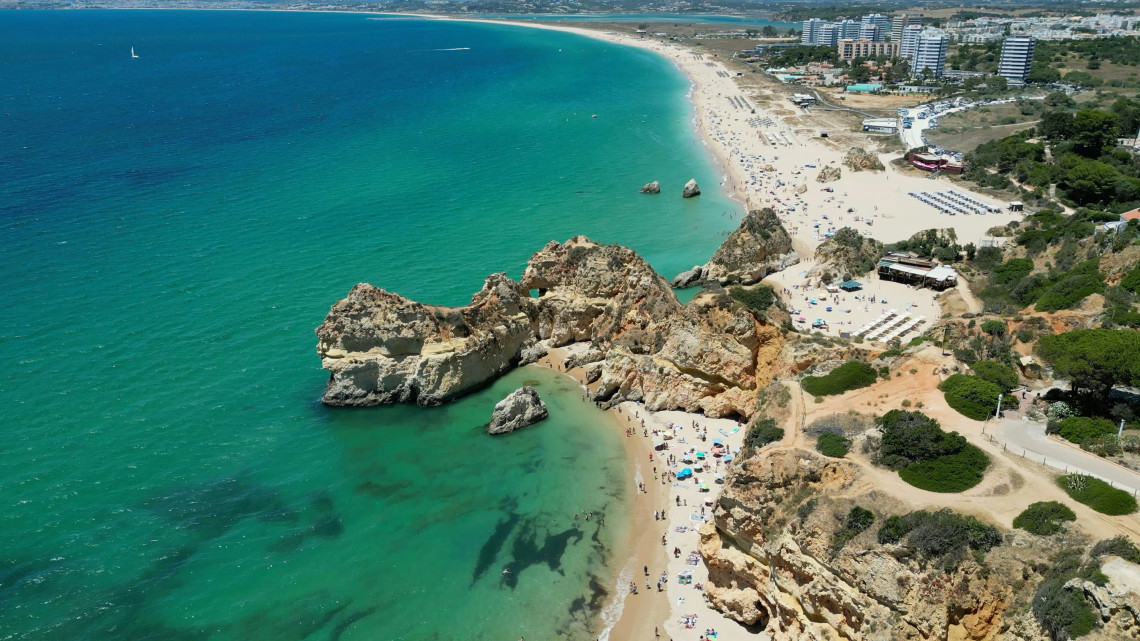
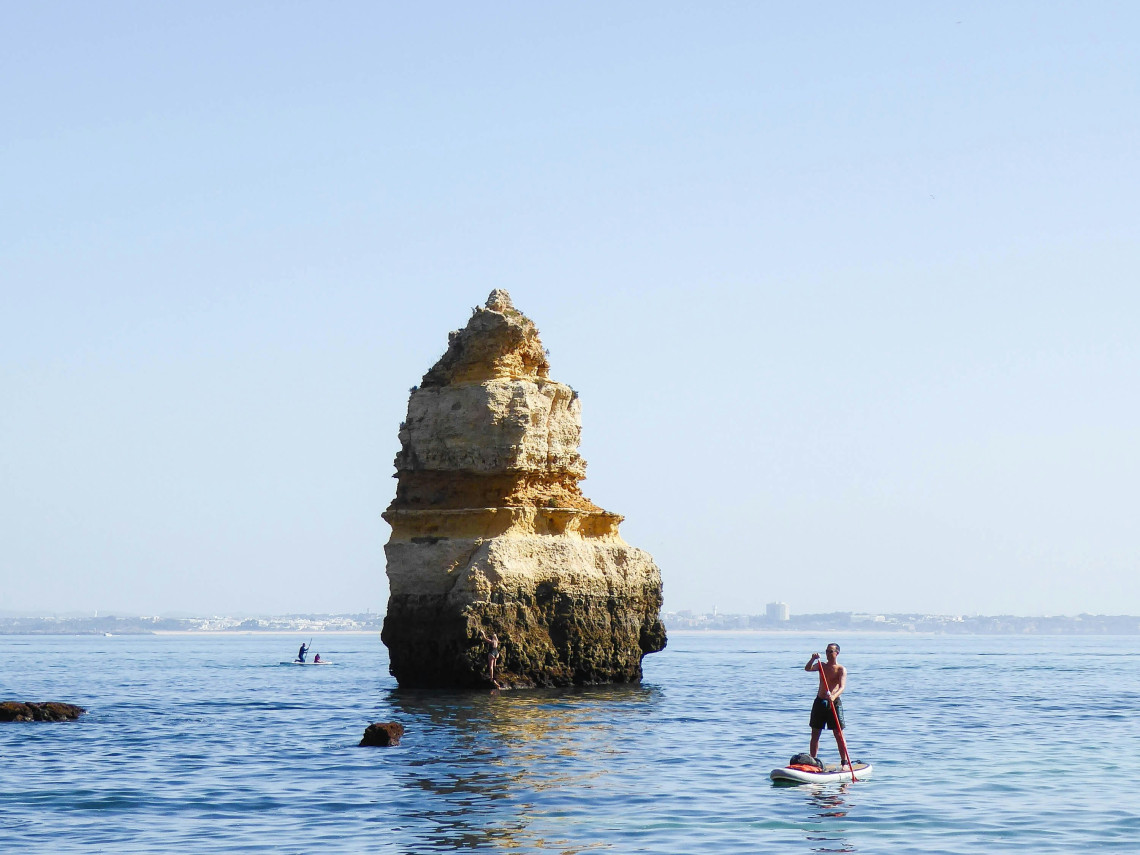
Just off Lagos, Ponta da Piedade is a cluster of dramatic golden cliffs, sea stacks and grottoes above clear turquoise water. Walk the clifftop boardwalks and steps, or take a boat to weave through the arches and caves at sea level.
3. Ria Formosa Natural Park
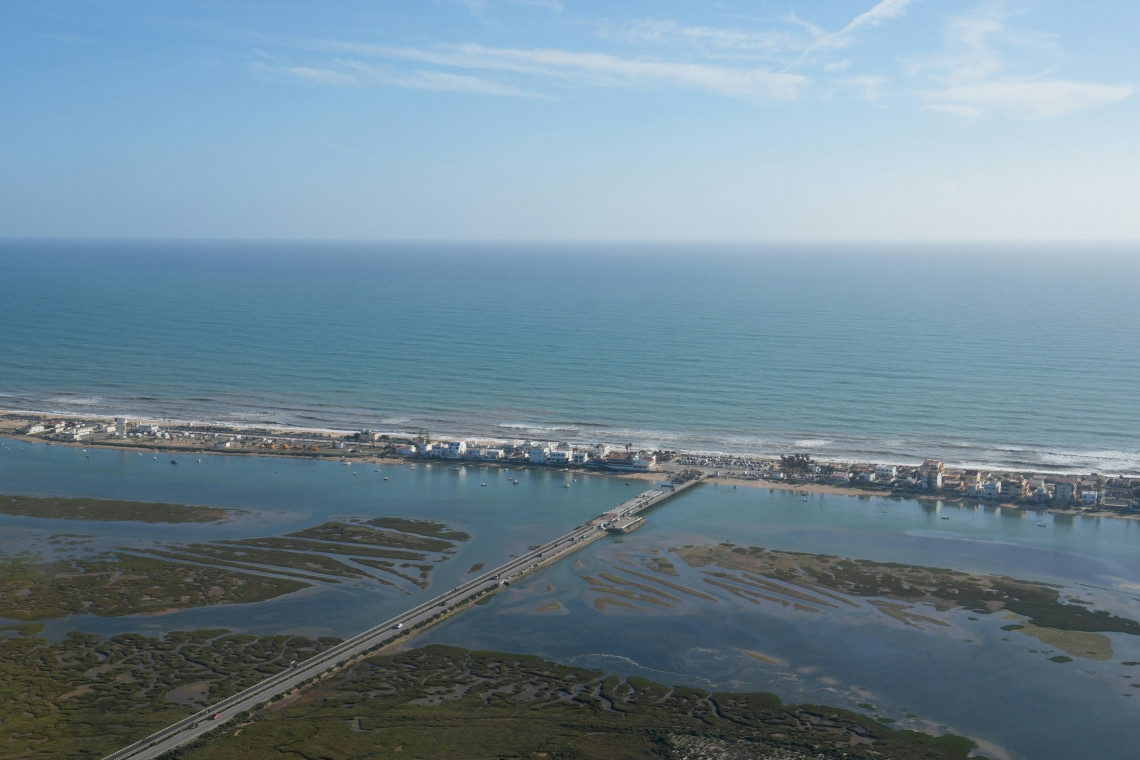
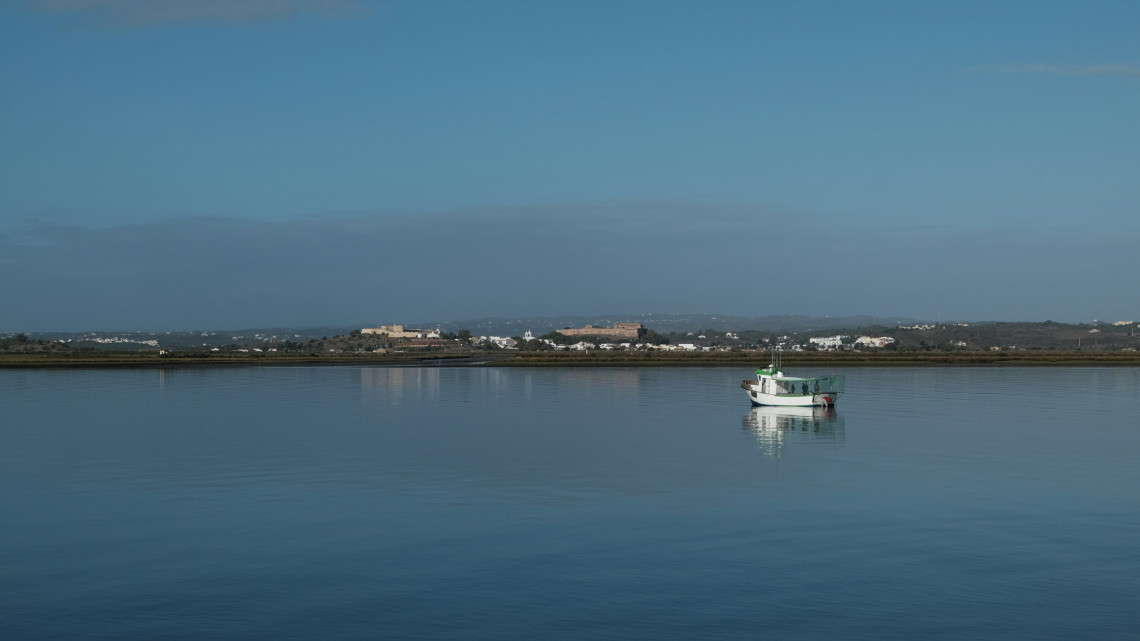
Stretching along the coast around Faro and Olhão, this lagoon system of barrier islands, channels and salt marshes is a haven for birdlife, including flamingos, and shellfish. Explore it by boat, or visit the island beaches it shelters.
4. Cape St Vincent (Cabo de São Vicente)
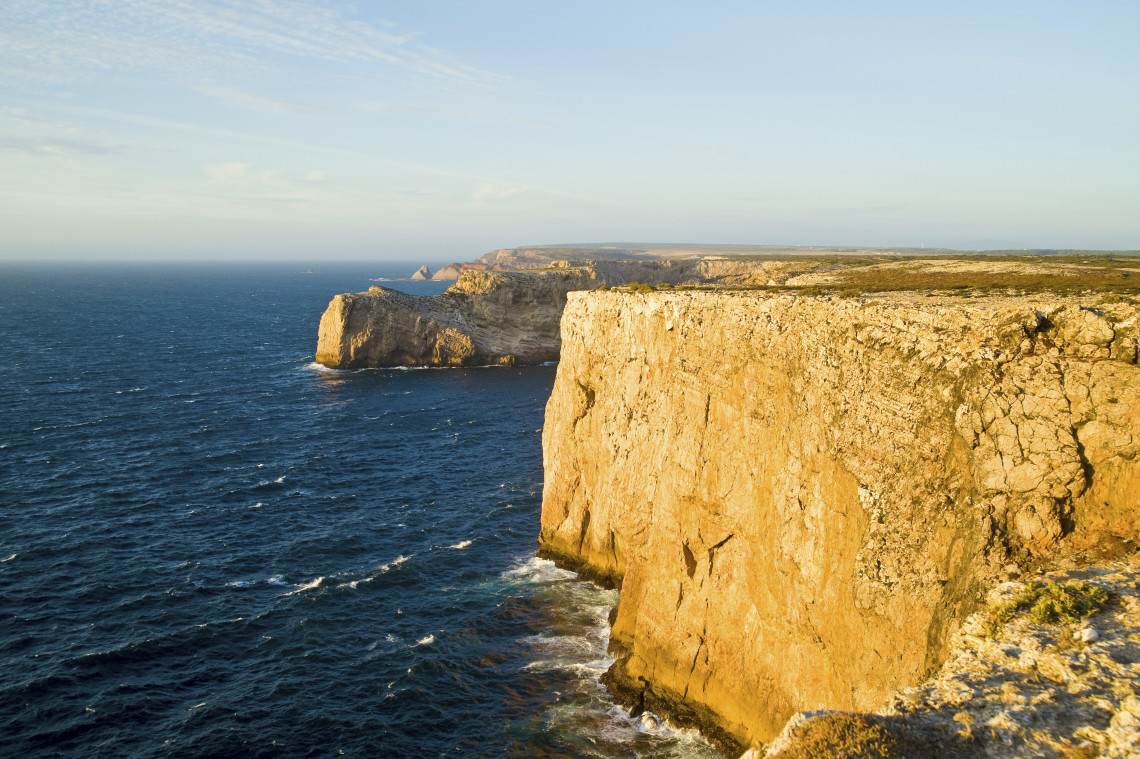
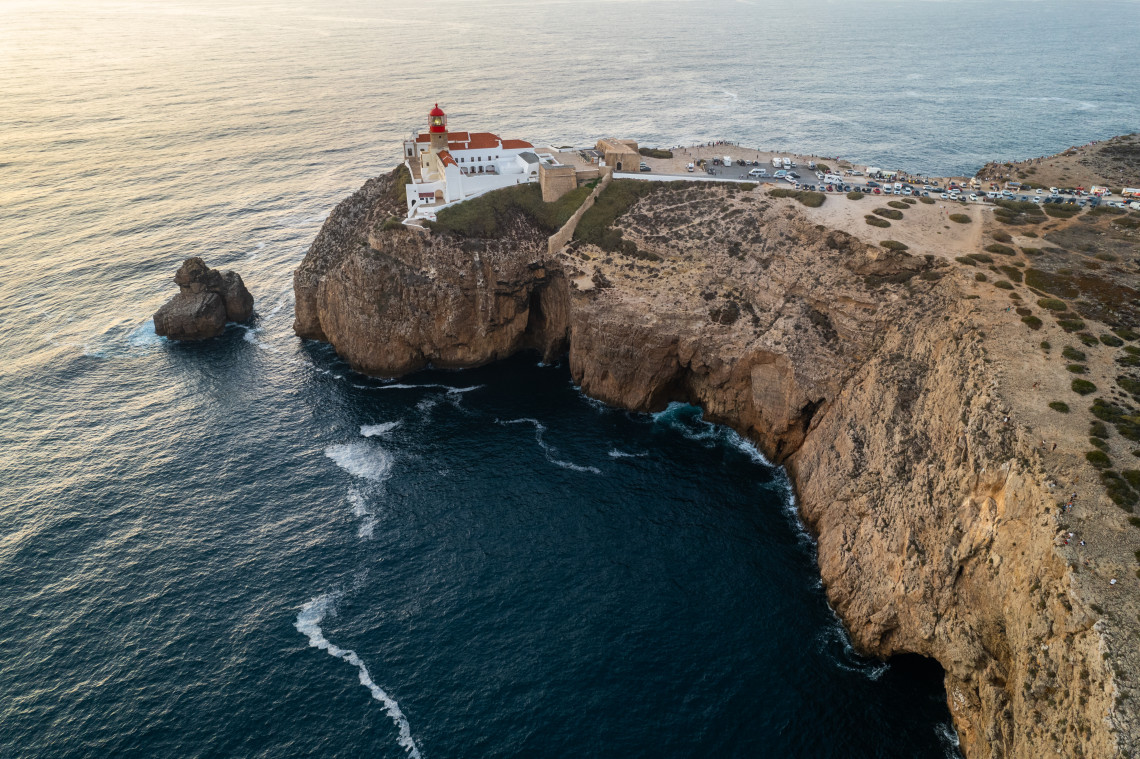
The rugged southwestern tip of mainland Europe, near Sagres, with towering cliffs, a historic lighthouse and vast Atlantic sunsets. It marks the meeting of the south and west coasts and is steeped in maritime history.
5. The Vicentine Coast
The Southwest Alentejo and Vicentine Coast Natural Park protects the wild, cliff-lined west coast, with unspoilt surf beaches, dramatic headlands and rare plants and birds. It is the Algarve at its most untamed, popular with surfers and walkers.
6. Monchique Mountains
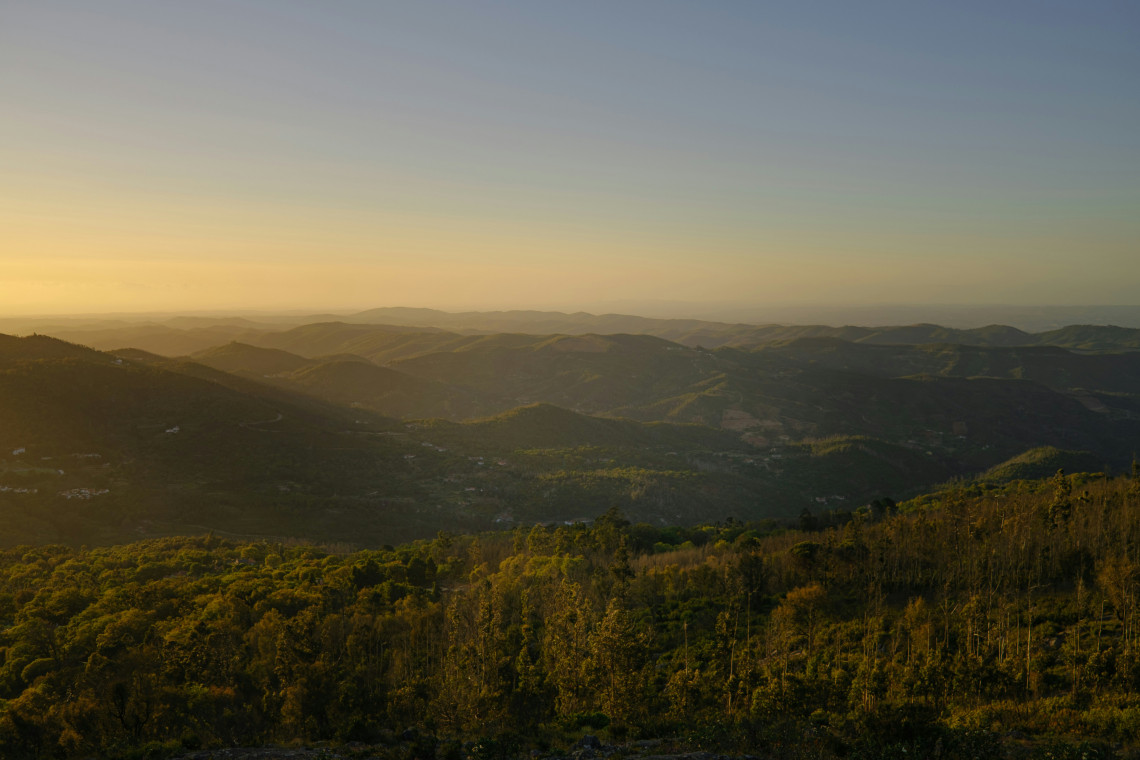
Inland, the green Monchique hills are a cooler, forested contrast to the coast, rising to Fóia, the highest point in the Algarve at around 900 m, with sweeping views. Known for eucalyptus, springs and the spa village of Caldas de Monchique.
7. Ria de Alvor
A smaller estuary and wetland near Portimão and Alvor, with a wooden boardwalk trail over the dunes and marshes, good for easy walks and birdwatching away from the crowds.
8. Castro Marim Marshes
On the eastern edge by the Spanish border, the Castro Marim and Vila Real de Santo António marshes are a nature reserve of salt pans and lagoons, a key spot for migratory birds and traditional salt harvesting.
9. Rocha da Pena
An inland limestone ridge near Salir, a protected reserve with a walking trail, caves, wildflowers and birds of prey, and long views over the Algarve's rolling interior.
10. Recife do Algarve marine park
A protected marine area off the central coast (around Pedra do Valado), created to safeguard reefs and marine life, and increasingly popular for diving and snorkelling.
Do not miss also: the Seven Hanging Valleys Trail (Percurso dos Sete Vales Suspensos), a spectacular clifftop walk between Praia da Marinha and Vale Centeanes.
How to explore the Algarve's nature
Many of these sights are spread along the coast and inland, so a car makes them far easier to reach. The sea caves and cliffs, including Benagil and Ponta da Piedade, are best seen on a boat trip, kayak or SUP tour. See our guide to getting around the Algarve.
Frequently asked questions about the Algarve's nature
What are the best natural attractions in the Algarve? The Benagil sea cave, the cliffs of Ponta da Piedade, the Ria Formosa Natural Park, Cape St Vincent and the wild Vicentine Coast, plus the Monchique mountains inland.
Is Benagil cave worth visiting? Yes, it is the Algarve's most iconic natural sight, famous for its domed roof and circular skylight. It can only be reached from the water, by boat, kayak or paddleboard.
Is Ria Formosa a national park? It is a Natural Park (Parque Natural da Ria Formosa), a protected lagoon system of barrier islands and marshes rich in birdlife, rather than a national park.
What is the highest point in the Algarve? Fóia, in the Monchique mountains, at around 900 metres, with wide views over the region and coast.
Where is Cape St Vincent? Near Sagres, at the southwestern tip of mainland Europe, marking the meeting of the Algarve's south and west coasts, with dramatic cliffs and a lighthouse.
Ready to Explore the Algarve's Nature?
A fly & drive package gives you flights, hotel and a car to reach every cliff, cave and park at your own pace, or let Portugal Getaways build the whole trip around you.