When is the Best Time to Visit Portugal? Seasonal Weather Guide
A charming and beautiful European country, Portugal has surged in popularity in recent years. Portugal is an all-year-round destination, with activities, experiences, and warm hospitality in every season.
Many travelers say you can visit at any time and still have an amazing trip. Often called “the garden planted at the edge of the sea,” Portugal is packed with places to see, from the Douro Valley to the amazing beaches of the Algarve, so a visit at any time of year feels worth it.
Summer is the most popular season and offers the widest range of activities. Spring brings blooming flowers and nature at its best. September and October still have mild weather and plenty of beach days. Winter has fewer crowds and is ideal for city exploring. Still, it is hard to pick one best month, since Portugal has great weather and is one of Europe’s sunniest countries.
Plan Your best vacation possible with this comprehensive seasonal weather guide.
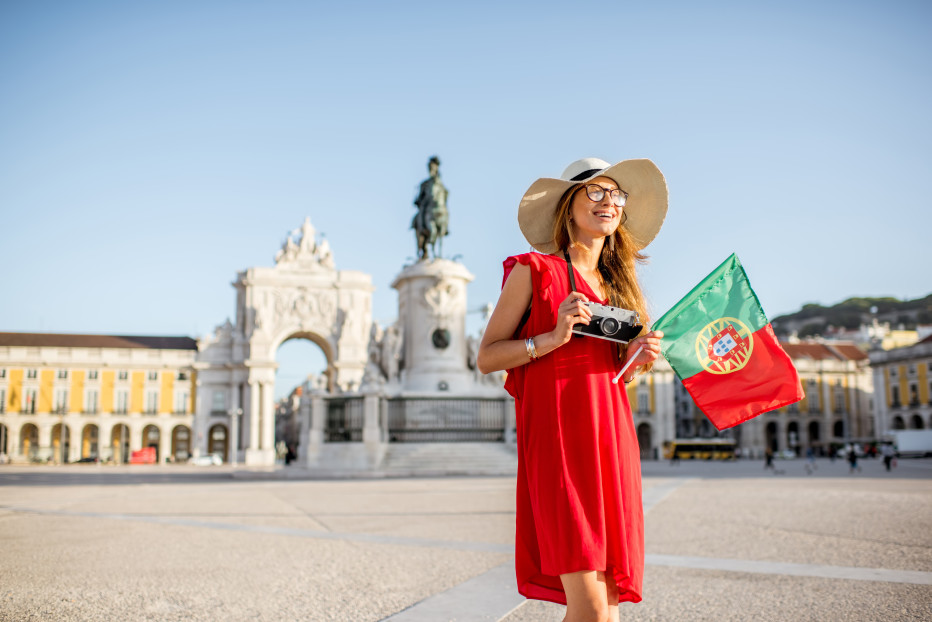
Summer is the Best Season for Sun, Beaches, and Outdoor Activities
Summer is the best season for sun, beaches, and outdoor activities.
Many people define summer in Portugal as June to August. Locals often stretch it further, since summer-like temperatures can start in late May and last into mid-September, depending on the region and the year.
This season is full of festivals, concerts, and traditional celebrations across the country.
Choosing the best summer month can be tough. Each month feels different, and the best choice depends on the region you plan to visit.
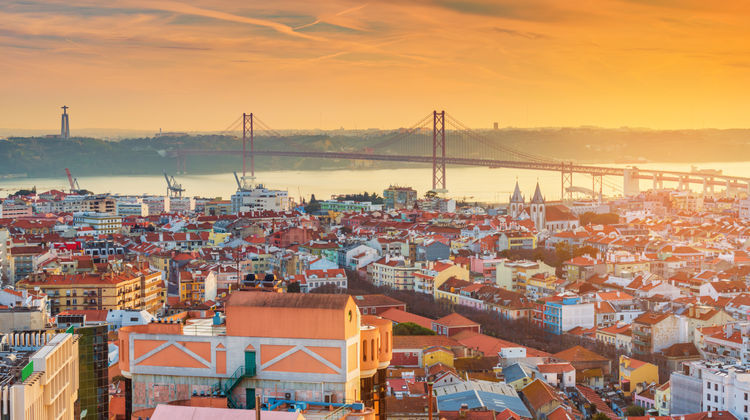
For the biggest traditional parties, visit in June. Lisbon hosts the Festas de Lisboa, also known as Santos Populares, early in the month. Around June 23, Porto celebrates the Festa de São João, one of Portugal’s most iconic nights.
July and August are still great, with plenty of activities and local events. In the Algarve, sea temperatures peak in July and August. In the Alentejo, visit the vineyards and taste its distinctive, world-known wines.
In summer, you can enjoy terrace dinners with ocean views and open-air concerts. Rock in Rio Lisboa takes place in June every two years, and NOS Alive runs each July. Prices are higher in this season, so book earlier for better rates.
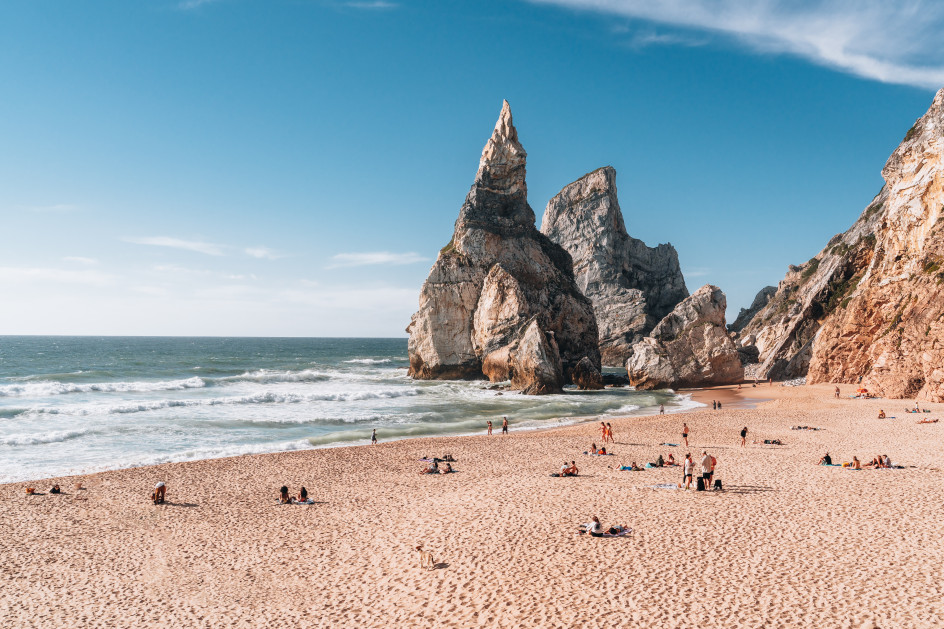
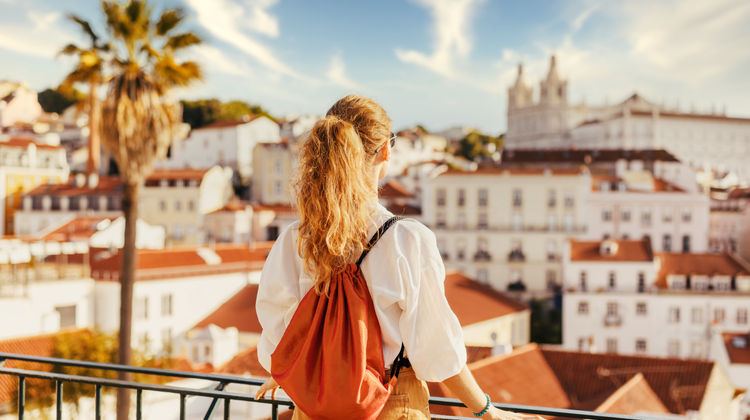
is a perfect spot for sun, ocean views, and a laid-back beach day.
Winter Season for Budget trips and Fewer crowds
Winter brings quieter streets and shorter lines at many top sights. Museums stay open, and restaurants keep their normal rhythm, so culture trips still feel full.
Lisbon turns festive in December. Wonderland Lisboa takes over Parque Eduardo VII from late November to early January, with a Christmas market, a Ferris wheel, an ice rink, and family areas.
Christmas markets pop up across the country in December. Madeira runs daily holiday events from December to early January, with Market Night on December 23 and fireworks on December 31.
Winter also shines for food and wine. You get hearty seasonal dishes, seafood, and long dinners without peak-season pressure. Weather shifts more from day to day in winter. Pack a light rain jacket, a warm layer, and waterproof shoes.
Region matters most in this season. The Algarve stays mild, with January daytime highs around 16°C (61°F) in Faro, and many days suit ocean walks. Lisbon and Porto feel cooler, and the north sees more rain.
November marks the start of the cooler stretch. December brings the most holiday atmosphere. January and February feel calm outside holiday weeks, and prices often drop. March starts to warm up, and days feel longer again.
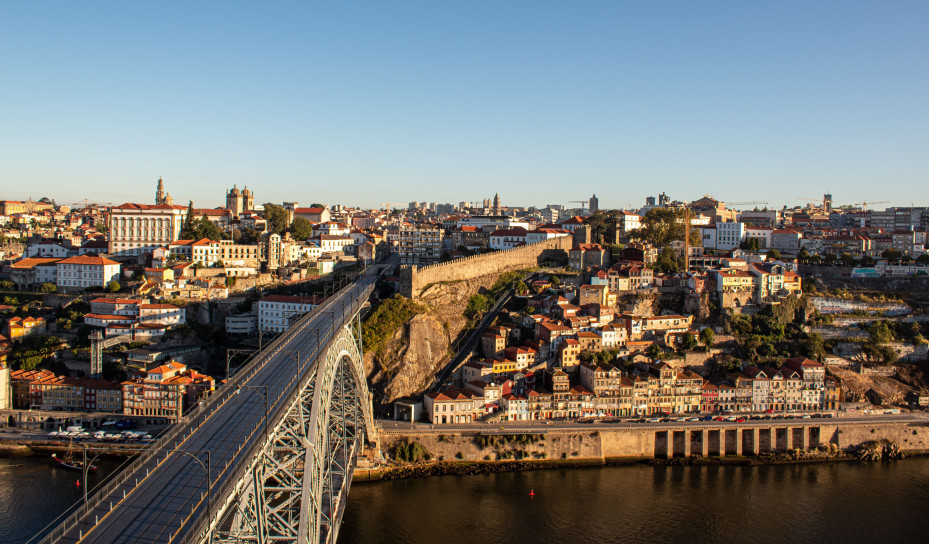
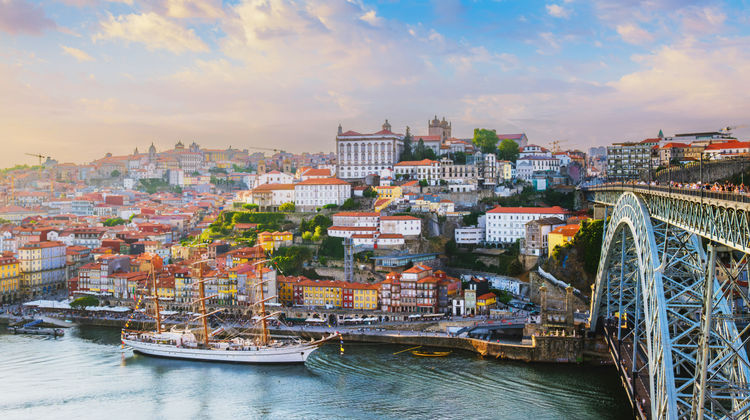
scenic Douro River views that make city breaks more budget-friendly.
Spring and Fall are Best for Nature Sightseeing and Exploration
This is the season to see how nature evolves in this great country. Days start getting longer, rainy days become less frequent, and temperatures stay mild across the country. If you want to explore, see the best sights at their peak, and still avoid the heavy crowds, this is the season to visit.
Spring, from late March to May, arrives with warmer temperatures and more sunshine across the country. It also brings major holidays like Easter and Holy Week. April is full of nature, with flowers blooming across Portugal, including wildflowers in the south, and Easter processions adding excitement. Freedom Day (April 25) is one of the biggest holidays in Portugal, and in some cities you can see parades and fireworks.
This is a great season to start going to the beach, catch some sunshine, go hiking, and enjoy outdoor activities, while still taking in the culture and festivities of Portugal.
Fall (October to November) is also a great time to visit, with mild weather, changing leaves, and the start of harvest season. As temperatures drop, it is a great time to visit vineyards during harvest, in the Douro Region or in the Alentejo. If you like birdwatching, this is also a great season, since birds migrate to other continents like Africa.
The ocean is still warm in this season. Shifting ocean currents often mean the waters off central Portugal are at their warmest, and air temperatures can still be high enough for a good splash at the beach.
If you love big waves or surfing, this is also the season to come. Just search on YouTube for Nazaré waves and you will see why.
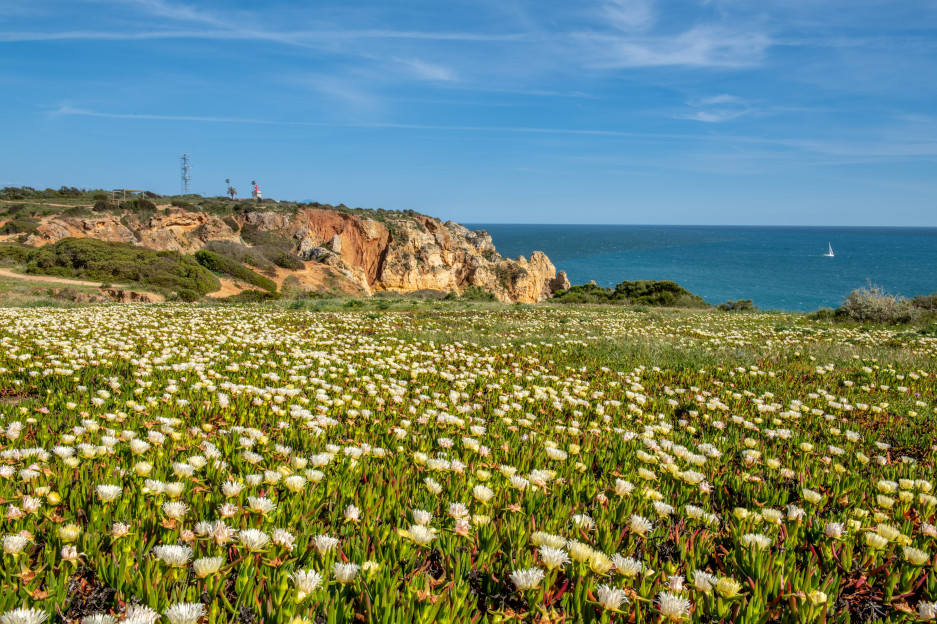
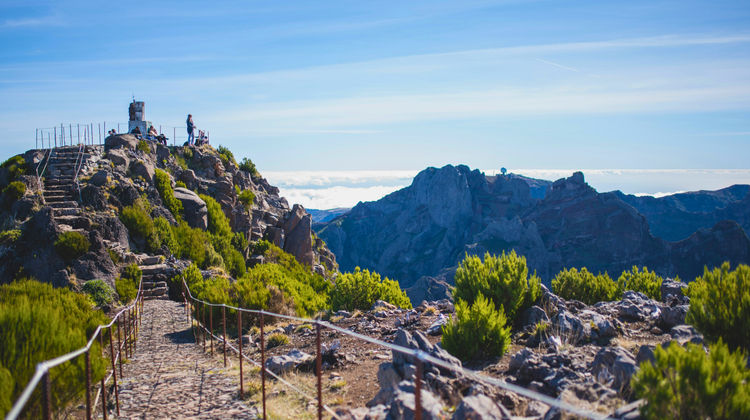
mild weather with cliff walks, ocean views, and wildflowers in bloom.
So, When is the Best time to Visit?
It really depends on you. If you want the best weather, nightlife, festivals, and warmer ocean temperatures, visit in summer. You will get long days, great food, and plenty of time by the sea.
If you want to explore the country, taste its food and wine, and focus on culture, visit in winter. You get fewer crowds, lower prices, and most places still stay open, with some holiday events too.
If you want comfortable temperatures, great sightseeing, and fewer crowds, visit in spring. It is a great season for city days, nature, and even a first beach day on warmer afternoons.
As Portuguese travel experts, we are ready to welcome you in any season. Whatever time you choose, we will help you plan a trip that feels right for you.
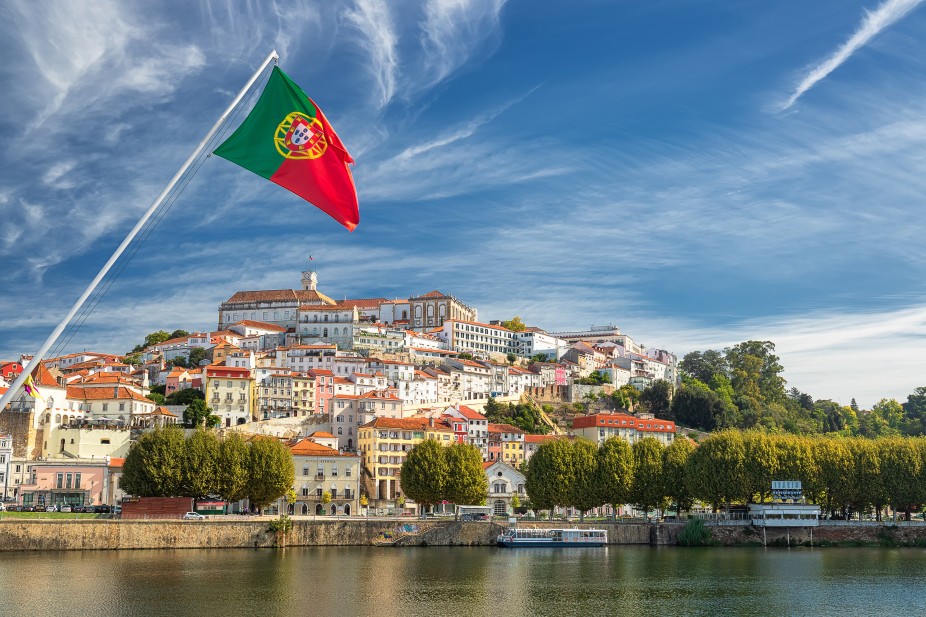
Coimbra pairs historic hilltop streets with riverside scenery worth visiting year-round.
When is the Cheapest Time to Explore Portugal?
We recommend booking a trip during late november until march, while the weather is in some days rainy, there’s still plenty of sunshine during this season and prices are much lower.
When is the Peak Season?
Peak season runs from late May to early September, mainly in Portugal’s coastal areas. The Algarve is busiest in July and August, helped by its beaches and warmer water temperatures. Lisbon and Porto also see high demand in summer, since they are the two biggest cities and known for culture.
September and October are also important in the Douro Region. It is harvest season, so this period is a peak time for wine-focused trips.
When Visiting Portugal for the First Time, Where Should You Go?
As Portuguese experts, we suggest a road trip or a train trip for a first visit through various cities. It gives you a real feel for the culture, the food, and the hospitality you find across the country. You get to see different cities and regions in one trip, then on your next visit you can return to the place you loved most and slow down.
Your best route still depends on your interests. If you travel mainly for culture and food, Portugal works year-round. If you want water activities or swimming, we suggest the Algarve or other coastal areas. If you want to avoid crowds in any season, we suggest Alentejo, known for its hilltop villages, wide plains, olive trees, and gorgeous vineyards.
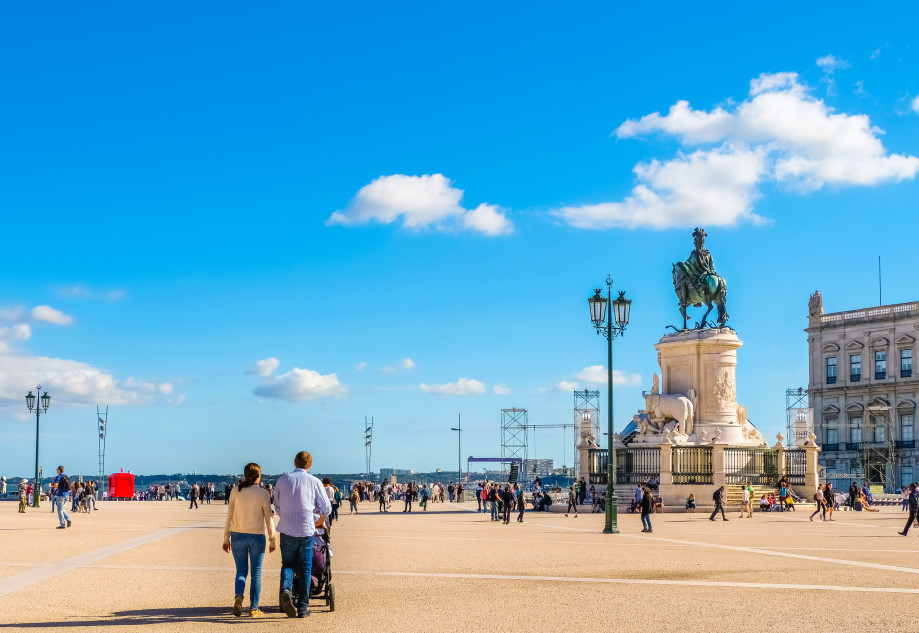
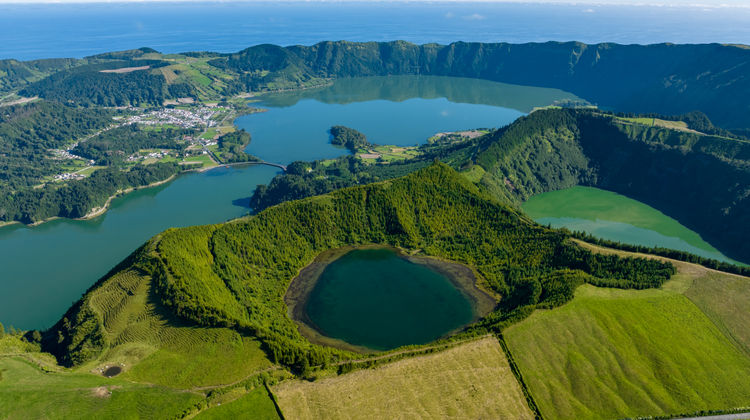
As a local suggestion for a first trip, focus on four regions. Start in Porto, then add the Douro Valley for its river views and wine country. Continue to Lisbon for its culture and architecture. Make a quick stop in Évora to see the Roman Temple and other UNESCO-listed sites. Finish in the Algarve, where you can slow down, swim, and relax. If you have extra time, add an island stay in the Azores or Madeira.
Try to go beyond the main hotspots too. Add smaller places that show a different side of Portugal, like Óbidos, Viseu, Mafra, Sintra, and other less-visited towns.
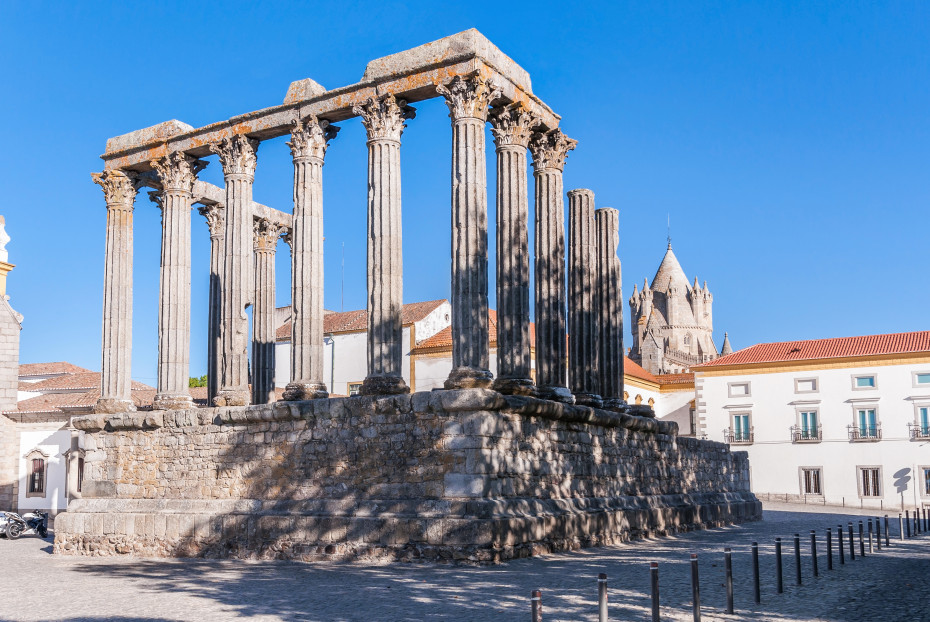
Alentejo an easy cultural highlight between Lisbon and the Algarve.
.jpg "Playa de las Teresitas, Tenerife, Canary Islands, Spain")
ricardo-faria-paulino-(3).jpg)