by Portugal Getaways Team
July 13, 2026 • 6 min read
Madeira for digital nomads, in short
Why Madeira works for remote work
Madeira put itself on the map for remote workers when it launched a dedicated Digital Nomad Village in 2021, and the appeal has held: a friendly community, good infrastructure, nature on your doorstep, and prices that stretch further than in most European cities. You get the focus of an island base with the option to hike, surf or explore at the weekend.
The Ponta do Sol Digital Nomad Village
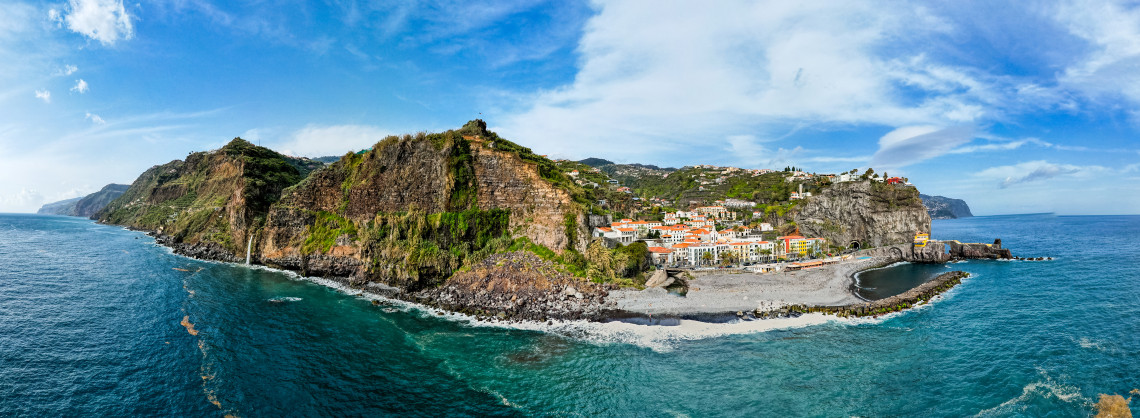
Madeira's Digital Nomad Village is based in the sunny south-coast town of Ponta do Sol, set up in partnership between the regional government and Startup Madeira. It gives remote workers a ready-made community: a free coworking space, an active online community for meeting others and finding accommodation, and regular events and meetups. Many nomads use it as a soft landing before deciding where on the island to settle. Funchal, the capital, is the other main base, with more apartments, cafés and coworking options.
Internet and workspaces
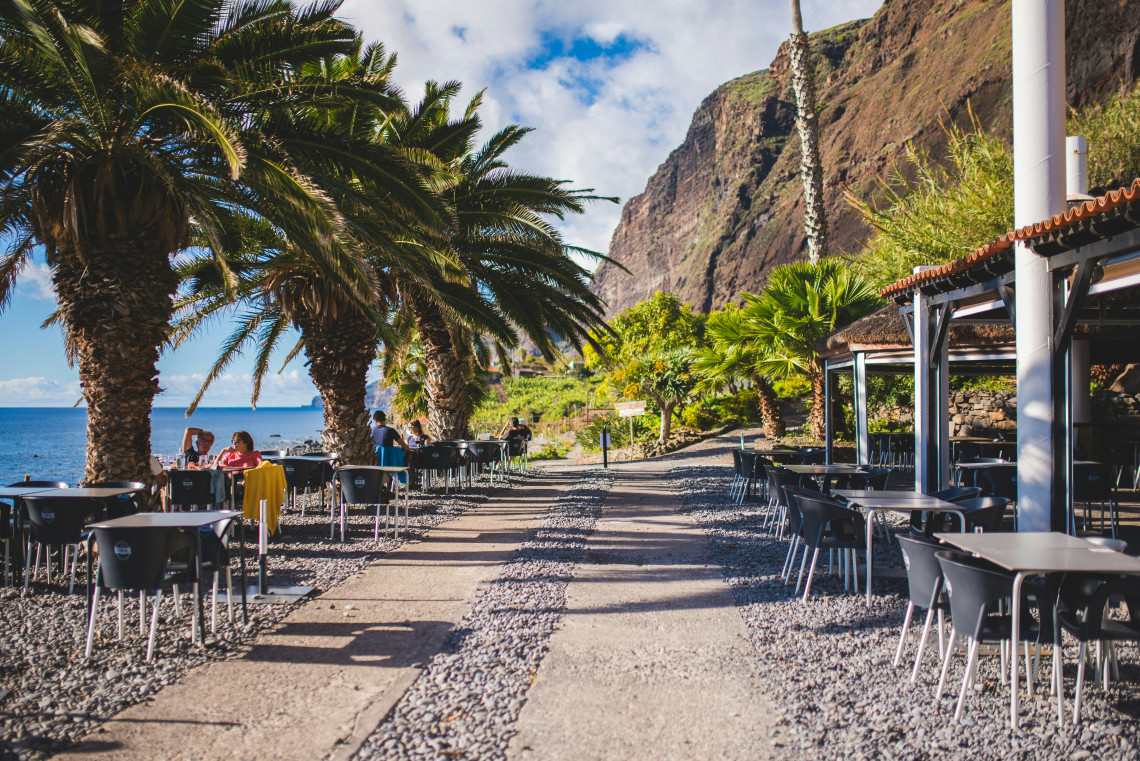
Connectivity is one of Madeira's strong points. Funchal and the main towns have solid fibre broadband and good 4G and 5G mobile coverage, fast enough for video calls and heavy uploads. You will find coworking spaces in Funchal and at the Ponta do Sol village, and many cafés and hotels offer reliable Wi-Fi. As anywhere, connections can be patchier in remote mountain areas, so it is worth checking before booking a rural stay.
Cost of living
Madeira is more affordable than most of Western Europe, though prices in Funchal have risen with its popularity. Rent is the main cost, and long-term stays are far better value than short holiday lets. Eating out, local produce and coffee are inexpensive, and you can live comfortably here for less than in most mainland European capitals.

Do you need a visa? The D8 digital nomad visa
EU and EEA citizens can live and work in Madeira freely, as it is part of Portugal. Non-EU remote workers can apply for Portugal's D8 digital nomad visa, which lets freelancers, remote employees and entrepreneurs live and work in the country. It requires proof of a stable monthly income earned outside Portugal, set at around four times the Portuguese minimum wage (roughly €3,680 per month as of 2026), plus savings and accommodation. The exact figures change each year, so check the current requirements with an official source or immigration lawyer before you apply.
Where to base yourself
- Ponta do Sol: the heart of the Digital Nomad Village, sunny and community-focused, best for meeting other nomads.
- Funchal: the capital, with the widest choice of apartments, cafés, coworking and nightlife.
- Calheta: a quieter, beachy west-coast option with plenty of sun.
Best time to come
Madeira's mild climate makes it a year-round base, but spring and autumn are especially pleasant for combining work with getting outdoors. For a month-by-month view, see the best time to visit Madeira, and check how to get around once you arrive.
Frequently asked questions about Madeira for digital nomads
Is Madeira good for digital nomads? Yes. It has a dedicated Digital Nomad Village in Ponta do Sol, reliable high-speed internet, a lower cost of living than most of Western Europe, mild year-round weather and a safe, welcoming atmosphere.
Do I need a visa to work remotely from Madeira? EU and EEA citizens do not, as Madeira is part of Portugal. Non-EU nomads can apply for Portugal's D8 digital nomad visa, which requires proof of income earned outside Portugal.
Is the internet good in Madeira? Yes. Funchal and the main towns have fast fibre broadband and good 4G and 5G coverage, fine for video calls and remote work. Connections can be weaker in remote mountain areas.
How much does the D8 visa require you to earn? Around four times the Portuguese minimum wage, roughly €3,680 per month as of 2026, plus savings and accommodation. The figure changes yearly, so confirm the current requirement before applying.
Where do digital nomads stay in Madeira? Mostly in Ponta do Sol, home of the Digital Nomad Village, and in Funchal, which has the most apartments, cafés and coworking spaces.
Thinking of Basing Yourself in Madeira?
Come and scope out the island first. Portugal Getaways can plan a trip to help you get a feel for Funchal, Ponta do Sol and beyond before you commit to a longer stay.