by Portugal Getaways Team
July 08, 2026 • 9 min read
What to see in Porto, in short
Porto is a city of tiled façades, granite churches, a working riverfront and Port wine lodges just across the water. Most of what you will want to see is within walking distance in the historic centre, a UNESCO World Heritage area. Here are the ten places to put at the top of your list
Top 10 places to visit in Porto
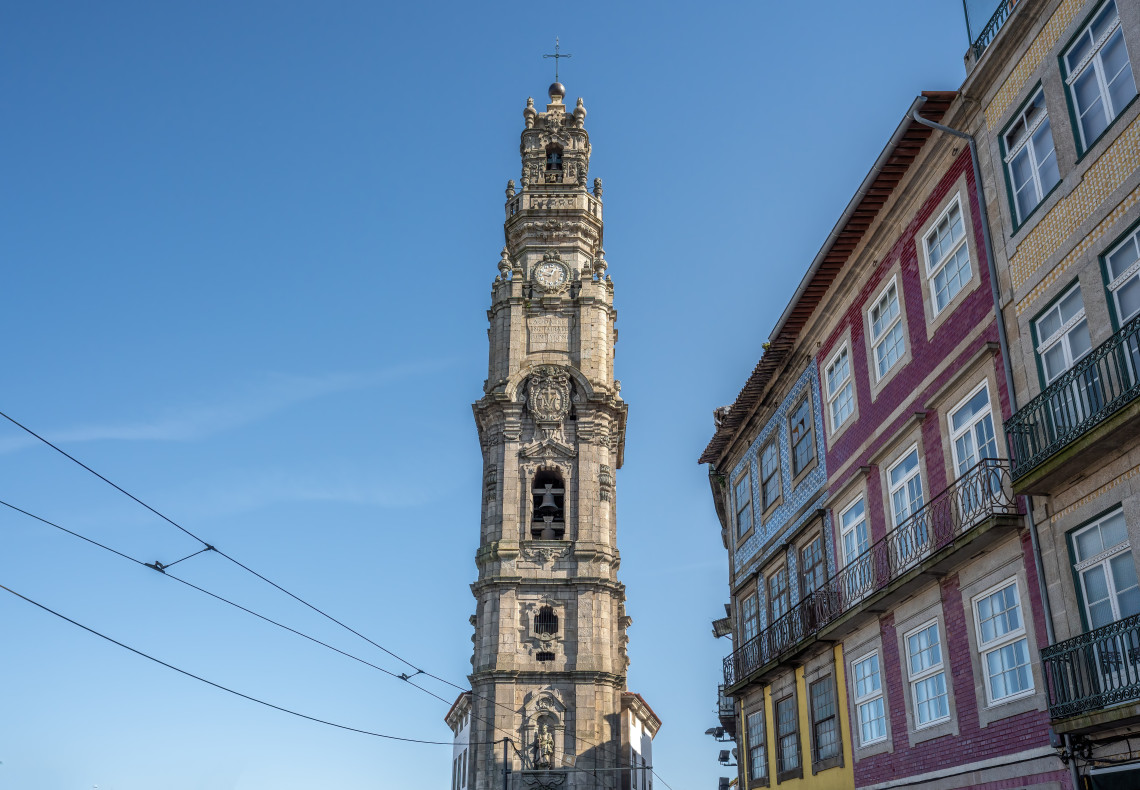
1. Clérigos Tower
Designed by the Italian architect Nicolau Nasoni in the 18th century, the baroque Clérigos Tower rises about 75 metres over the city and is one of its most recognisable landmarks. Climb the roughly 200 steps to the top for a 360 degree view over Porto's rooftops, the river and out to the sea. The tower is part of the Clérigos Church, whose oval nave is worth a look on the way in.
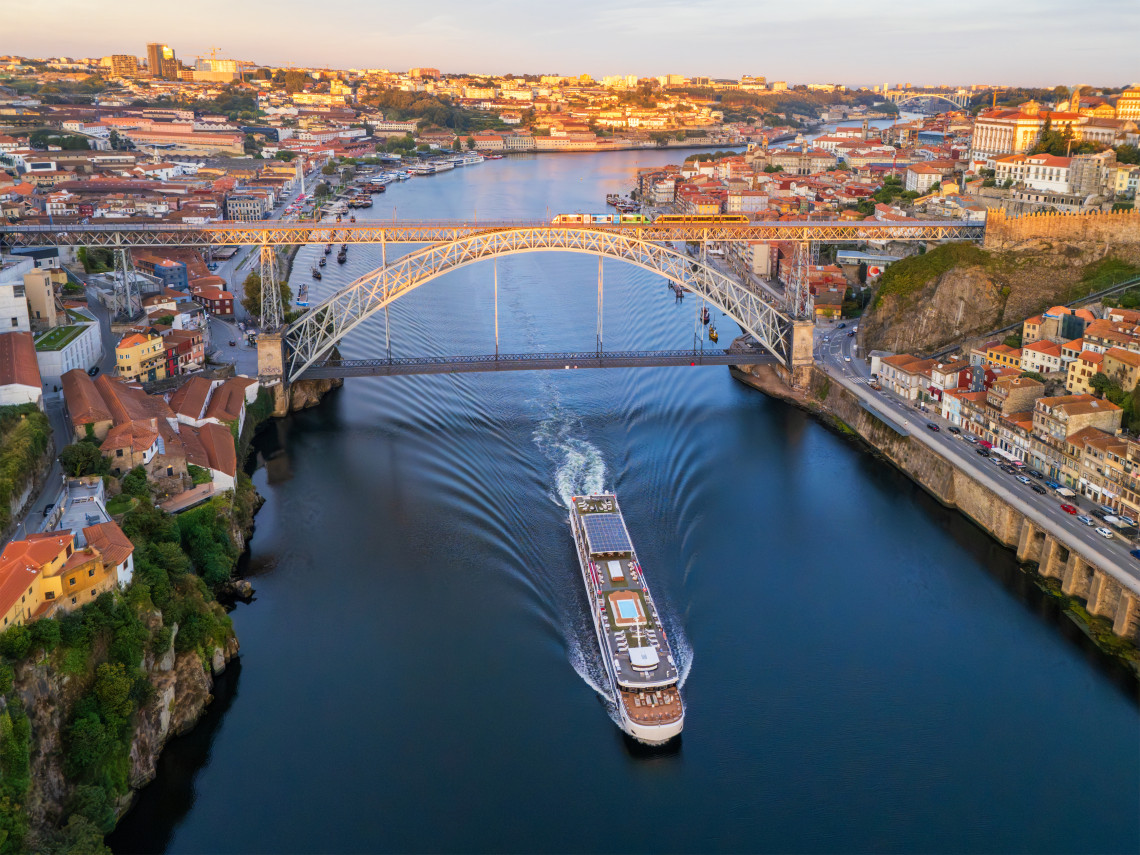
2. Luís I Bridge
The double-deck iron arch bridge over the Douro is Porto's signature image. It opened in 1886 and was engineered by Théophile Seyrig, a former partner of Gustave Eiffel, which explains its resemblance to Eiffel's work. Walk the upper deck, shared with the metro, for the best views over the river and the old town, or cross the lower deck to reach the Port cellars in Vila Nova de Gaia. See our guide to the Dom Luís Bridge.
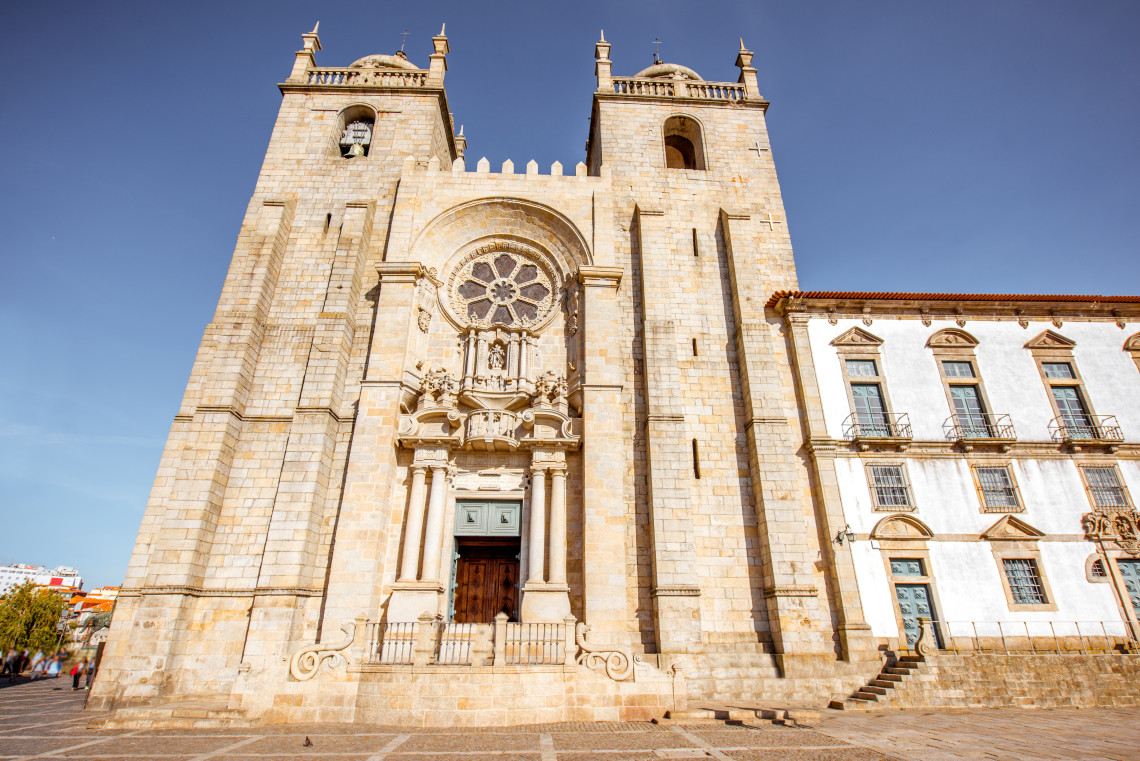
3. Porto Cathedral (Sé do Porto)
Crowning the oldest part of the city, the fortress-like Sé began as a Romanesque church in the 12th century and was reworked over the centuries. Inside you will find a Gothic cloister lined with blue azulejo tiles, and the terrace outside is one of the best free viewpoints in Porto. The square in front is also where the panoramic old town walks tend to begin.
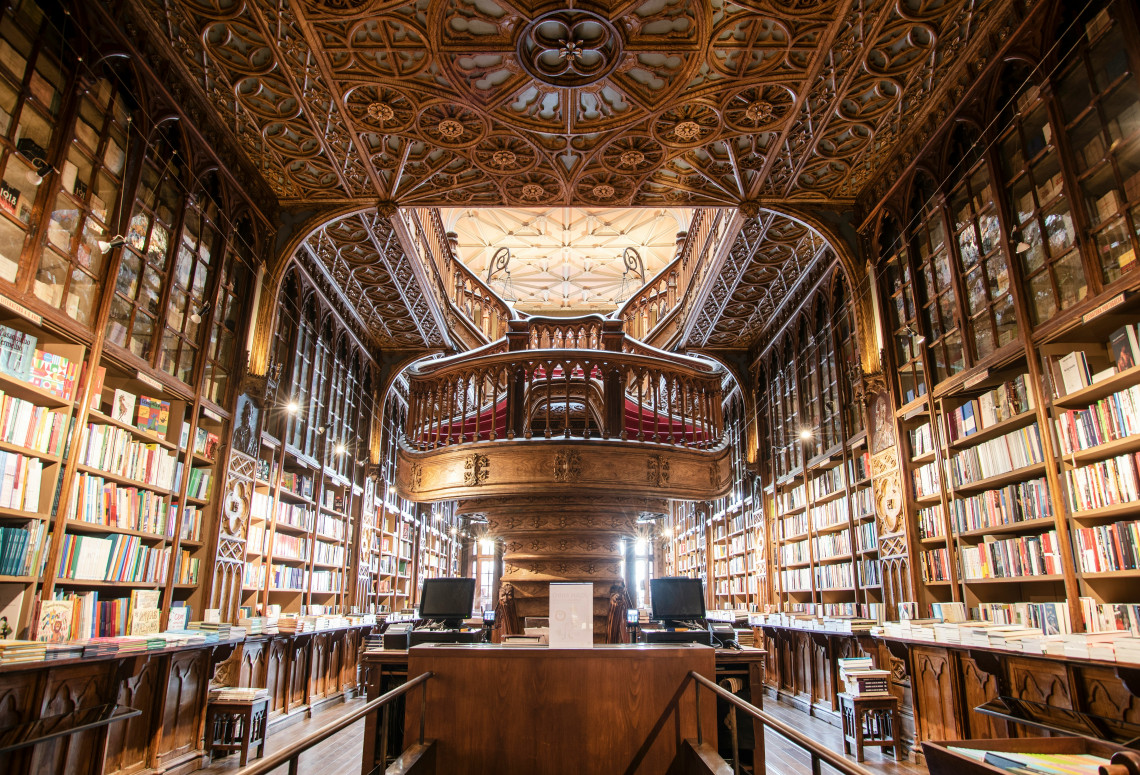
4. Livraria Lello
Opened in 1906, Lello is regularly called one of the most beautiful bookshops in the world, with a sinuous crimson staircase, carved wood and a stained glass skylight. Its fairy-tale interior has long drawn crowds, helped by its links to Porto's literary scene. Entry is ticketed, with the fee redeemable against a book, so buy a ticket in advance and arrive early to avoid the longest queues.
5. Casa da Música
Porto's bold concert hall, designed by the Dutch architect Rem Koolhaas and opened in 2005, is a striking piece of modern architecture in an otherwise historic city. It is the home of the city's orchestras and hosts concerts across many genres. Guided tours take you inside the dramatic, angular interior even when there is no performance.

6. Capela das Almas
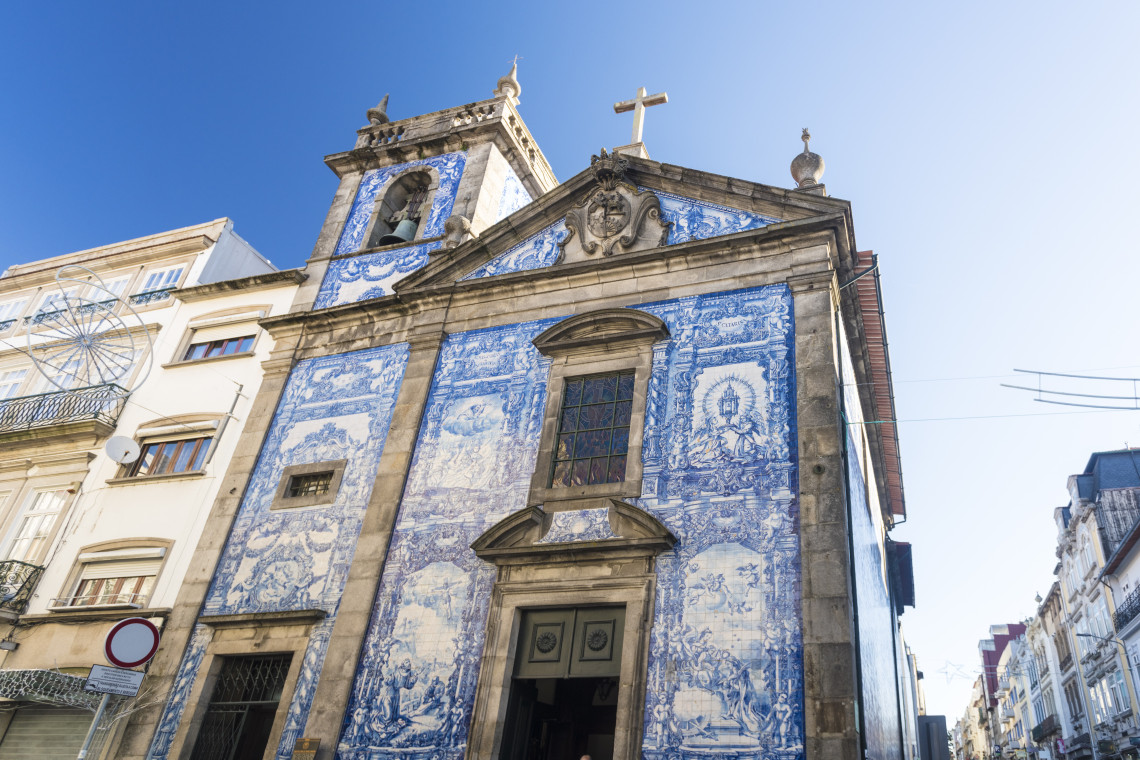
On the busy shopping street of Rua de Santa Catarina, the Chapel of Souls is wrapped in around 16,000 blue and white azulejo tiles. The panels, added in the early 20th century, depict scenes from the lives of Saint Francis of Assisi and Saint Catherine. It is one of the most photographed façades in the city.
7. Igreja do Carmo
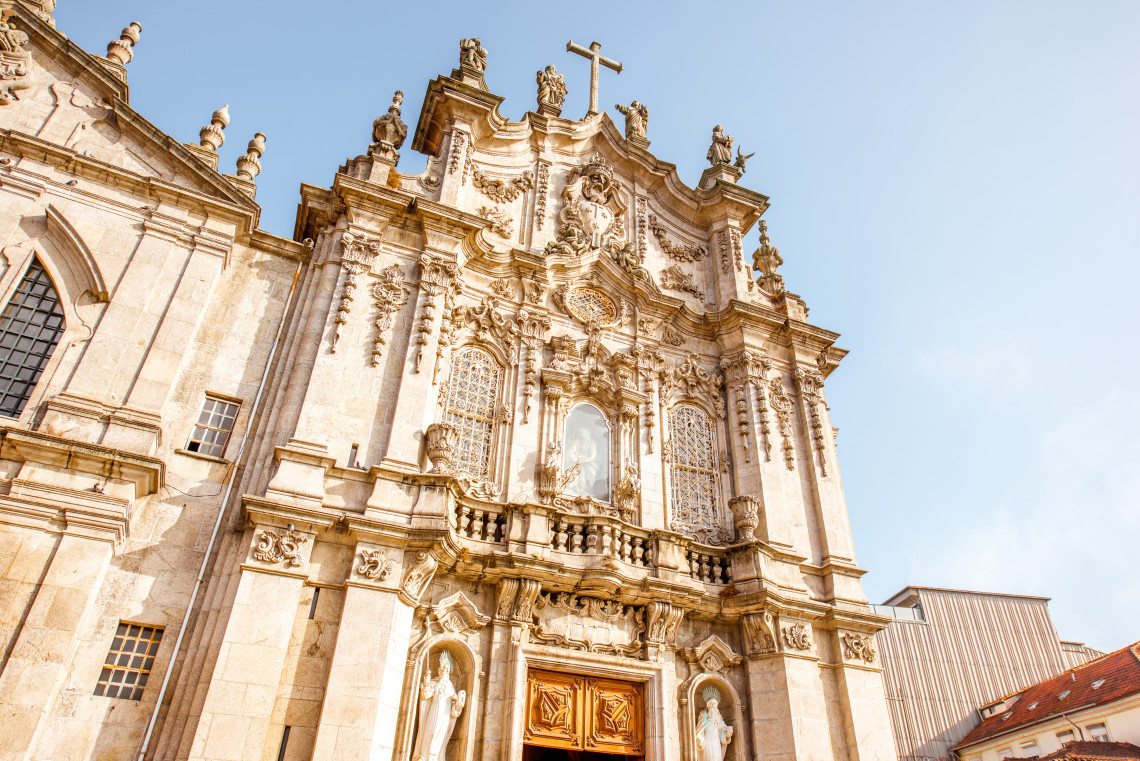
This 18th-century baroque church is famous for the enormous azulejo panel covering its entire side wall, added in the early 1900s. It stands beside the older Carmelites Church, and the two are separated by one of the narrowest houses you will ever see, once built to keep the religious communities apart.
8. Jardins do Palácio de Cristal
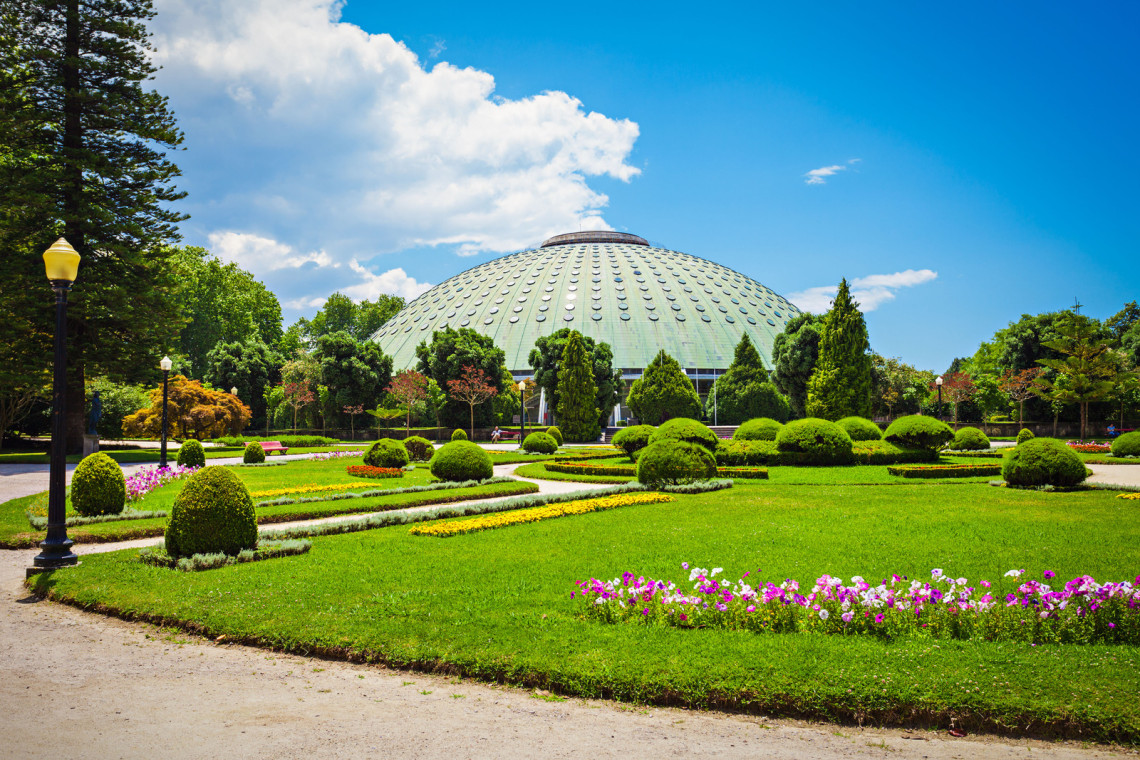
These hillside gardens above the Douro are a peaceful escape, with shaded avenues, fountains, resident peacocks and some of the finest river views in Porto. At their centre sits a large domed pavilion used for events. It is an easy, pretty stroll away from the busier centre.
9. Palácio da Bolsa
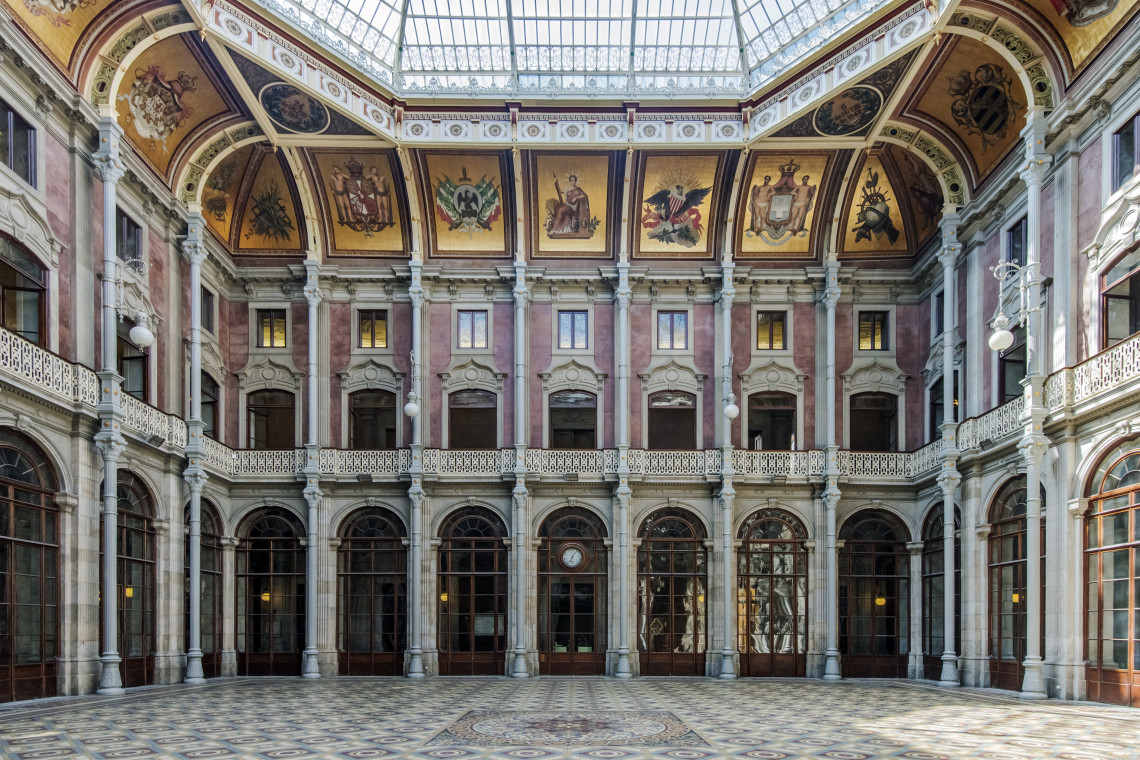
Porto's 19th-century former stock exchange was built by the city's Commercial Association to impress visiting traders, and it still does. The highlight is the spectacular Arabian Room, inspired by the Alhambra in Granada, alongside grand halls and staircases. You visit on a guided tour, which runs regularly through the day.
10. São Bento Station
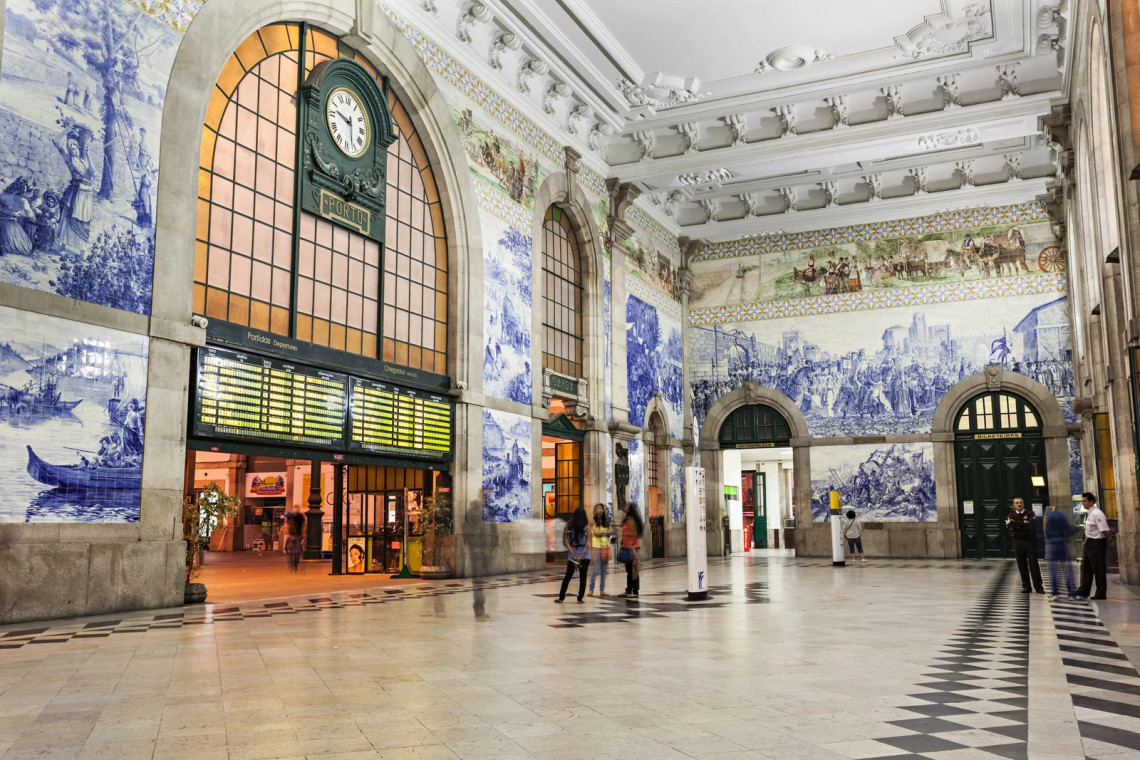
Even if you are not catching a train, step into São Bento station to see its entrance hall, lined with around 20,000 azulejo tiles. Painted by Jorge Colaço and completed in the 1910s, they depict scenes from Portuguese history and traditional rural life. It is one of the most beautiful railway stations in Europe and sits right in the centre.
Do not miss also: the Ribeira riverfront and its cafés, a Port cellar tour across the river in Vila Nova de Gaia, a Douro river cruise, and the beaches out at Foz.
Frequently asked questions about visiting Porto
What should you not miss in Porto? The Clérigos Tower, the Luís I Bridge, the Lello bookshop, São Bento station, the Ribeira riverfront, and a Port cellar tour in Vila Nova de Gaia across the river.
What is Porto best known for? Porto is best known for Port wine, its historic riverside old town (a UNESCO World Heritage site), the Luís I Bridge, and its blue and white azulejo tiles.
How many days do you need in Porto? Two days covers the main sights comfortably. Add a third day for a Douro Valley day trip or time at the Foz beaches.
Can you see Porto in one day? Yes, you can walk the highlights in a day: the old town, São Bento, Clérigos, the Ribeira and a quick Port tasting in Gaia. Two days is more relaxed.
Is Porto a walkable city? Yes, the centre is compact and walkable, though hilly. Trams, the funicular and the metro help with the steeper stretches.
Ready to Experience Porto?
Portugal Getaways plans your Porto trip with local experts: hand-picked hotels, tours and Port tastings, transport sorted, and all-in pricing with no surprises.