by Portugal Getaways Team
July 13, 2026 • 7 min read
Portugal's islands, in short
What are the Portuguese islands?
Beyond mainland Portugal, the country has two archipelagos out in the Atlantic, both autonomous regions with their own governments:
- Madeira: a small archipelago about 1,000 km southwest of Lisbon, made up of the main island of Madeira, the golden-sand island of Porto Santo, and the uninhabited Desertas and Selvagens nature reserves.
- The Azores: a remote group of nine islands around 1,500 km west of the mainland, split into three groups. São Miguel is the largest, home to the capital Ponta Delgada, and Pico is home to Portugal's highest mountain at 2,351 m.
Both are green, volcanic and mild all year, but they feel quite different in practice. Here is how to choose.

Madeira: warm, scenic and easy
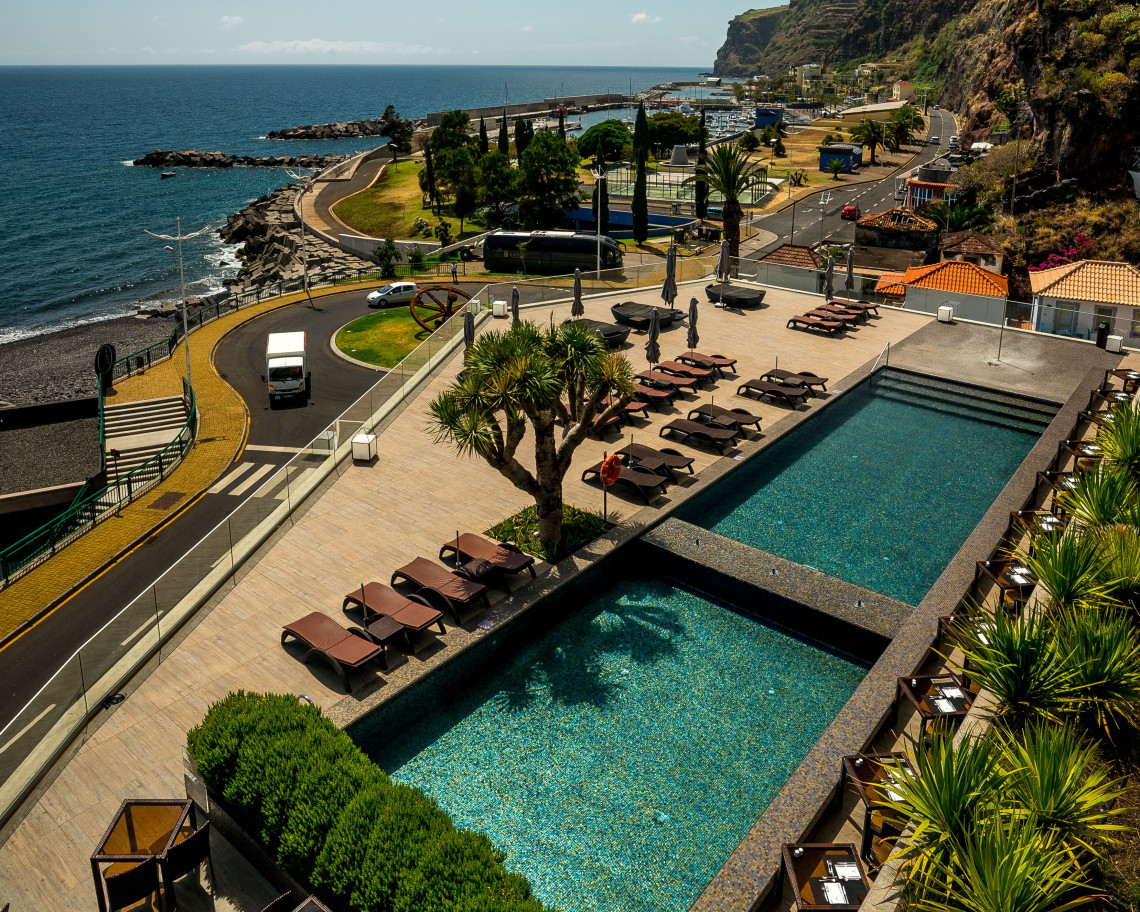
Madeira is the more developed and accessible of the two, with direct flights from many European cities and the widest choice of hotels, restaurants and tours. It is famous for its levada walks, botanical gardens, dramatic peaks and the lively capital of Funchal, plus a warmer, sunnier climate. It suits travellers who want spectacular nature without giving up comfort, nightlife or good infrastructure.
The Azores: wild, green and remote
The Azores are quieter, greener and more rugged, a paradise for nature lovers who want to slow down. Think crater lakes, thermal hot springs, dramatic coastlines and some of the best whale watching in the world, spread across nine islands. They are more remote and the weather is more changeable, which is part of the appeal for anyone chasing unspoilt landscapes and fewer crowds.
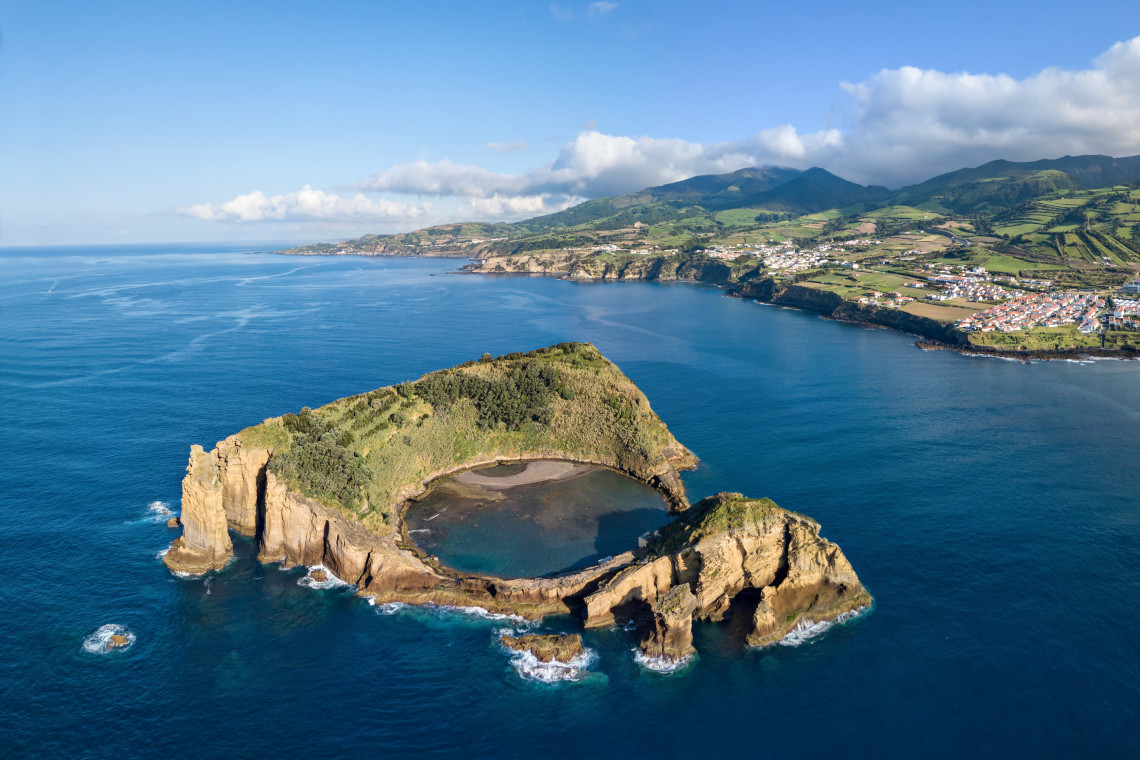
Azores or Madeira: which should you choose?
Both are wonderful, so it comes down to your travel style:
- Hot springs and volcanic pools: the Azores (especially São Miguel).
- Warm, sunny weather: Madeira, which is milder and drier year-round.
- Easy to reach and get around: Madeira, with more flights and infrastructure.
- Lively city, nightlife and events: Madeira and Funchal.
- Luxury hotels and spas: Madeira has the wider choice.
- Wild, unspoilt nature and fewer crowds: the Azores.
- Hiking and levada or crater walks: both, superb in each.
- Whale watching: both, with the Azores especially renowned.
- Food and wine: both, each with its own specialities.
A popular option is to visit Madeira first, as the easier introduction, and save the Azores for a return trip focused on nature.
Getting there
Both archipelagos are reached by air, mainly through Lisbon or Porto, with Madeira also served by many direct flights from across Europe. See our guide to how to get to Madeira.
Frequently asked questions about Portugal's islands
How many islands does Portugal have? Portugal has two Atlantic archipelagos: Madeira, made up of Madeira, Porto Santo and the uninhabited Desertas and Selvagens, and the Azores, a group of nine islands.
Which is better, the Azores or Madeira? Neither is simply better. Madeira is warmer, more developed and easier to reach, while the Azores are greener, wilder and more remote. Choose Madeira for comfort and sun, the Azores for unspoilt nature.
What are the Portuguese islands called? The two island regions are Madeira and the Azores. Madeira's main islands are Madeira and Porto Santo; the Azores' best known islands include São Miguel, Pico, Terceira and Faial.
Which Portuguese island should you visit first? Many travellers start with Madeira, as it is the easiest to reach and offers a lot of variety, then visit the Azores on a later, nature-focused trip.
Are the Azores and Madeira volcanic? Yes. Both archipelagos are of volcanic origin, which shapes their dramatic landscapes, from Madeira's peaks and sea cliffs to the Azores' crater lakes and hot springs.
Ready to Explore Portugal's Islands?
Portugal Getaways plans trips to Madeira and the Azores with local experts: hotels, tours and transfers sorted, with all-in pricing and no surprises.