by Portugal Getaways Team
July 10, 2026 • 7 min read
Madeira's history and culture, in short
How Madeira was formed
Madeira is volcanic in origin, built up over millions of years by eruptions rising from the Atlantic seabed. That is why the island is so steep and mountainous, with dramatic peaks, deep valleys and a rugged coastline of sea cliffs and lava-formed pools. When the Portuguese arrived, the island was covered in dense laurel forest, part of which survives today as the UNESCO-listed Laurisilva.
The discovery and settlement of Madeira
Madeira was reached by Portuguese navigators in 1419, a year after nearby Porto Santo, during the early voyages of the Age of Discovery. The captains, among them João Gonçalves Zarco and Tristão Vaz Teixeira, found an uninhabited island thick with woodland, and named it Madeira, the Portuguese word for wood. The capital, Funchal, took its name from the wild fennel (funcho) growing there. Settlement began in the 1420s, and the island's position in the Atlantic soon made it an important stop on routes to Africa and the Americas.
Sugar, the "white gold" era
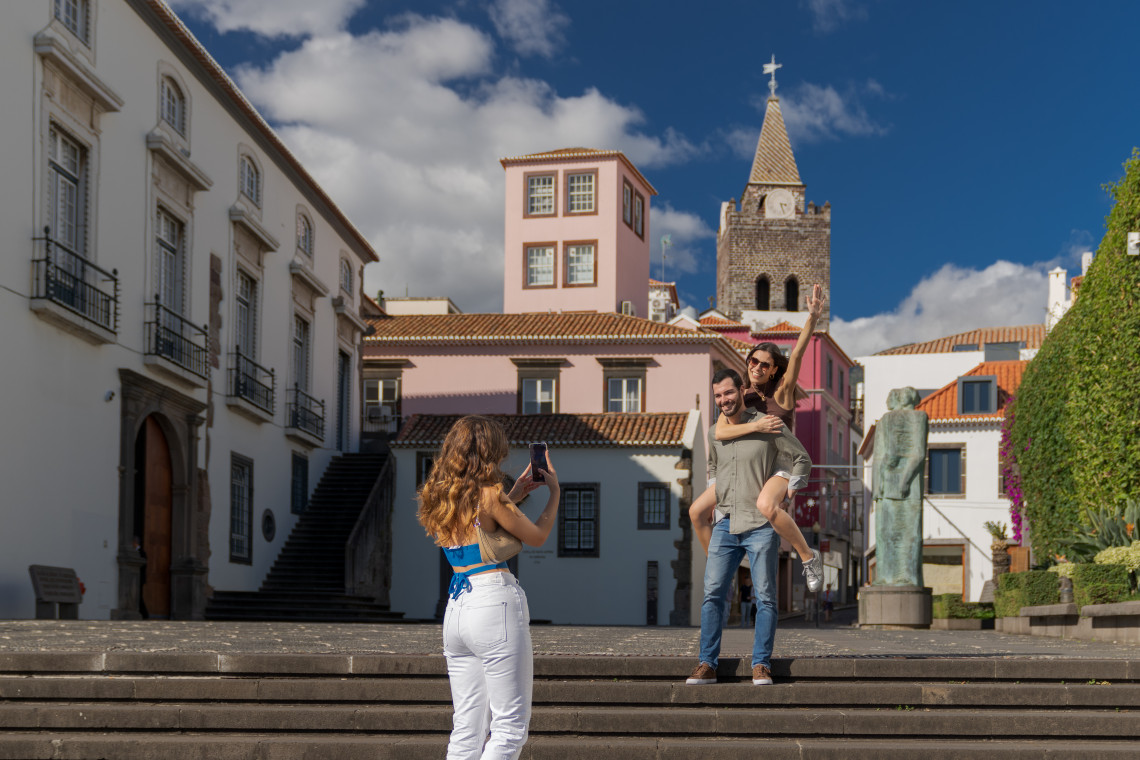
In the 15th and 16th centuries Madeira grew rich on sugarcane, so valuable at the time that it was known as white gold. The trade funded fine churches and manor houses and connected the island to merchants across Europe. When sugar production later shifted to Brazil and beyond, Madeira turned to another product that would carry its name around the world.
Madeira wine
Fortified Madeira wine became the island's signature export and remains central to its culture. Prized for its long life and distinctive taste, produced by ageing the wine with heat, it was famously drunk to toast historic occasions abroad. A visit to a Funchal wine lodge, with a tasting across the dry-to-sweet styles, is one of the best ways to taste that history. See our Madeira food guide for more.
Culture, crafts and traditions
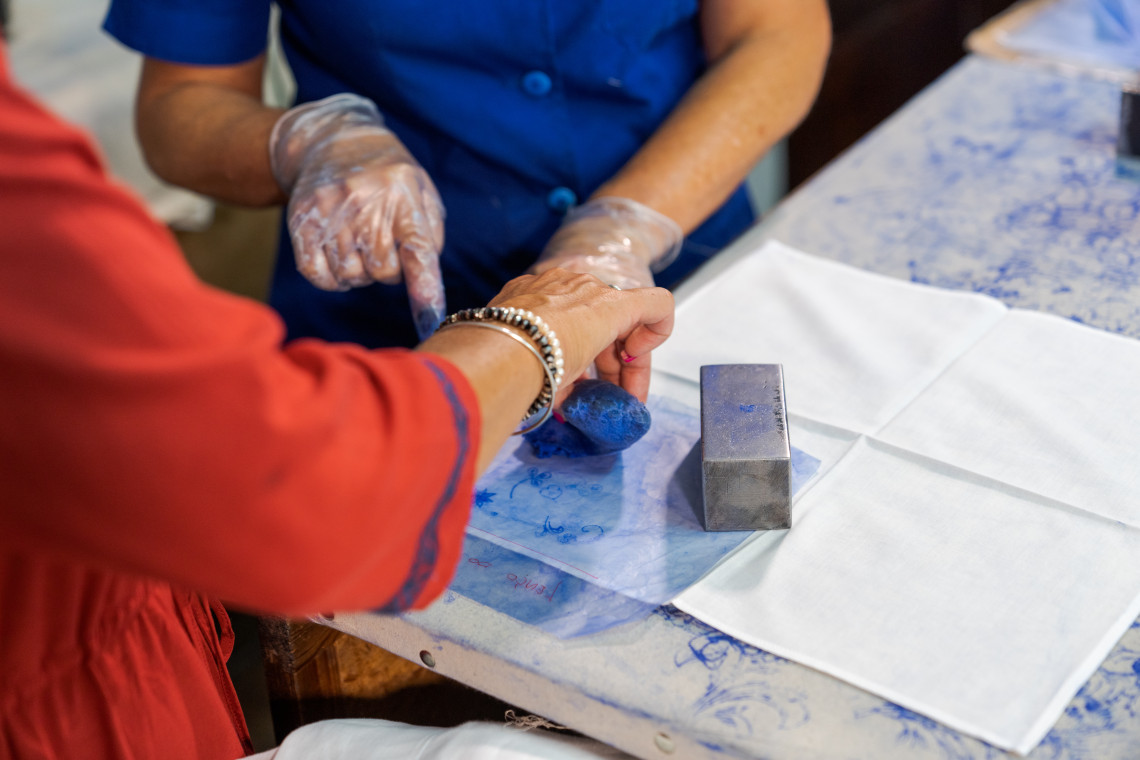
Madeiran culture is Portuguese at its roots, shaped by centuries of trade and island life. Two crafts stand out: the delicate hand embroidery (bordado Madeira) that has been made here since the 19th century, and the wickerwork centred on the village of Camacha. You will also see the island's heritage in its tilework, churches and the traditional thatched A-frame houses of Santana.
Festivals and celebrations
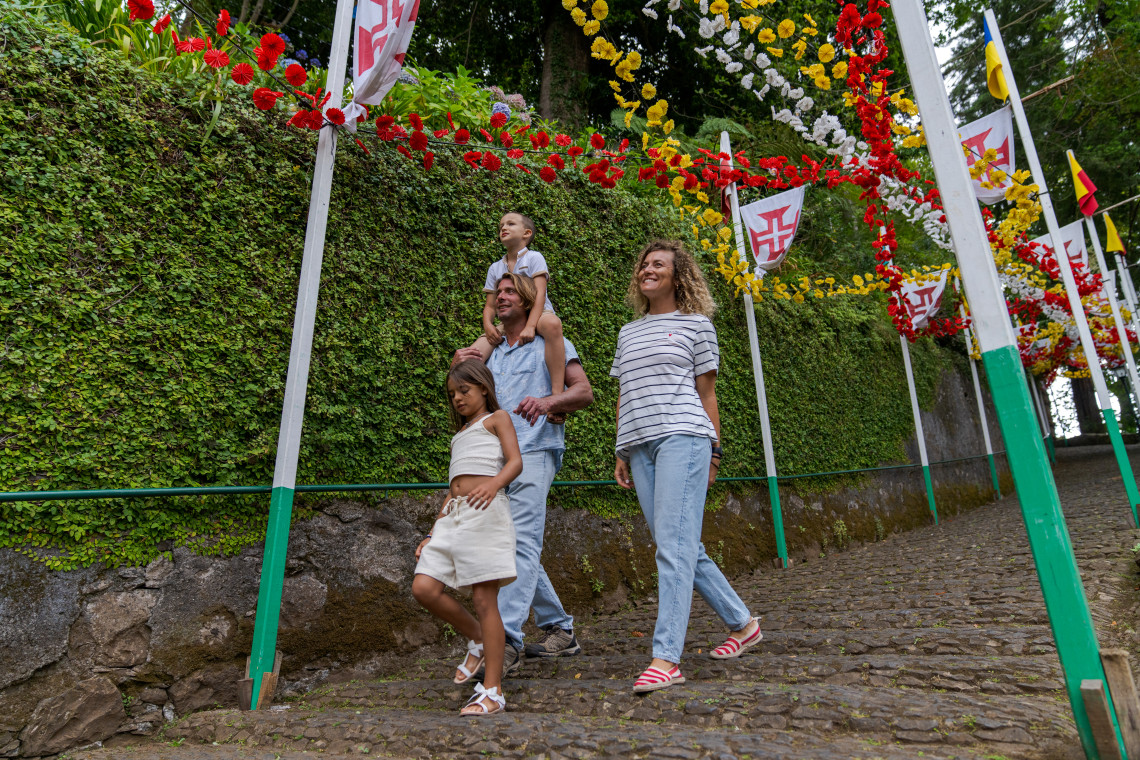
The island's calendar is full of colour. The Flower Festival (Festa da Flor) in spring fills Funchal with floral displays and parades, Carnival brings samba and costumes, and the Wine Festival in autumn celebrates the grape harvest. The best known of all is Funchal's New Year's Eve fireworks display, one of the largest in the world, which once held a Guinness World Record.
The Madeiran way of life
Life on Madeira tends to be relaxed and welcoming, centred on family, food and the outdoors. The mild climate means life is lived outside much of the year, from morning markets to long lunches and evening strolls along the seafront. It is a big part of why so many visitors find the island easy to fall for.
Frequently asked questions about Madeira's history and culture
When was Madeira discovered? Madeira was reached by Portuguese navigators in 1419, a year after nearby Porto Santo. Settlement began in the 1420s.
Did anyone live on Madeira before the Portuguese? No. The island was uninhabited when the Portuguese arrived in 1419, covered in dense laurel forest, which is how it got its name (madeira means wood).
How was Madeira formed? Madeira is a volcanic island, built up over millions of years by eruptions from the Atlantic seabed, which is why it is so steep and mountainous.
What is Madeira known for? Its Madeira wine, the UNESCO laurel forest and levada trails, dramatic volcanic scenery, embroidery and wickerwork crafts, and Funchal's spectacular New Year's Eve fireworks. It is also the birthplace of footballer Cristiano Ronaldo.
What is Madeira's culture like? Portuguese at its roots, shaped by the sugar and wine trades, and expressed today through crafts like embroidery and wickerwork, traditional houses, and festivals such as the Flower Festival and Carnival.
Ready to Experience Madeira?
Portugal Getaways plans your Madeira trip with local experts: hand-picked hotels, tours and transfers, with all-in pricing and no surprises.